By Michelle Maloney, Broker/Owner, Maloney Real Estate · SD License #14315
Start with the repairs that can derail a sale
Before you spend money on new counters or trendy finishes, look for the defects that make a buyer pause. In Yankton, that usually means water, safety, structure, mechanical systems, and anything a lender or inspector may flag. A buyer can live with an older cabinet color. They have a harder time ignoring an active leak under the sink, a furnace that has not been serviced, loose handrails, stained ceiling drywall, or peeling exterior paint.
If you’re getting ready to list, start with the practical items first:
- Active roof leaks or ceiling stains.
- Plumbing leaks under sinks, around toilets, or near the water heater.
- HVAC problems, especially if the furnace or air conditioner struggles during South Dakota weather swings.
- Electrical safety items such as missing covers, loose outlets, or obvious amateur work.
- Trip hazards, loose steps, wobbly railings, and broken exterior doors.
- Peeling paint, damaged trim, cracked windows, and signs of neglect.
Those repairs matter because they affect buyer confidence. They also affect the next round of negotiation. A buyer who sees small repairs ignored starts wondering what else has been ignored. That can show up as a lower offer, a longer inspection list, or a request for credits after you’re already under contract.
This is where a good pre-listing walk-through helps. Use your Yankton seller guide as the big-picture framework, then make a repair list that separates must-fix items from cosmetic wish-list items. The must-fix list should protect price, timing, and the buyer’s ability to move forward after inspection. The wish-list items should only stay if they help the home show better without eating up your net proceeds.
Which small updates usually help buyers say yes?
Small updates work best when they make the home feel clean, cared for, and easy to move into. They do not have to make the home look brand new. Most Yankton buyers can understand an older home near downtown, a ranch in an established area, or a Lewis & Clark Lake area property with some dated finishes. What they do not want is a long list of repairs before they can unpack.
Fresh paint is often one of the cleanest examples. If a room has scuffed walls, dark color choices, patched holes, or smoke staining, paint can change the first impression fast. Keep the color neutral and light. The goal is not personality. The goal is to let buyers see the room, the window light, and the floor plan without getting stuck on the wall color.
Flooring is similar. You do not always need new flooring throughout the house. You do need to address torn carpet, pet damage, loose transitions, cracked tile, or obvious stains. If the rest of the home is clean, one bad flooring area can make the whole property feel less maintained.
Fixtures can also be worth the money when they are broken or badly dated. A leaking faucet, missing cabinet pull, cracked switch plate, loose doorknob, or yellowed light cover sends the wrong message. These are not luxury updates. They are maintenance signals.
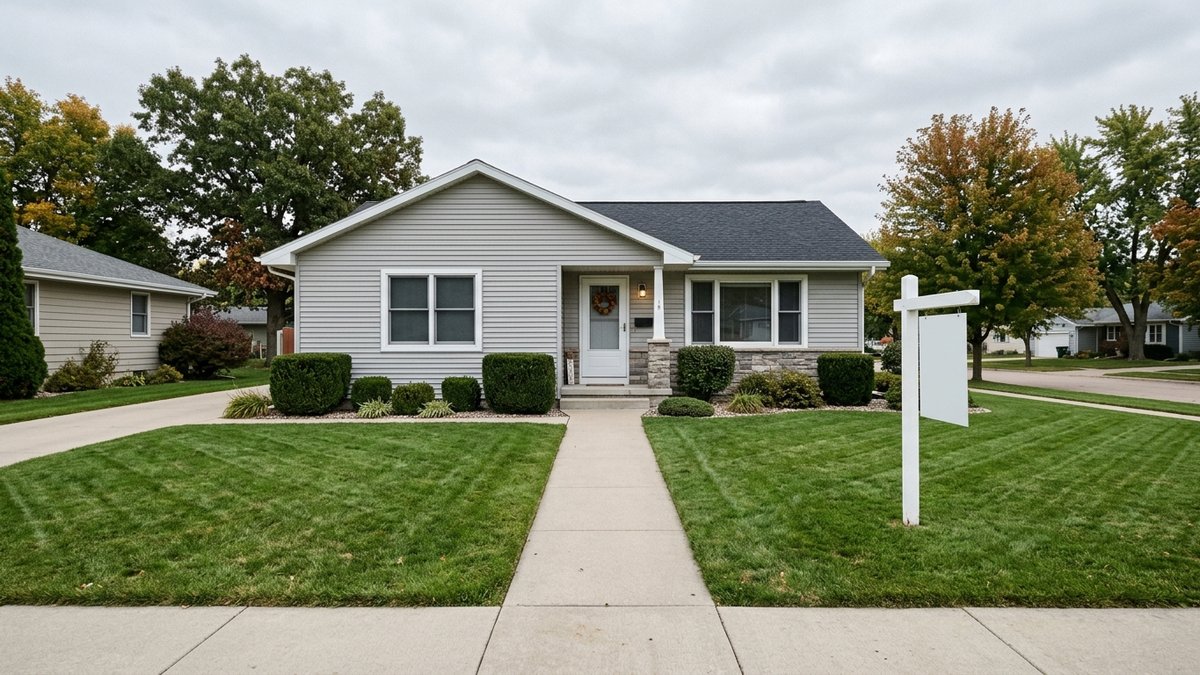
Curb appeal matters because it sets the tone before the showing starts. In Yankton, that may mean trimming overgrown shrubs, cleaning up along the driveway, touching up exterior paint, fixing a loose storm door, power washing siding, and making the front entry feel orderly. For rural properties around Mission Hill, Tabor, Gayville, or Crofton, buyers also notice lane condition, outbuilding doors, fencing, and how clearly the property has been maintained.
If you’re comparing prep items against your likely sale price, connect the repair list to your Yankton home value estimate. A $500 repair decision feels different on an entry-level home than it does on a lake-area property near Lewis & Clark Lake. The question is not whether the update is nice. The question is whether it helps the right buyer feel comfortable writing a strong offer.
Why full remodels often do not pay back before listing
A full remodel is where sellers can get into trouble. Kitchen and bath remodels are expensive, personal, and easy to overbuild for the buyer pool. You may love a certain cabinet style, tile pattern, or appliance package. The next buyer may not. If you spend heavily before listing, you need the market to pay you back quickly, and that does not always happen.
The 2024 Cost vs. Value report is the national remodeling reference agents often use for this conversation. Its broader takeaway is consistent: smaller, visible projects tend to recover a stronger share of their cost than large upscale remodels. That does not mean every minor project is profitable. It means you should be careful before spending seller dollars on a major renovation right before going live.
In practical terms, you are usually better off making the home feel finished than making it feel newly designed. Repair cabinet doors that do not close. Replace a broken garbage disposal. Re-caulk a tub surround. Fix loose trim. Clean the range, hood, and refrigerator. Replace burned-out bulbs. Make the home smell clean. Those details support your asking price because they reduce friction for the buyer.
There are exceptions. If a kitchen has water damage, missing flooring, unsafe electrical work, or a layout problem that makes the home difficult to finance or insure, you may need a larger plan. But that is different from remodeling because the style feels dated. Dated is a pricing conversation. Defective is a repair conversation.
For many sellers, the better move is to price honestly, disclose known issues properly, and reserve cash for items that may come up during inspection. If a project affects contracts, disclosures, title, estate matters, or tax questions, talk with the right professional. Your agent can help with market strategy, but an attorney, CPA, lender, or title company should answer questions inside their lane.
How should you decide what to skip?
Skip the updates that are mostly taste. That includes expensive countertops when the existing counters are clean and functional, new luxury flooring when the current flooring is acceptable, and full bath remodels when a deep clean, new caulk, and a working fan would solve the buyer concern. You are selling the house, not trying to design it for yourself one last time.
You can also skip projects that create delays without changing the buyer’s decision. If a contractor cannot start for several weeks, the delay may cost more than the improvement helps. This matters in the Yankton area because seasonal timing can affect photos, showings, exterior work, and moving plans. A spring seller may not want to miss the strongest listing window for a project that only changes the look, not the function.
Use this filter before approving any repair:
- Will this issue show up in photos or at the first showing?
- Could this issue scare a buyer, inspector, lender, or insurer?
- Does this repair protect the contract after acceptance?
- Will the buyer notice and value it, or is it mostly my personal preference?
- Can the work be done cleanly before photos and showings?
If the answer is no, pause before spending. A price adjustment can be smarter than a rushed update. This is especially true for homes that will attract investors, first-time buyers comfortable with sweat equity, or buyers looking for acreage and utility more than polished finishes.
Your net also matters. A repair that helps the home sell is still a cost. Before you approve a bigger project, look at your estimated payoff, commissions, title costs, repairs, and moving expenses. A Yankton seller net sheet helps you see whether the project supports your bottom line or just makes the house look a little nicer.
What does this look like in Yankton and southeast South Dakota?
Yankton has a wide mix of homes, so the right repair plan depends on the property. Zillow’s Yankton agent directory showed 117 real estate agents in its local directory when this brief was prepared, and it also showed agent sale-price ranges from about $70,000 to $803,000 on individual local profiles. That range is a reminder that buyers are seeing very different homes in the same market. A repair plan for a smaller starter home will not look like a repair plan for a lake-area property.
For an older in-town home, focus on basics first: roof condition, gutters, basement moisture, electrical safety, heating and cooling, windows that open and lock, and clean paint lines. Buyers looking at established neighborhoods often expect some age. They still want signs that the home has been cared for.
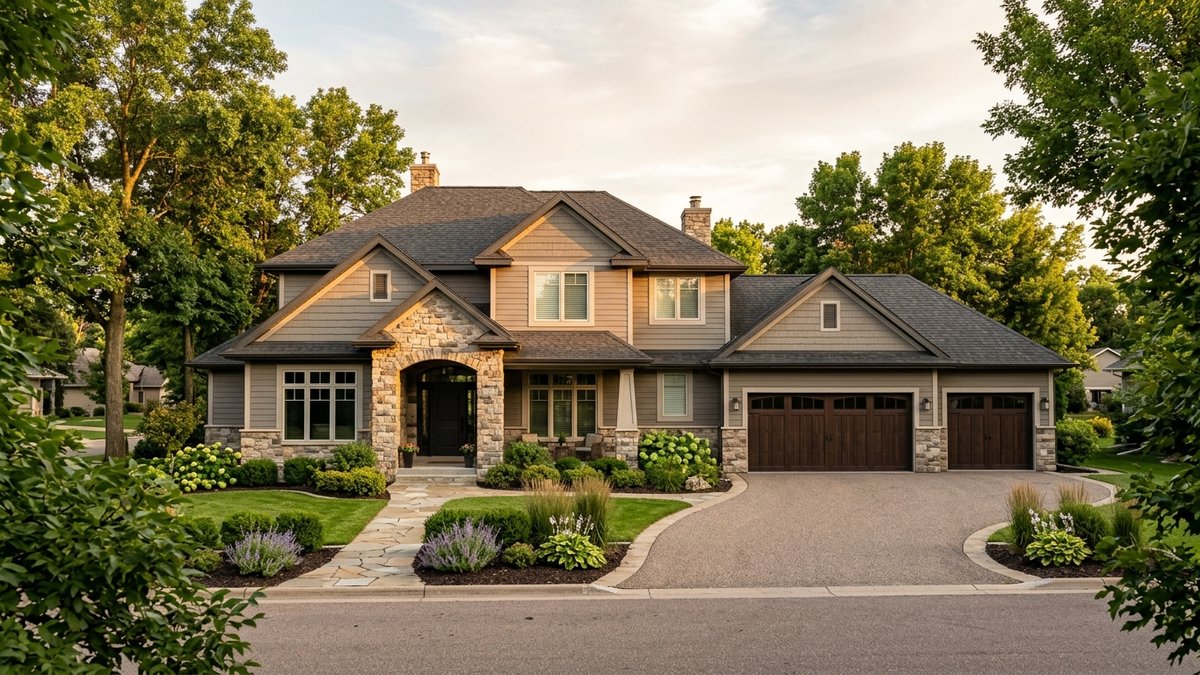
For a Lewis & Clark Lake area home, exterior maintenance can matter more because buyers are thinking about weather exposure, decks, retaining walls, driveways, water management, and how the property handles seasonal use. You do not need to promise a perfect lake lifestyle. You do need to make the condition clear and the maintenance story credible.
For acreages and homes around nearby communities like Crofton, Tabor, Mission Hill, Tyndall, Hartington, and Gayville, buyers may look closely at outbuildings, septic information, wells, fencing, lane access, and utility areas. Do not hide those questions. Gather records where you have them, clean up what you can, and be ready to discuss what has and has not been updated.
If your home is near a recognizable area or community feature, use that context without overselling it. Link buyers to the Yankton neighborhoods overview or nearby community information when it helps them understand location. Then let condition, pricing, and presentation do the work.
Frequently Asked Questions
Should I get a pre-listing inspection before selling in Yankton?
A pre-listing inspection can help if your home is older, has known maintenance concerns, or you want fewer surprises after accepting an offer. It is not required for every seller. If you do one, use the report to make practical repairs and discuss disclosure questions with the right professional.
Is it better to sell my Yankton home as-is?
Selling as-is can make sense if the home needs major work, the target buyer is likely an investor, or you do not want to manage repairs before listing. It can also reduce your buyer pool or affect offers. The decision depends on condition, price, timing, and how clearly the home is presented.
Should I remodel my kitchen before listing?
Most sellers should be careful with a full kitchen remodel right before listing. Repair what is broken, clean deeply, update small worn items, and price the home honestly if the kitchen is dated. A major remodel can cost more than buyers are willing to pay back at resale.
Seller Guides
Sell Your Yankton Home
The seller service page for pricing, prep, marketing, and agent help.
Open guideSeller Guides
Yankton Seller Guide
The full education hub for selling in the local market.
Open guideSeller Guides
Home Value Review
Request a local CMA before relying on a broad online estimate.
Open guide
About the Author
Michelle Maloney is the Broker/Owner of Maloney Real Estate in Yankton, South Dakota. She helps buyers and sellers understand the local market, compare their options, and make confident real estate decisions across Yankton and southeast South Dakota.
Sources
2024 Cost vs. Value report, Zillow Yankton agent directory, List With Clever home repairs before selling.
Questions About the Yankton Market?
Ask Michelle's team about pricing, neighborhoods, timing, or your next move. No pitch, no pressure.