By Michelle Maloney, Broker/Owner, Maloney Real Estate · SD License #14315
What does $300,000 actually buy in Yankton?
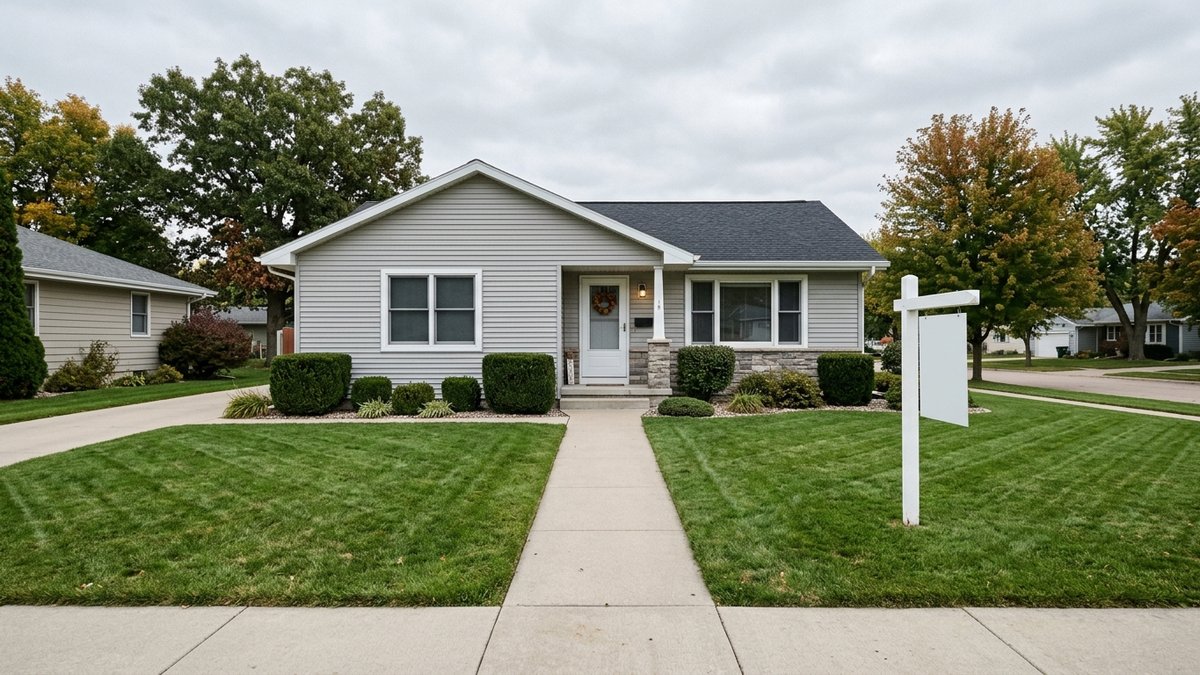
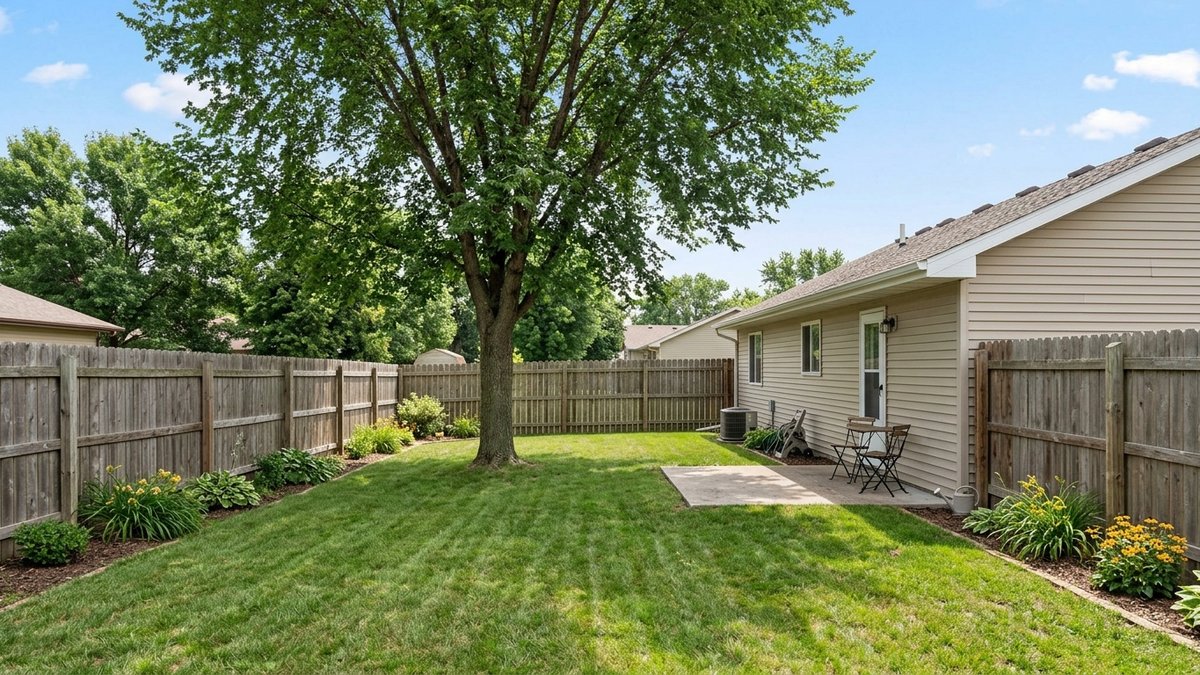
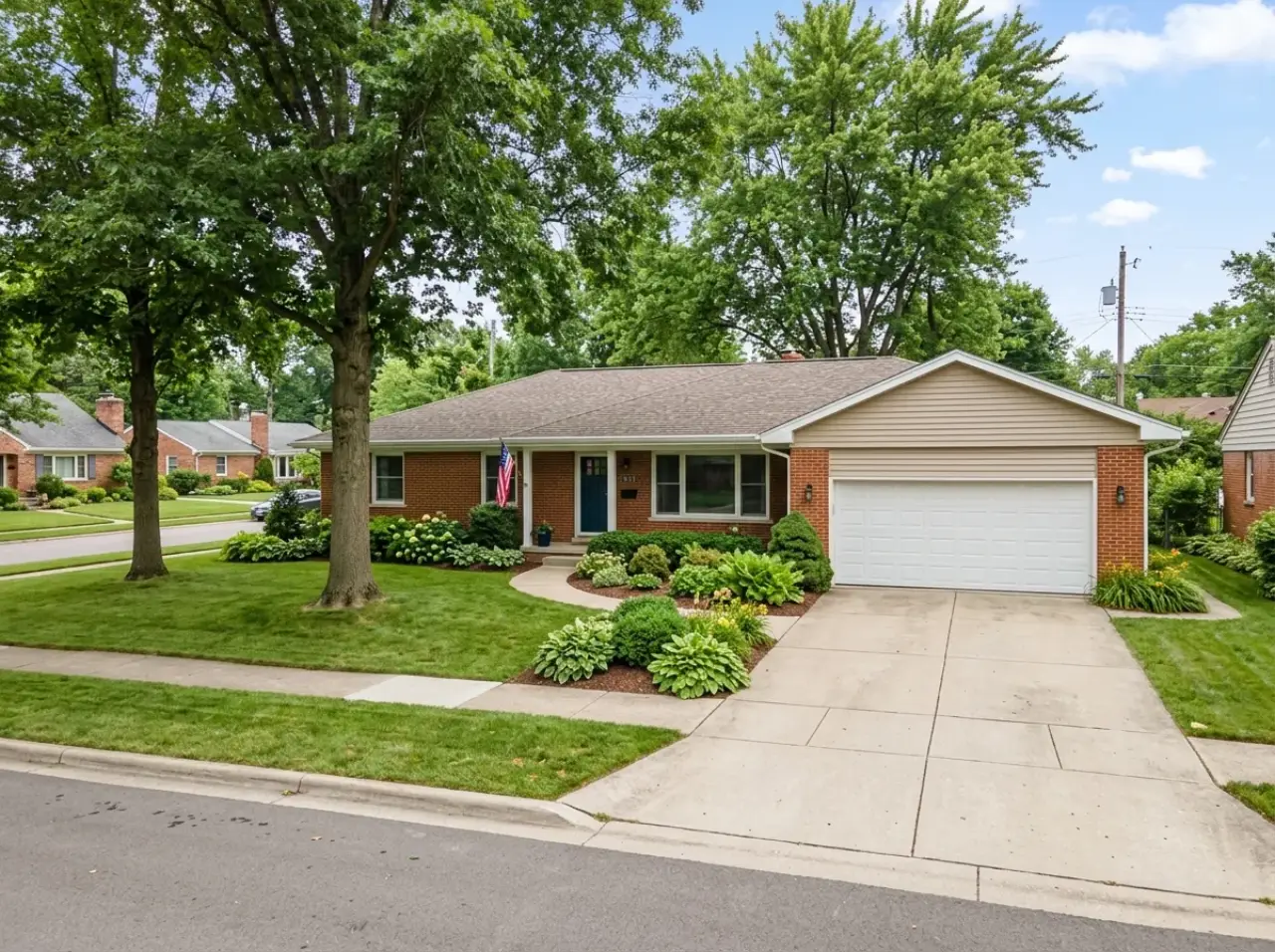
A 3-bed, 2-bath ranch or two-story between 2,000 and 2,500 square feet at $120 to $150 per square foot per Redfin January 2026 data. Real examples: 606 Sawgrass St is a 2014 two-story townhome at 1,242 square feet listed at $259,000 per Zillow. 2801 Fox Run Parkway is a 2,000 square foot single-family home that sold for $245,000 in February 2026 per Trulia. A new Garden Estates finished build (lot $36,500 to $50,000 per the City of Yankton plus construction of roughly $250,000) lands at $290,000 to $300,000 slab-ready. Two-car garage included, HOA $100 a year for snow and lawn.
What does $300,000 buy in Minneapolis?
About 1,200 square feet. In 2026 that is typically a 2-bedroom condo downtown or a small 1950s starter bungalow in a working-class neighborhood per Zillow Minneapolis market data. Downtown condos come with $300 to $500 monthly HOA fees on top of the mortgage per the Minneapolis Area Association of Realtors. Commute to downtown jobs averages 25 minutes with traffic, longer on snow days. Twin Cities metro median single-family price is $385,000 per Redfin January 2026, so a $300,000 budget means you are buying in below-median neighborhoods or accepting condo living in exchange for a walkable location.
What does $300,000 buy in Omaha?
In Omaha, $300,000 gets you about a 1,600 square foot 3-bedroom split-level in a 1980s suburb like Millard or Papillion per Realtor.com Omaha market data. Newer construction tops out around $375,000 for a similar floor plan. Commute from those suburbs to downtown Omaha averages 25 minutes per Realtor.com. Nebraska has a 6.64 percent state income tax per the Nebraska Department of Revenue, which on a $150,000 household income is about $9,960 a year off the top. That is the Yankton tax advantage showing up even after the initial purchase.
The Minneapolis condo math
This is the comparison that usually closes the deal for Twin Cities buyers. Your $300,000 Minneapolis condo has a $1,650 mortgage at current rates plus a $400 HOA plus property tax of about $3,800 a year per the Minneapolis Area Association of Realtors. All-in monthly housing cost is about $2,400 before utilities. Your $300,000 Yankton house has a $1,650 mortgage plus zero HOA in most neighborhoods (Garden Estates charges $100 a year, not monthly) plus property tax of $3,660 per the City of Yankton. All-in monthly: about $1,950. That is $450 a month, or $5,400 a year, just in housing costs. Over a 10-year mortgage run that is $54,000 back, plus you own 800 more square feet and a yard.
What does $300,000 buy in Sioux Falls?
An 1,800 square foot 3-bedroom 1970s ranch on the south side of Sioux Falls per Redfin January 2026 data. Newer construction in the Harrisburg or Tea suburbs runs $380,000 to $425,000 for similar square footage. Sioux Falls median home price is $352,000 per Redfin, so $300,000 means you are below median in a city where most of the newer inventory is in newer neighborhoods you cannot afford at that price point. Commute to downtown Sioux Falls averages 19 minutes per Realtor.com. Same state, same zero income tax, about 25 percent smaller house than the Yankton equivalent.
Which Yankton neighborhoods actually work at $300,000?
Fox Run on the west side, median single-family around $245,000 per Realtor.com, best value for newer construction and golf course proximity. Sawgrass east of downtown, median around $260,000 per Realtor.com, townhomes and single-family mix, short drive to Beadle Elementary. Garden Estates new builds on the west side at $290,000 to $300,000 finished per the City of Yankton. Roosevelt in central Yankton for a renovated 1960s ranch near downtown, around $243,000 per Realtor.com. Silver Valley if you want to come in under $200,000 and put the savings toward the kitchen, median around $187,000 per Realtor.com. The full neighborhoods guide has boundary maps and school assignments.
Can I actually live near the lake at $300,000?
Not on the waterfront. Marina Dell waterfront starts at $449,000 per Realtor.com and Sundance Ridge lake-view estates start around $691,000. But you can live 10 to 15 minutes from the Lewis and Clark Lake marina in any of the west-side Yankton neighborhoods I listed above, which is closer to the lake than most Minnesota cabin owners drive each weekend. The honest answer: $300,000 does not buy you a dock in Yankton. It buys you a house where a dock is a 10-minute drive away, all year, not just in summer.
The tax angle that compounds
Zero state income tax is the Yankton feature that stacks on top of every other advantage. If you are a $150,000 household moving from Minneapolis, you save about $11,000 a year in Minnesota state income tax per the Minnesota Department of Revenue. From Omaha you save about $9,960 in Nebraska state tax per the Nebraska Department of Revenue. From Iowa you save about $5,700 per the Iowa Department of Revenue 2026 rates. Over 10 years that is $57,000 to $110,000 extra in your account, compounding if you invest it. Add the $54,000 housing-cost difference against Minneapolis above and you are looking at a $111,000 to $164,000 real advantage over a 10-year period for the same standard of living.
What are the tradeoffs at $300,000 in Yankton?
The honest list. You get fewer restaurant options, about 15 downtown against 200-plus in Minneapolis per TravelSD and the Minneapolis Downtown Council. You get no professional sports within 200 miles. You get one Target and no Trader Joe's. You get one regional airport in Sioux Falls, 60 minutes away. You get fewer job options if you need to change employers fast. But the tradeoff math is clean: a 20 percent reduction in daily conveniences in exchange for an 800 square foot larger house, a yard, a lake, a top-5-percent graduation rate, and zero state income tax. For most of the buyers I work with, that math works.
Who actually makes this move
In the last 18 months I have worked with Minnesota buyers from Minneapolis, Rochester, Bloomington, and the Iron Range. I have worked with Omaha and Council Bluffs buyers. I have worked with Denver buyers who got priced out and looked 500 miles east. The pattern is almost always the same: a family in their 30s or 40s runs the numbers, visits on a weekend, realizes what $300,000 actually buys here, and comes back with an offer within 60 days. The pattern is not only that, though. I have also worked with retirees who wanted lake access, remote workers who did not care where they lived as long as the internet was good, and Sioux Falls spillover buyers tired of I-229 traffic. What they share is the willingness to run the actual math instead of trusting a national headline about either city.
Next steps
If $300,000 is your budget and you are serious, three steps. First, use the neighborhoods guide to shortlist two or three areas that match your commute and school needs. Second, tour at least three homes in person across different price points ($250,000, $280,000, and $300,000) so you can feel the spread that the median price number hides. Third, read the buyer guide for offer strategy and financing, because in Yankton's 81-day market, smart offers still close faster than dragged-out ones. Then let us talk.
Buyer Guides
Buy a Home in Yankton
The buyer service page for search help, offer strategy, and local guidance.
Open guideBuyer Guides
Yankton Buyer Guide
Step-by-step education for financing, inspections, offers, and closing.
Open guideBuyer Guides
Homes for Sale
Current inventory plus local search context by property type and area.
Open guide
About the Author
Michelle Maloney is the Broker/Owner of Maloney Real Estate in Yankton, South Dakota. She helps buyers and sellers understand the local market, compare their options, and make confident real estate decisions across Yankton and southeast South Dakota.
Sources
Redfin Yankton Housing Market, Redfin Minneapolis Housing Market, Redfin Sioux Falls Housing Market, Realtor.com Yankton County Market, Realtor.com Omaha Market, Zillow Minneapolis Home Values, Zillow 606 Sawgrass St Yankton, City of Yankton Garden Estates, Minnesota Department of Revenue, Nebraska Department of Revenue, Iowa Department of Revenue, South Dakota Department of Revenue.
Questions About the Yankton Market?
Ask Michelle's team about pricing, neighborhoods, timing, or your next move. No pitch, no pressure.