By Michelle Maloney, Broker/Owner, Maloney Real Estate · SD License #14315
How are Yankton County property taxes calculated?
Your property tax bill starts with value, not with the price you paid at closing. The South Dakota Department of Revenue says real property is first assessed at full and true value, which means market value. Then it is equalized to 85 percent for property tax purposes. The Department gives this example: a home with a full and true value of $230,000 has a taxable value of $195,500 after the 85 percent equalization factor is applied.
After that, the taxable value is multiplied by the levies for every taxing district tied to that parcel. The state describes those rates as dollars per thousand of taxable value. If the levy is $10 per thousand and the taxable value is $200,000, the tax is $2,000. That is the clean version. The real bill can include county, city, school, township, rural fire, road district, water development, and special assessment pieces.
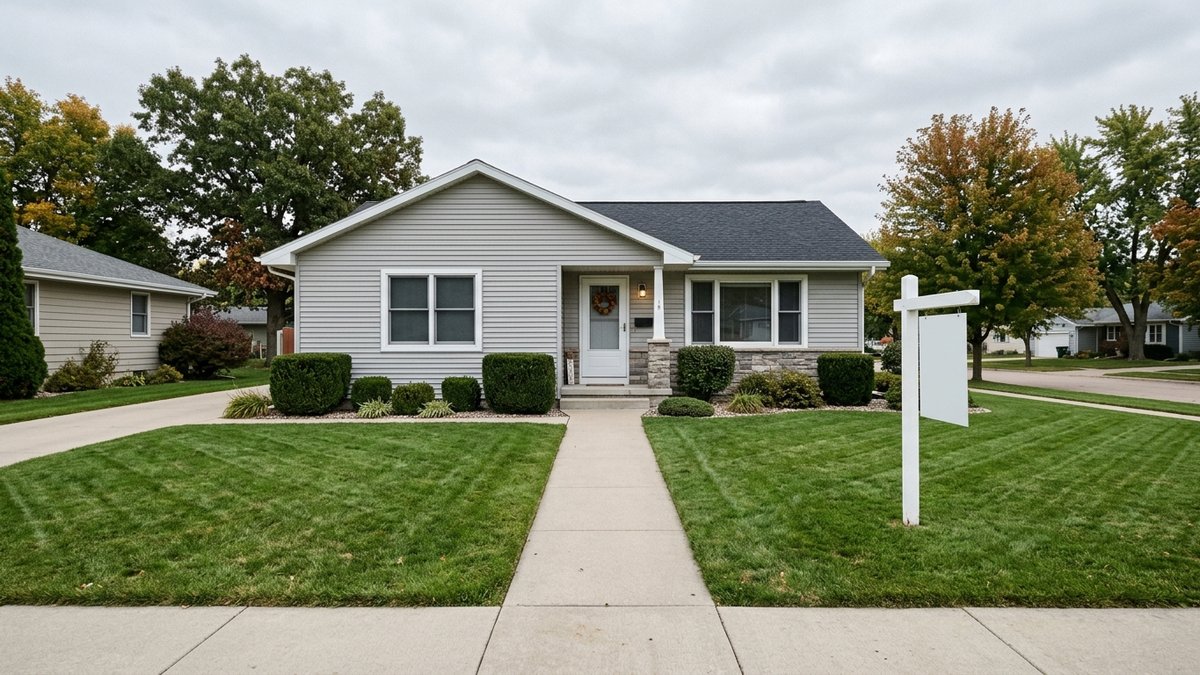
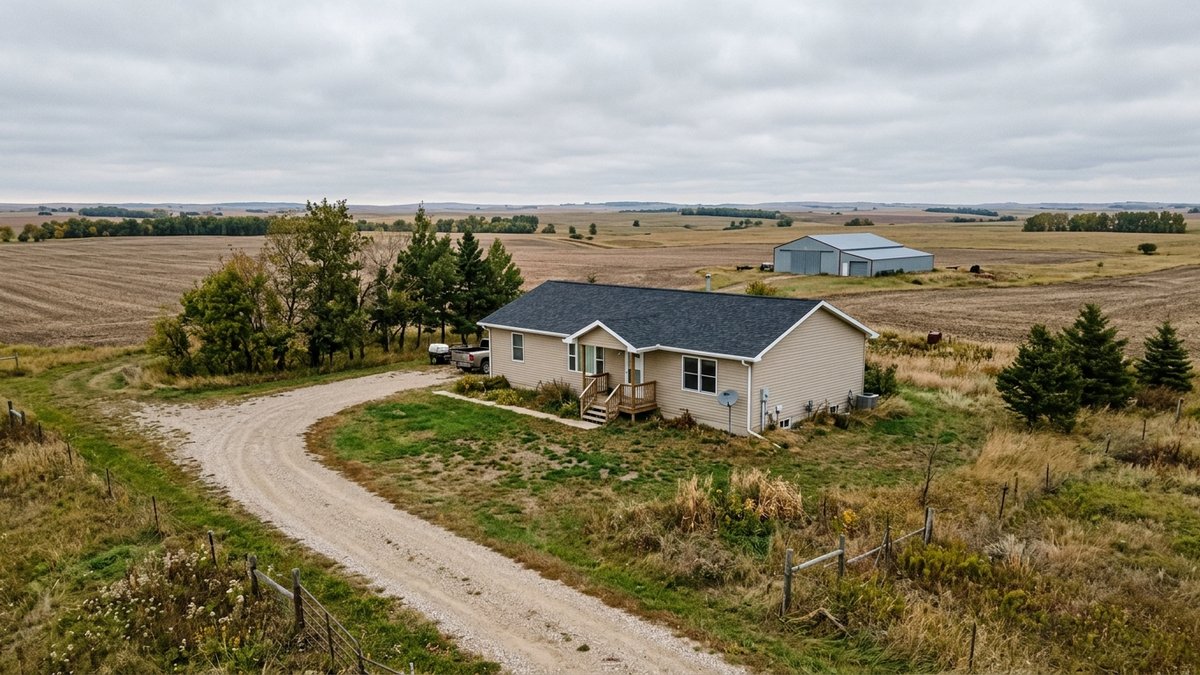
That is why two homes with similar prices can carry different tax bills in Yankton County. A home inside the City of Yankton is not billed the same way as a lake-area home near Lewis & Clark Lake. A property in Marina Dell or Sundance Ridge may have a road or paving district that does not apply to a home near downtown Yankton. If you are comparing options across town, start with the parcel tax history, not a rough percentage.
When you are shopping homes for sale in Yankton, ask for the current tax amount and the assessed value on the parcel. If the home has changed ownership, been remodeled, or had land split off, do not assume last year’s tax bill tells the full story. It is a useful starting point, not a final answer.
What local levies show up around Yankton?
For city properties, the City of Yankton 2025 recap in the South Dakota Property Tax Portal lists a General levy of 2.571 dollars per thousand and a General Opt-Out levy of 0.779 dollars per thousand. Together, those two city lines total 3.350 dollars per thousand. The same 2025 city recap lists City of Yankton taxable valuation at $1,355,497,429 for those city levy lines.
For school taxes, the South Dakota Property Tax Portal’s 2025 school recap lists owner-occupied Yankton School District levy lines of 2.453 for Capital Outlay, 2.679 for General, 0.685 for General Opt-Out, and 1.488 for Special Education. Those owner-occupied school lines total 7.305 dollars per thousand. The school recap labels the school tax year as 2024 within the 2025 file, so I would treat that as the most recent portal data to verify against the county tax bill for a specific parcel.
That school number matters because owner-occupied status changes the school general levy category. The South Dakota Department of Revenue says a recent home buyer may qualify for a reduced property tax rate if the buyer applies for owner-occupied status with the County Director of Equalization by March 15. Eligible property types include a house, condominium, townhouse, duplex, triplex, fourplex, and manufactured or mobile home.
Do not confuse a levy table with your total tax bill. The levy table helps you understand the pieces. Your actual bill is parcel-specific. If you are moving from Omaha, Sioux City, Rochester, or the Twin Cities, this is the step that keeps your monthly housing budget honest. For a broader budget view, compare property taxes with insurance, utilities, and payment estimates in the Yankton cost of living guide and the mortgage payment calculator.
What does owner-occupied status change?
Owner-occupied status is one of the first tax details to check after you buy a primary residence in South Dakota. It does not mean your whole tax bill disappears. It means the home may qualify for the owner-occupied property classification, which can lower the school general fund rate compared with other property classes.
The deadline matters. The South Dakota Department of Revenue says the owner-occupied form should be sent to the County Director of Equalization by March 15. If you buy a Yankton home in February, you should ask about that form right away. If you buy later in the year, ask the county how the timing applies to your situation and what will show on the next tax bill.
Here is the practical buyer checklist I walk through before closing:
- Confirm the current tax amount on the parcel.
- Confirm whether the current bill reflects owner-occupied status.
- Ask whether the sale price could affect the next assessment cycle.
- Ask whether any special assessments, TIF areas, road districts, or paving districts apply.
- Put the owner-occupied form deadline on your calendar if this will be your primary residence.
This is especially important around lake property and edge-of-town subdivisions. A home near Lewis & Clark Lake may have a very different levy mix than a house close to 15th Street or Broadway Avenue. If you are comparing Yankton neighborhoods, taxes should be part of the side-by-side comparison with condition, location, acreage, and repair needs.
Which South Dakota property tax relief programs should homeowners know?
South Dakota has several property tax relief programs, but the names can be misleading if you are used to another state. The biggest point: the Property Tax Homestead Exemption is not the same thing as a broad homestead value reduction for every owner-occupied home. The South Dakota Department of Revenue says that program delays payment of property taxes until the property is sold. The DOR lists age 70 or surviving spouse status, plus income and residency requirements, as eligibility factors.
The Assessment Freeze for the Elderly and Disabled is different. The DOR’s March 16, 2026 notice says the program prevents a qualifying homeowner’s assessment from increasing for tax purposes. For 2026, the DOR listed income limits of less than $56,595 for a single-member household and less than $66,885 for a multiple-member household, along with a $514,500 full and true value limit. The application deadline is April 1.
There is also a Tax Refund Program for senior citizens and citizens with disabilities. The DOR’s May 1, 2026 notice says applicants have until July 1, 2026 to apply for a refund tied to the prior year, with 2025 income limits of $17,215 for a person living alone or $23,265 for a household. That is a refund program, not a lower assessment on the tax bill itself.
For qualifying disabled veterans, the DOR relief page says South Dakota exempts up to $200,000 of assessed value when the property is owned and occupied by a disabled veteran or an unremarried surviving spouse and the veteran was rated permanently and totally disabled because of a service-connected disability. Applications for that program go to the local county assessor’s office by November 1.
These programs have rules that change by status, income, ownership, residency, and deadline. Call the Yankton County Treasurer or Director of Equalization before you count on relief in your monthly budget.
How should you estimate taxes before buying in Yankton County?
Start with the current tax bill, then ask what could change. Redfin’s March 2026 Yankton County market data reported a median sale price of $247,413. Zillow’s March 31, 2026 data reported a typical Yankton County home value of $274,934. Those numbers are useful for market context, but they are not a tax estimate for a specific property. Your tax bill follows the parcel assessment and levy mix.
If you want a rough planning number, use the county tax record first. Then have your lender build taxes into the monthly payment estimate. That matters when you are deciding between a lower-priced fixer, a newer home with fewer repairs, or a lake-area property with extra district costs.
For sellers, taxes also affect buyer comfort. A buyer may love your home and still pause if the tax bill looks higher than expected. Before you list, pull the current tax record and be ready to explain whether it reflects owner-occupied status, special assessments, or recent improvements. That helps avoid a surprise after the buyer’s lender starts underwriting. If you are planning to list, pair the tax review with a pricing conversation through the Yankton home value estimate page or the seller net sheet.
The best next step is simple: verify the parcel. Pull the tax bill, check the assessed value, identify the taxing districts, and confirm any relief program or owner-occupied deadline directly with the county. Once you know those pieces, the property tax conversation gets much clearer. You are looking at the home you may actually own.
Frequently Asked Questions
Are Yankton County property taxes based on the purchase price?
Not directly. South Dakota starts with full and true value, then equalizes property to 85 percent for tax purposes before local levies are applied. A sale can be relevant to market value, but your tax bill follows the county assessment and the levies for that parcel.
How do I apply for owner-occupied status in Yankton County?
The South Dakota Department of Revenue says the owner-occupied form should be sent to the County Director of Equalization by March 15. If you recently purchased a primary residence, contact Yankton County to confirm the form, deadline, and how it applies to your parcel.
Does South Dakota have a homestead exemption for every homeowner?
No. South Dakota's Property Tax Homestead Exemption is a relief program that delays payment of property taxes until the property is sold, and it has age, income, and residency requirements. Owner-occupied status is the broader item most primary-residence buyers need to ask about after closing.
Why can two Yankton homes have different tax bills?
Two homes can sit in different taxing districts even if they are close in price. City limits, school district lines, township levies, rural fire districts, road districts, paving districts, and special assessments can all affect the final bill.
Who should I call about a specific Yankton County tax bill?
For assessed value questions, contact the Yankton County Director of Equalization. For a tax bill or payment question, contact the Yankton County Treasurer. For legal, tax, or estate planning questions, talk with a qualified attorney or CPA.
Market Reports
Yankton Real Estate Guide
Broad market context, neighborhoods, property types, and next-step paths.
Open guideMarket Reports
Homes for Sale
Use market context alongside live inventory.
Open guideMarket Reports
Cost of Living
Compare housing, taxes, and everyday costs in Yankton.
Open guide
About the Author
Michelle Maloney is the Broker/Owner of Maloney Real Estate in Yankton, South Dakota. She helps buyers and sellers understand the local market, compare their options, and make confident real estate decisions across Yankton and southeast South Dakota.
Sources
South Dakota Department of Revenue Property Tax, South Dakota Department of Revenue Relief Programs, South Dakota Property Tax Portal City Town Recap 2025, South Dakota Property Tax Portal School Recap 2025, Redfin Yankton County Housing Market March 2026, Zillow Yankton County Home Values March 2026.
Questions About the Yankton Market?
Ask Michelle's team about pricing, neighborhoods, timing, or your next move. No pitch, no pressure.