By Michelle Maloney, Broker/Owner, Maloney Real Estate · SD License #14315
Which offer is actually strongest after the price?
The strongest offer gives you the best mix of price, certainty, timing, and terms. A higher price can look great on page one. It can lose its shine when the contract creates appraisal risk, repair risk, or a closing date that does not fit your move.
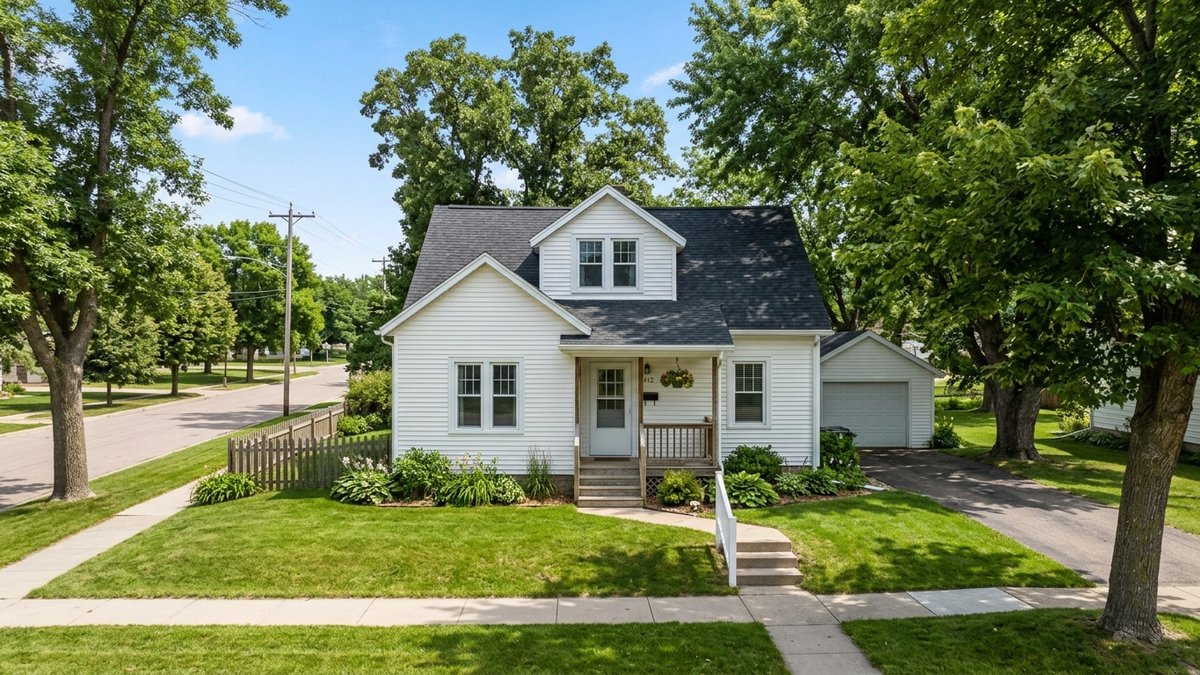
That matters in Yankton because competition can be property-specific. A well-priced home in town may draw quick attention, while lake-area property or acreage may have a narrower buyer pool. Judge the offer against your house, not against a national headline.
Start with the net number. Look at the offer price, seller concessions, inspection language, personal property, and any closing cost requests. If you have not worked through that math, a seller net sheet helps you compare offers without guessing.
Then look at the chance the contract reaches closing. Cash, conventional financing, FHA, VA, and USDA loans can all close, but each file has its own appraisal, property condition, and timing questions. Ask for proof of funds on cash offers. Ask for a current lender letter on financed offers.
Realtor.com’s May 2026 Yankton County market report showed a median listing price of $346,350, a median sold price of $250,000, 218 active listings, and 56 median days on market. That does not mean your home will take that exact time. It does tell you that price, buyer pool, and patience all matter when you decide whether to accept, counter, or ask for highest and best offers.
The first offer is not always the cleanest. The highest offer is not always the safest. Choose the contract that fits your financial goal and moving plan with the least unnecessary risk.
What terms should you compare before you accept?
Compare the terms that can change your net proceeds, closing certainty, and possession date. Price starts the conversation, but the rest of the contract tells you how much pressure that price carries.
Put the offers side by side and check these items:
- Offer price and requested seller concessions.
- Earnest money amount and timing.
- Loan type, down payment, and lender strength.
- Appraisal contingency and any appraisal gap language.
- Inspection terms, repair limits, and inspection deadline.
- Closing date, possession date, and any rent-back request.
- Home-sale contingency or other buyer conditions.
- Personal property requests, appliances, or included items.
A buyer who asks for a large concession may still be your best offer if the rest of the contract is clean. A buyer who offers more but needs to sell another home first may create more timeline risk.
Your next step should guide the weight you give each term. If you are moving out of state, possession timing may matter more than a small price difference. If you are buying another home in Yankton, the date may need to work with your lender and the seller on your next purchase.
This is also where your seller guide planning pays off. If repairs, disclosures, showings, and pricing were handled early, you have a stronger position when buyers ask for changes after inspection.
Do not rank offers from memory. Put the terms in writing and ask your agent where each offer could run into trouble before closing.
Should you ask for highest and best offers?
A highest and best deadline can work when you have several serious buyers and need one clean decision point. It gives each buyer a chance to improve price or terms, and it helps you avoid days of back-and-forth.
The deadline needs to be clear. Buyers should know when offers are due, what information you want included, and when you expect to respond. Keep the process documented.
A deadline also has a downside. Some buyers will improve their offer. Others may walk away if they feel pushed too hard. In a tight segment of the Yankton market, that may be fine. In a narrower buyer pool, losing a serious buyer can hurt.
Think about the property before choosing this path. A move-in ready in-town home with strong showing traffic may support a deadline. A rural property or higher-end lake-area listing may need a more careful conversation with the strongest buyer.
Realtor.com’s May 2026 county report showed 218 active listings and 56 median days on market, while also showing homes selling at about 98 percent of list price. Those countywide numbers are useful context, but your strategy should still come from current showing activity and real offer strength.
You can also counter one or more offers instead of asking everyone for a final offer. This is general real estate information, not legal, tax, lending, or financial advice. Verify contract questions with your attorney, lender, title company, CPA, or insurance professional as needed.
How much do financing and appraisal risks matter?
Financing and appraisal risk matter because they can turn a great-looking price into a renegotiation. If the buyer needs a loan, the lender still has to approve the file, appraisal, and property condition.
Ask what type of loan the buyer is using. Ask whether the lender has reviewed income, assets, and credit, or whether the letter is only a quick prequalification. Ask how much cash the buyer has available if the appraisal comes in low.
Appraisal gap language can matter in multiple-offer situations. If a buyer offers above recent comparable sales, you need to know whether they can cover the difference if the appraisal is lower. Some buyers can. Some cannot.
Property condition matters too. FHA, VA, USDA, and conventional loans can all have property condition concerns, depending on the home and the file. A peeling paint issue, safety repair, roof concern, or missing handrail can become more than a small punch-list item.
Inspection terms need attention too. A buyer may waive inspection, limit repair requests, ask for an informational inspection, or keep a full contingency. You still need proper disclosures and honest communication about known issues.
If your home has older mechanicals or known repair needs, a lower offer with realistic inspection terms may be stronger. A higher offer that reopens every issue can cost you time and money.
What local details can change the best choice?
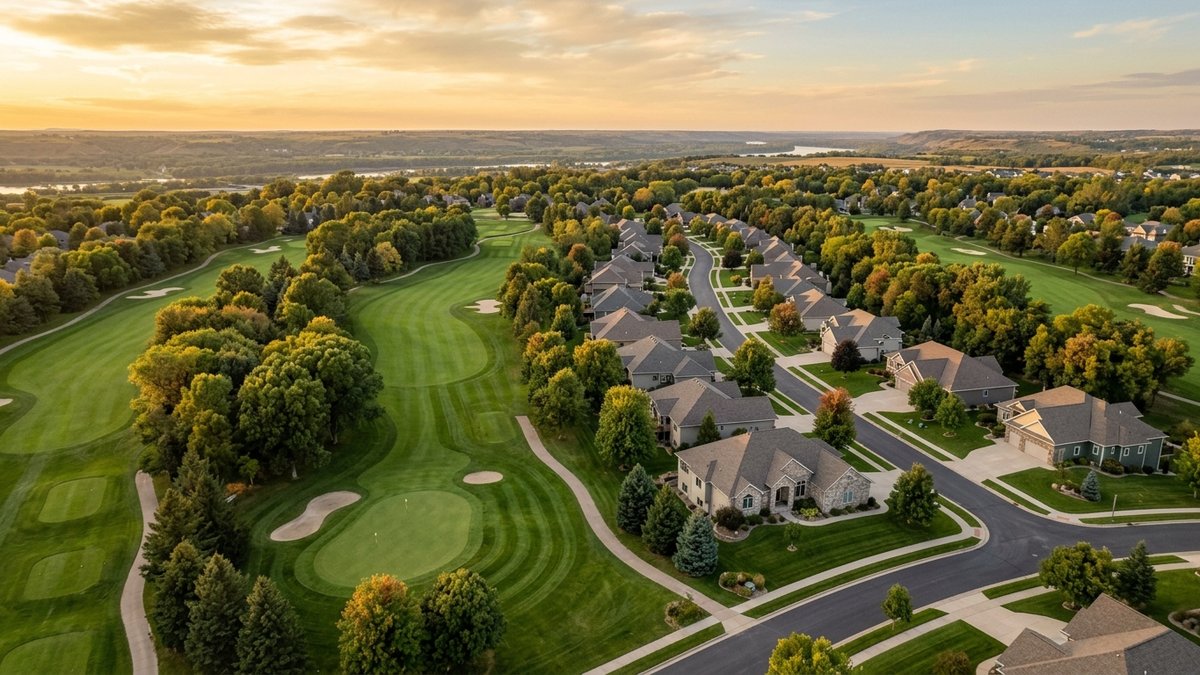
Local details can change the best choice because Yankton homes do not all compete in the same lane. An in-town starter home, a Garden Estates property, a Fox Run home, acreage near Mission Hill, and a Lewis and Clark Lake area property can attract different buyer behavior.
For an in-town home near common buyer price points, a clean financed offer may be strong if the lender is responsive. For a lake-area or acreage property, timing, insurance questions, road access, outbuildings, utilities, and buyer familiarity with the property type can matter more.
School questions need careful handling. You can talk about district assignment, attendance-zone checks, commute, and verification steps. You should not rank schools or describe an area in ways that steer buyers. For an in-town address, verify Yankton School District 63-3 details through the proper district source.
Possession can be a bigger deal than people expect. If you need extra time after closing, a buyer who can offer flexible possession may beat a buyer who needs the keys immediately.
Your next purchase matters too. If you are selling before buying another home, connect the offer review to your home value, net sheet, lender conversation, and temporary housing plan. The best contract supports your next move, not just the number on offer night.
When the offers are close, choose the buyer whose terms make closing more predictable. When the offers are far apart, slow down and compare the risk in dollars.
How should you respond once you choose an offer?
Respond quickly, clearly, and in writing once you choose your direction. Buyers lose confidence when communication drags, and a backup offer can disappear if the process feels uncertain.
If you accept one offer, keep the file moving. Watch the earnest money deadline, inspection deadline, appraisal timing, title work, lender updates, and repair negotiations. A signed contract is a major step, but it is not the finish line.
If you counter, be specific. Change the price, closing date, concessions, included items, inspection terms, possession, or other contract terms you need changed. A vague counter wastes time.
If you reject an offer, do it professionally. Another buyer may become useful later if the first contract falls apart. A backup offer can protect your timeline if the accepted buyer cannot perform.
This is where a local REALTOR earns their keep. I want sellers to understand the money, but I also want them to understand the weak spots in each offer.
Before you sign, ask one final question. If this buyer asks for repairs, has an appraisal issue, or needs a few extra days, will this still feel right? If the answer is yes, you probably have a contract that fits both the market and your next move.
Frequently Asked Questions
Does the highest offer usually win in Yankton?
The highest offer often gets serious attention, but it does not always win. A seller may choose a lower offer if it has stronger financing, fewer contingencies, better possession terms, or a cleaner path to closing.
Can a seller counter multiple offers in South Dakota?
Sellers commonly compare, accept, reject, or counter offers as part of the negotiation process. The exact paperwork and timing should be handled with your REALTOR, and legal questions should be verified with an attorney.
Is a cash offer always better than a financed offer?
A cash offer can reduce lender and appraisal risk, but it is not automatically better. You still need to review inspection terms, proof of funds, closing date, title issues, and possession terms.
What is an appraisal gap in a multiple-offer situation?
An appraisal gap can happen when the contract price is higher than the appraised value. If the buyer has language or funds to cover some of that gap, the seller may have less renegotiation risk. Verify any financing details with the buyer's lender.
Should I take backup offers after accepting one?
A backup offer can help if the first contract falls through before closing. Whether it makes sense depends on your accepted offer, buyer demand, and the terms a backup buyer is willing to sign.
Seller Guides
Sell Your Yankton Home
The seller service page for pricing, prep, marketing, and agent help.
Open guideSeller Guides
Yankton Seller Guide
The full education hub for selling in the local market.
Open guideSeller Guides
Home Value Review
Request a local CMA before relying on a broad online estimate.
Open guide
About the Author
Michelle Maloney is the Broker/Owner of Maloney Real Estate in Yankton, South Dakota. She helps buyers and sellers understand the local market, compare their options, and make confident real estate decisions across Yankton and southeast South Dakota.
Sources
Realtor.com - Yankton County, SD Housing Market Report, Realtor.com - How Do Sellers Handle Multiple Offers?, Realtor.com - Yankton School District 63-3 Profile, Bankrate - Multiple Offers On Your House? How To Choose, HAR - Managing Multiple Offers and Making the Right Decision.
Questions About the Yankton Market?
Ask Michelle's team about pricing, neighborhoods, timing, or your next move. No pitch, no pressure.