
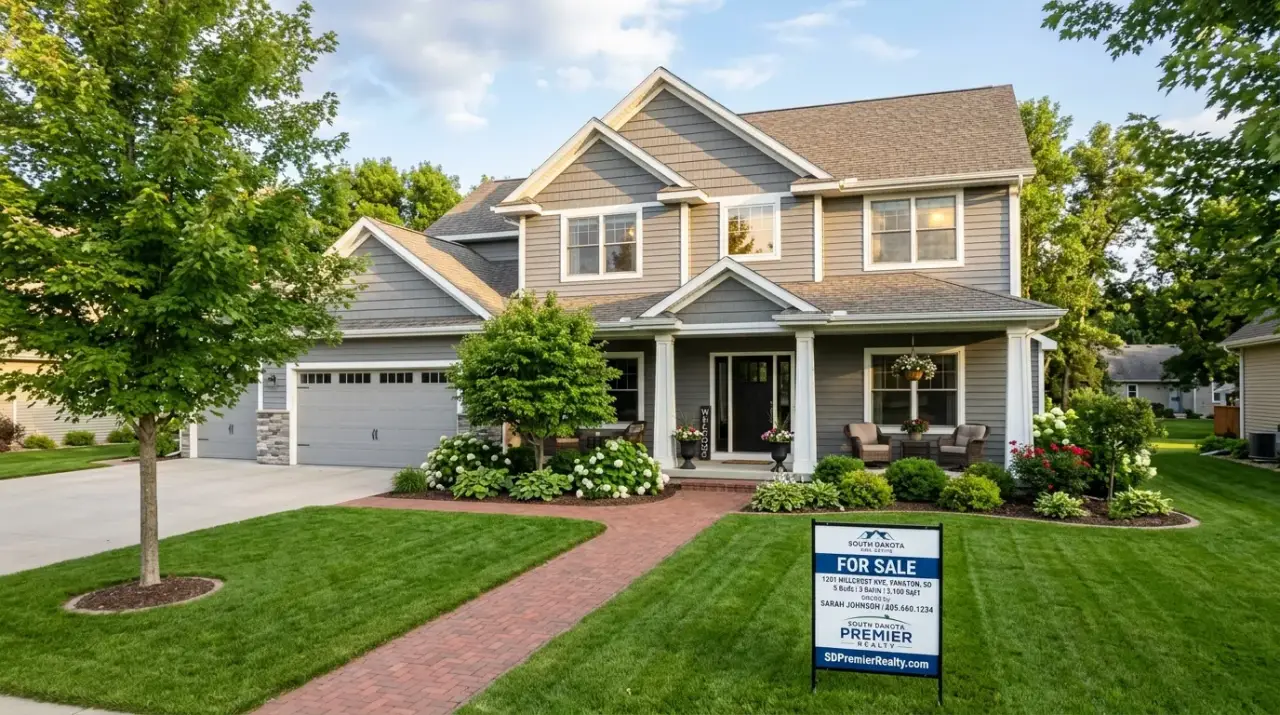
Seller's Guide. Yankton, SD.
Prep your home carefully, price it from current local evidence, and understand the steps from listing to closing.
Last updated: June 20, 2026. Seller stats and timing should be checked against current MLS activity before pricing.
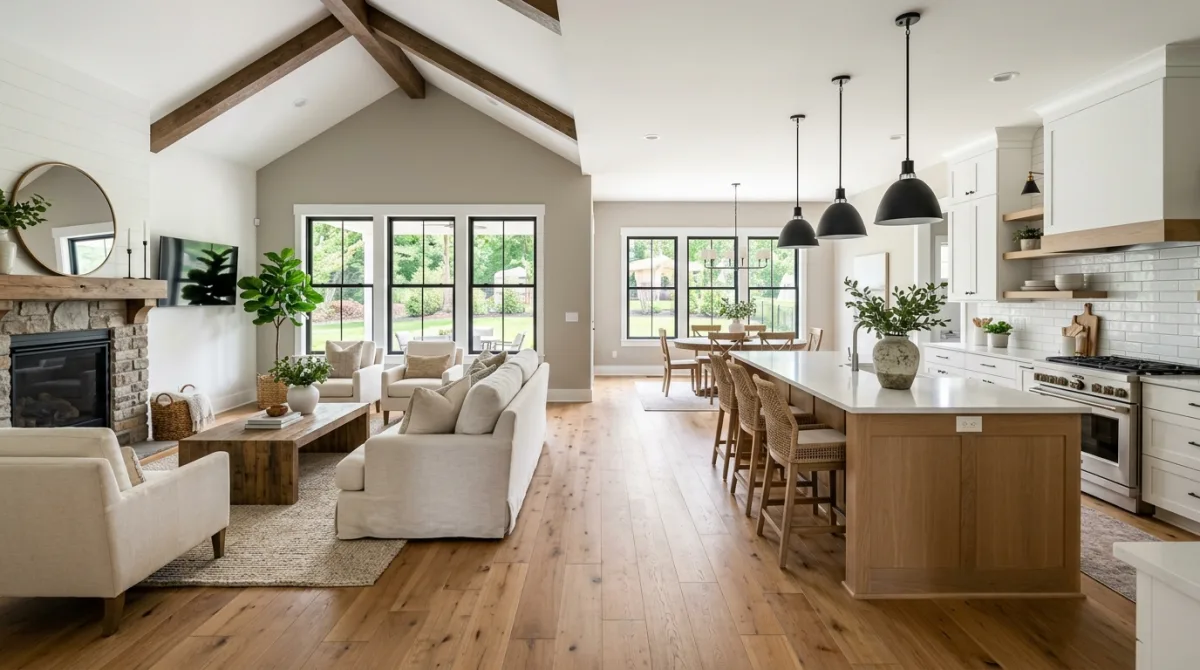
Should You Sell Your Yankton Home Now?
A good selling plan starts with the homes you are competing against right now: active listings, recent closed sales, pending activity, condition, location, and price reductions. Broad market averages help set context, but they are not enough to price one property.
Sellers who prepare the home, fix obvious friction points, price from evidence, and respond quickly to feedback usually give themselves the cleanest path to a strong offer. This guide gives you the framework for those decisions.
Current Yankton Seller Market Snapshot
MLS
Pricing Review
Use current active and closed comps
Condition
Prep Priority
Repairs and presentation affect buyer confidence
6/20/26
Source Check
Refresh market numbers before listing
Free Guide
The full seller's guide is one step away.
Home prep checklist, pricing strategy, negotiation playbook, and closing walkthrough for selling a Yankton home with fewer surprises.
No spam. We'll email it within one business day.
Guide unlocked! Michelle's team will email you the full version shortly.
Yankton FAQ
Seller FAQ
What sellers in Yankton ask us most, with sources.
What is the typical home price in Yankton, SD?
Public market sources vary by method and month. As of April 2026, Zillow reported an average Yankton home value of $276,091 and a median list price of $349,983. Redfin reported a $247,500 median sale price in March 2026. Use those as citywide context, not a valuation for a specific home.
How long do homes stay on the market in Yankton?
Days on market changes with property type, price point, condition, and source methodology. Public portals have shown different Yankton snapshots, so buyers and sellers should verify current MLS activity before relying on a single number. Well-priced homes can still move quickly when inventory is limited.
How much of a home sale gain is tax-free under federal law?
The federal home-sale exclusion is $250,000 for single filers and $500,000 for married couples filing jointly, if ownership and use tests are met. Generally, the seller must have owned and used the home as a primary residence for 2 of the last 5 years before the sale.
Sources:IRS Topic 701
What are the seller disclosure requirements in South Dakota?
South Dakota law requires residential sellers to provide a property condition disclosure statement covering known material defects and the condition of the home and its systems. The standard form is used in most residential sales unless an exemption applies.
Sources:SD Codified Law 35-18-11
Does staging actually help sell a home?
Staging can help buyers understand space, flow, and condition, especially online. National staging studies report strong results, but the right decision in Yankton depends on the home, price point, likely buyer, and whether the cost of staging is likely to change buyer perception enough to matter.
Sources:RESA Statistics
When is the best time of year to list a home in South Dakota?
Spring and early summer often bring more buyer activity in South Dakota, but the best timing depends on your property, prep work, competition, and moving plan. A dated statewide study can be useful context, but a current Yankton pricing review is better before you choose a list date.
Sources:Clever Real Estate
How are property taxes handled at closing in South Dakota?
Property taxes are prorated at closing so the seller pays for the portion of the year they owned the home and the buyer pays the rest. The credit/debit appears on the settlement statement and is calculated based on the closing date and the current tax cycle.
Sources:CFPB, Closing Disclosure