By Michelle Maloney, Broker/Owner, Maloney Real Estate · SD License #14315
Start With Access, Not The View
The first question is not whether the view is pretty. The first question is what you can actually use.
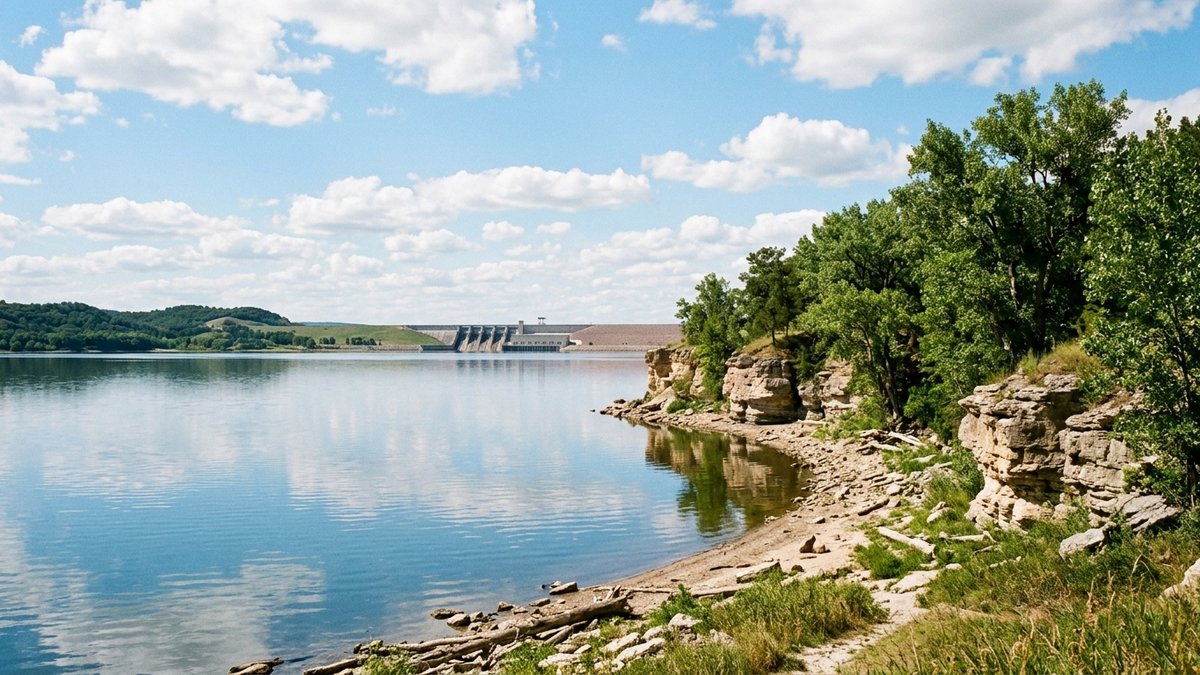
Near Lewis and Clark Lake, buyers often compare three different types of property. One home may sit on or near the water. Another may have deeded lake access through a recorded right. Another may be a short drive from a public boat ramp, marina, or recreation area.
Those are not the same thing. They can affect daily use, resale value, maintenance, insurance, and how often you actually enjoy the lake.
If a listing says lake access, ask what that means in writing. Does the property include deeded access, an easement, a shared road, a private dock agreement, or nearby public access? Does that access transfer with the property? Who maintains the path, dock, road, or shoreline area?
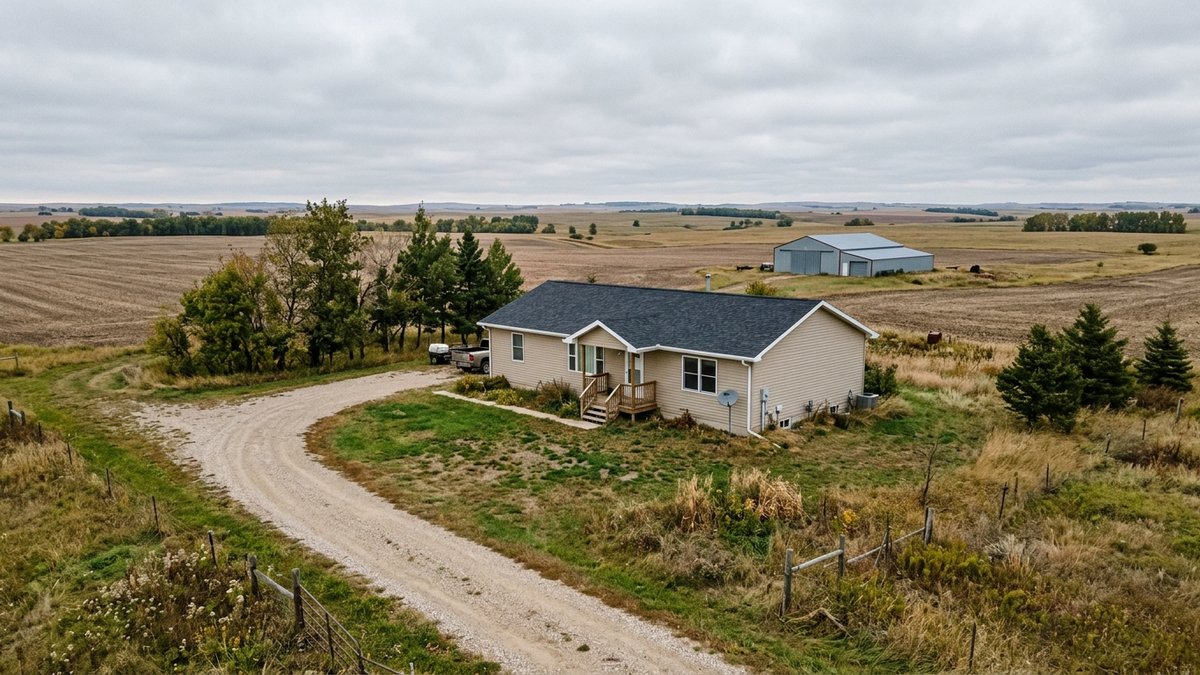
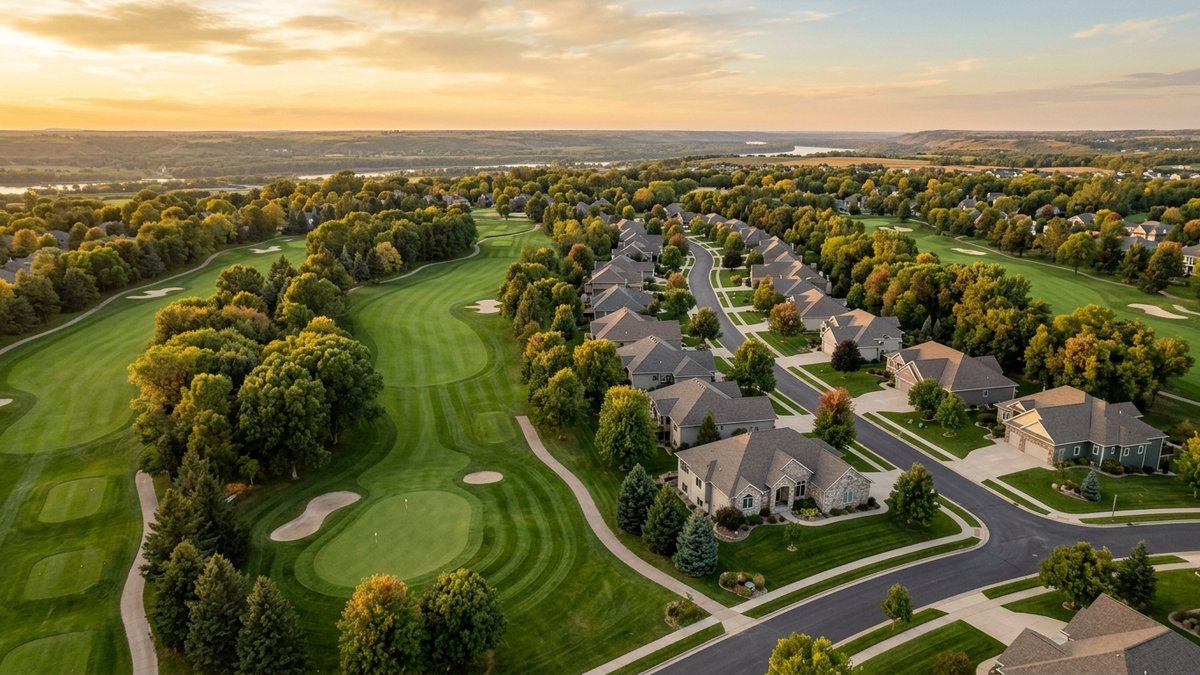
You should also ask whether the home is in a subdivision such as Marina Dell or Sundance Ridge, or whether it sits farther out in a rural pocket near Yankton. A neighborhood setting, a rural road, and a true lakefront site can each create a different buying decision.
That is why I would compare lake homes alongside the broader Yankton buyer process, not as a separate dream purchase. The same offer, inspection, insurance, and title questions still matter. The lake just adds more details to verify.
What Should You Verify Before Writing An Offer?
The research brief for this post found Zillow showing 23 active Lewis and Clark Lake or Yankton-area listings in its late 2025 snapshot. That number is useful only as a market scan, not as a promise about what is available today.
Lake inventory changes quickly because every property is a little different. A home near the water can be year-round, seasonal, off-water, lake-view, or tied to a specific access arrangement.
Before you write, build a due diligence list. These are the questions I would want answered early:
- What type of access comes with the property?
- Is access private, shared, deeded, licensed, or public?
- Are there any dock, shoreline, or road maintenance rules?
- Is the home served by city utilities, rural water, septic, or a private well?
- Is the road public, private, gravel, paved, or seasonal?
- Is the home set up for year-round use or seasonal use?
- Are there association documents, covenants, or shared maintenance costs?
- Are there floodplain, insurance, or erosion questions to review?
Do not rely only on listing remarks for these answers. Listing language is a starting point. Your title company, lender, insurance professional, inspector, and attorney can help verify the pieces that affect ownership.
This is general real estate information, not legal, tax, lending, or financial advice. Verify this with your lender, title company, CPA, attorney, or insurance professional.
Waterfront, Deeded Access, And Near-Lake Are Different
One of the biggest mistakes is treating every lake-area home as the same kind of property. True waterfront, deeded access, and off-water near-lake homes can behave like three separate markets.
A true waterfront home may give you the strongest daily lake experience. It may also bring more questions about shoreline care, erosion, flood insurance, dock condition, and outdoor maintenance.
A deeded-access property may be a strong middle ground. You may get a usable lake connection without owning the most exposed shoreline. The key is confirming exactly what is deeded and whether any rules limit use.
A near-lake home can still be a great fit if your main goal is recreation. You may care more about boat storage, garage space, driveway access, and drive time to a ramp than whether the home touches the water.
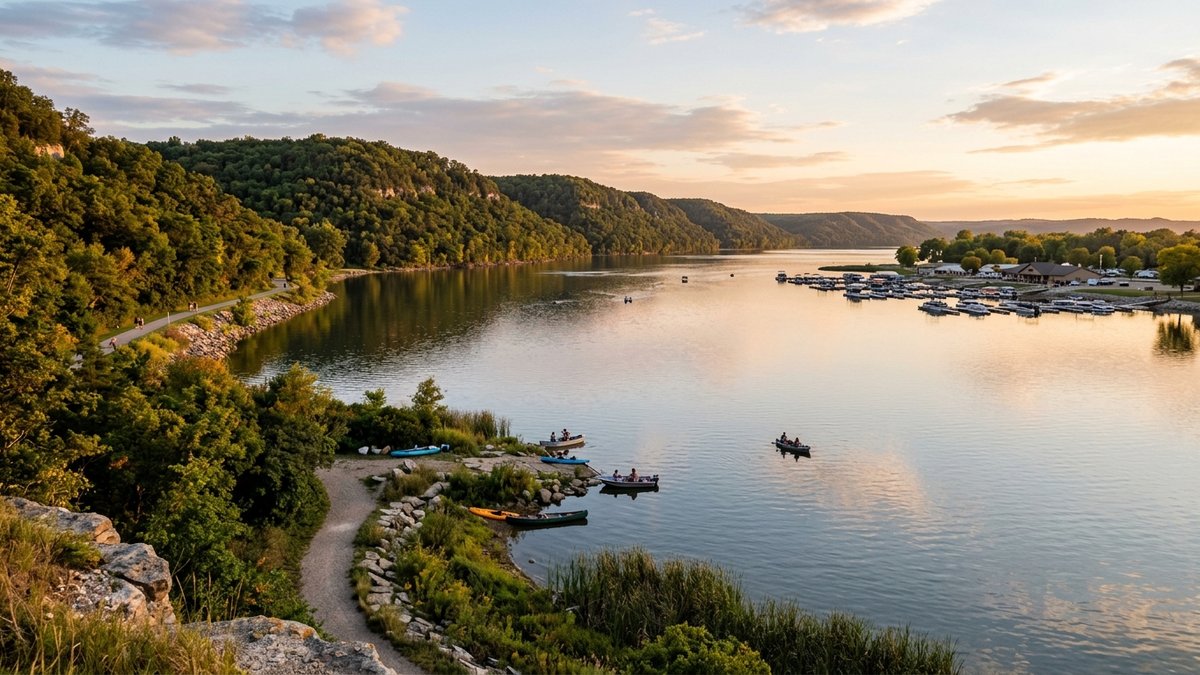
The broader Lewis and Clark Lake and Missouri River lifestyle matters here. Some buyers want boating every weekend. Some want a quiet place near trails and water. Some want a full-time home that feels close to the lake without the upkeep of shoreline ownership.
That lifestyle question should shape the search before you fall for photos. A beautiful deck matters less if you later learn the dock is shared, the road is hard to maintain, or winter use is more limited than expected.
The Homes.com page in the brief showed 31038 Sundance Ridge in Yankton with an estimated value of $713,746 and about $314 per square foot. That single property does not set the market. It does show why property-specific facts matter around the lake.
How Do Maintenance And Utilities Change The Decision?
Lake-area ownership often has a different maintenance rhythm than an in-town Yankton home. You are not just looking at bedrooms, square footage, and finishes.
You are also looking at the systems that make the home usable through every season. That may include septic, well, rural water, private road maintenance, snow access, dock storage, shoreline care, drainage, and exterior exposure.
In town, you may focus on roof age, HVAC age, basement condition, and resale location. Near the lake, you still review those items. Then you add water, slope, drainage, wind, storage, and access.
The Tennessee National buyer guide cited in the brief recommends asking about flood elevation certificates, septic inspections, shorefront surveys, dock condition, HOA rules, and shoreline permits. Those are good process questions for any lake buyer.
In My Own Style also points buyers toward practical questions about roads, internet service, boat storage, and winter use. Around Lewis and Clark Lake, those details can matter as much as the view.
If you plan to live there full time, ask direct questions about winter access and utility reliability. If you plan to use the home seasonally, ask what needs to be shut down, watched, insured, cleaned, stored, or serviced while you are away.
For some buyers, a home in a more established Yankton neighborhood setting may fit better than a rural lake road. For others, the tradeoff is worth it. The right answer depends on how you will actually use the property.
What Should Your Inspection And Professional Review Cover?
A standard inspection is still important, but it is not the whole review. Lake-area homes can need extra attention because the site, access, and systems carry more weight.
Start with the normal home inspection. Then talk with your inspector about drainage, retaining walls, exterior wear, decks, stairs, docks, shore structures, and signs of moisture movement.
If the property has septic or a private well, ask which inspection or water test is appropriate. If the property sits near a floodplain or steep shoreline, talk with your insurance professional before you remove contingencies.
You should also have the title company help confirm recorded access, easements, covenants, and legal descriptions. If anything is unclear, ask an attorney to review it before closing.
Do not interpret shoreline rights, dock rights, or easements from casual comments. Get the documents. Read them with the right professionals. Then decide whether the property still fits your plan.
This is where the buying process should slow down. A strong offer is not just about price. It is also about knowing which inspections, deadlines, and contingencies protect your ability to make a clear decision.
If you are comparing communities outside Yankton, include drive time and service access too. Nearby southeast South Dakota and Nebraska communities can give you different lake access, tax, commute, and maintenance questions.
The Best Lake Home Is The One That Matches Your Real Use
Lake homes are easy to romanticize. The smarter move is to work backward from how you plan to live.
If you want weekend boating, access and storage may matter most. If you want a year-round home, utilities, roads, internet, insurance, and winter maintenance rise to the top. If you want a future resale path, you need to understand how the property compares with other lake-access options.
Lakehouse.com and O’Neal Connection both frame Lewis and Clark Lake as a Yankton-area recreation market. That is helpful, but your purchase still comes down to one parcel, one title file, one inspection, and one ownership plan.
When you tour, look past the sunset view for a few minutes. Ask where guests park. Ask where the boat goes in winter. Ask who maintains the road. Ask how the home handles storms, snow, water, and time away.
Buying near Lewis and Clark Lake can be a great move when the details match your life. The goal is not to talk yourself out of the lake. The goal is to know exactly what you are buying before the view does all the talking.
Frequently Asked Questions
Is buying near Lewis and Clark Lake the same as buying waterfront property?
No. A home can be true waterfront, deeded-access, lake-view, or near public recreation access. Verify the exact access rights with the title company and any recorded documents before you rely on listing language.
Should I worry about septic or well systems near the lake?
You should ask about them early if the property uses private systems. A septic inspection, well test, or rural utility review may be appropriate. Your inspector, lender, and local professionals can tell you what applies to that property.
Can I assume a lake home is usable year-round?
No. Some homes are designed for full-time living, while others work better as seasonal getaways. Ask about winter access, road maintenance, heat, utilities, internet, and what has to be winterized.
Do I need special insurance for a Lewis and Clark Lake home?
You may need a more detailed insurance review than you would for a standard in-town home. Ask about floodplain status, shoreline exposure, docks, outbuildings, and seasonal occupancy. Your insurance professional should verify coverage before you remove contingencies.
What is the biggest mistake lake buyers make?
The biggest mistake is falling for the view before verifying access, utilities, maintenance, and title details. Photos tell you how the property feels. Documents and inspections tell you what you are buying.
Lifestyle
Living in Yankton
The main lifestyle and relocation hub.
Open guideLifestyle
Relocation Guide
Moving timeline, utilities, DMV, schools, and practical next steps.
Open guideLifestyle
Lake and River Life
Lewis and Clark Lake, Missouri River access, and recreation.
Open guide
About the Author
Michelle Maloney is the Broker/Owner of Maloney Real Estate in Yankton, South Dakota. She helps buyers and sellers understand the local market, compare their options, and make confident real estate decisions across Yankton and southeast South Dakota.
Sources
Zillow Lewis Clark Lake Yankton SD real estate, Homes.com 31038 Sundance Ridge Yankton SD, Lakehouse.com Lewis and Clark Lake homes for sale, Tennessee National lake recreation buyer guide, In My Own Style questions to ask when buying a lake house, O'Neal Connection Lewis and Clark Lake properties.
Questions About the Yankton Market?
Ask Michelle's team about pricing, neighborhoods, timing, or your next move. No pitch, no pressure.