By Michelle Maloney, Broker/Owner, Maloney Real Estate · SD License #14315
What Does It Cost To Own An Older Home In Central Yankton In 2026?
An older central Yankton home costs more than the payment on the listing page. The real budget includes taxes, insurance, city water, sewer, garbage, electric or gas, inspection items, near-term repairs, and a maintenance reserve.
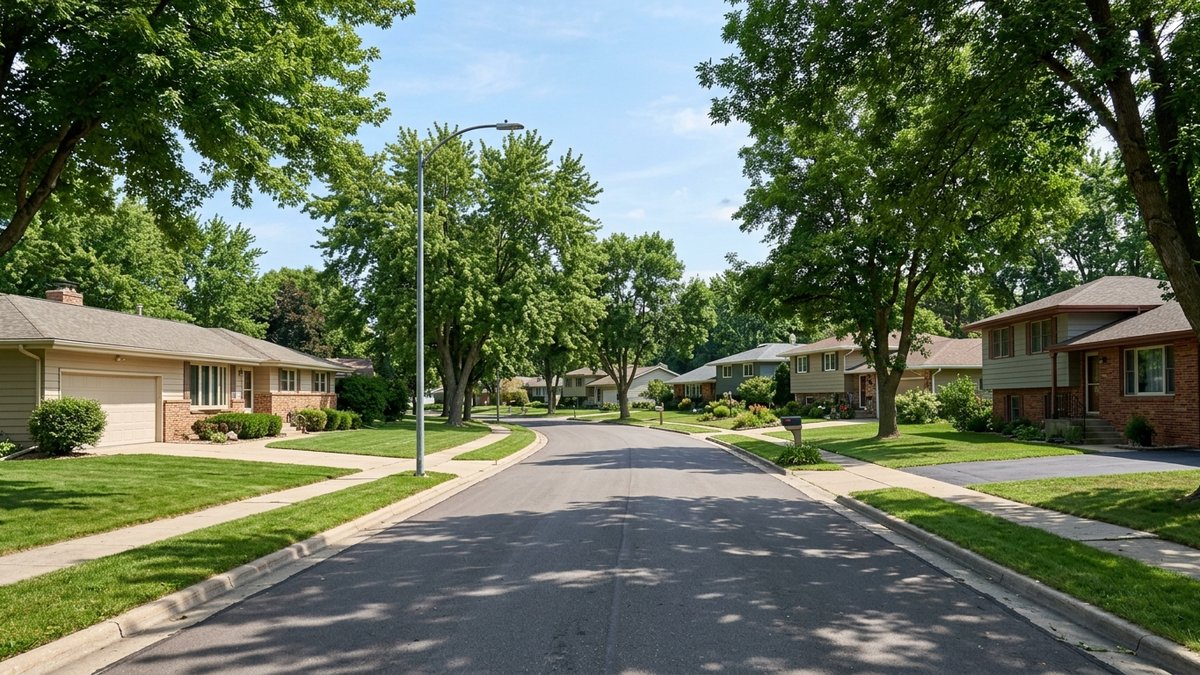
That does not mean older in-town homes are a bad buy. Many buyers like the location, established streets, mature trees, and practical access to downtown, schools, work, and services. The key is knowing which costs are monthly, which costs are annual, and which costs could show up right after closing.
The City of Yankton gives buyers one clear place to start. Its utility page lists monthly water billing with a surcharge plus usage, residential sewer billing based on a fixed charge plus winter water use, and residential solid waste charges. Those are not the whole ownership cost, but they are real recurring costs for city customers.
Everything else should be checked property by property. A 1920s house, a 1950s ranch, and a remodeled central Yankton home can have very different roof, HVAC, window, electrical, plumbing, insulation, and drainage needs.
Before writing an offer, build a simple ownership budget. If the numbers only work when nothing needs repair, the budget is too tight.
Which Monthly Costs Should Buyers Put In The First Budget?
Start with mortgage payment, taxes, insurance, city utilities, electric, gas if applicable, internet, and a basic maintenance reserve. Then adjust the list for the exact house.
The City of Yankton says residential and commercial water customers pay a monthly surcharge based on meter size plus $6.68 per thousand gallons of water used. For residential sewer, the city lists a $36.46 monthly fixed charge plus $7.21 per thousand gallons based on winter water consumption, with a cap when there is no winter base period. Residential solid waste is listed at $27.58 per month plus tax.
Those utility figures are useful because they are current city numbers, not a guess. They apply to City of Yankton utility customers. A rural or lake-area property may have a different setup, such as well, septic, propane, private garbage, or road costs.
Taxes and insurance need their own checks. Public city utility numbers help with part of the budget, but they do not give you a one-size-fits-all tax bill or insurance premium. Ask your lender, insurance agent, and county tax source to model the property you are actually buying.
Also ask how escrow will be handled. Some buyers focus on principal and interest, then feel surprised when taxes and insurance move the payment. Others budget for utilities but forget seasonal gas, summer electric, or a higher first-year repair reserve. A small worksheet is enough if it uses real quotes and the right property address.
A mortgage calculator can help with rough payment context, but the right next step is a property-specific budget. Use the Yankton mortgage calculator for a first pass, then get real quotes.
What Older-Home Repairs Should You Budget For First?
Budget first for the parts that protect the house and affect safety, financing, or insurance. Roof, HVAC, water heater, electrical panel, plumbing, sewer line, foundation, drainage, windows, and major appliances deserve more attention than paint colors.
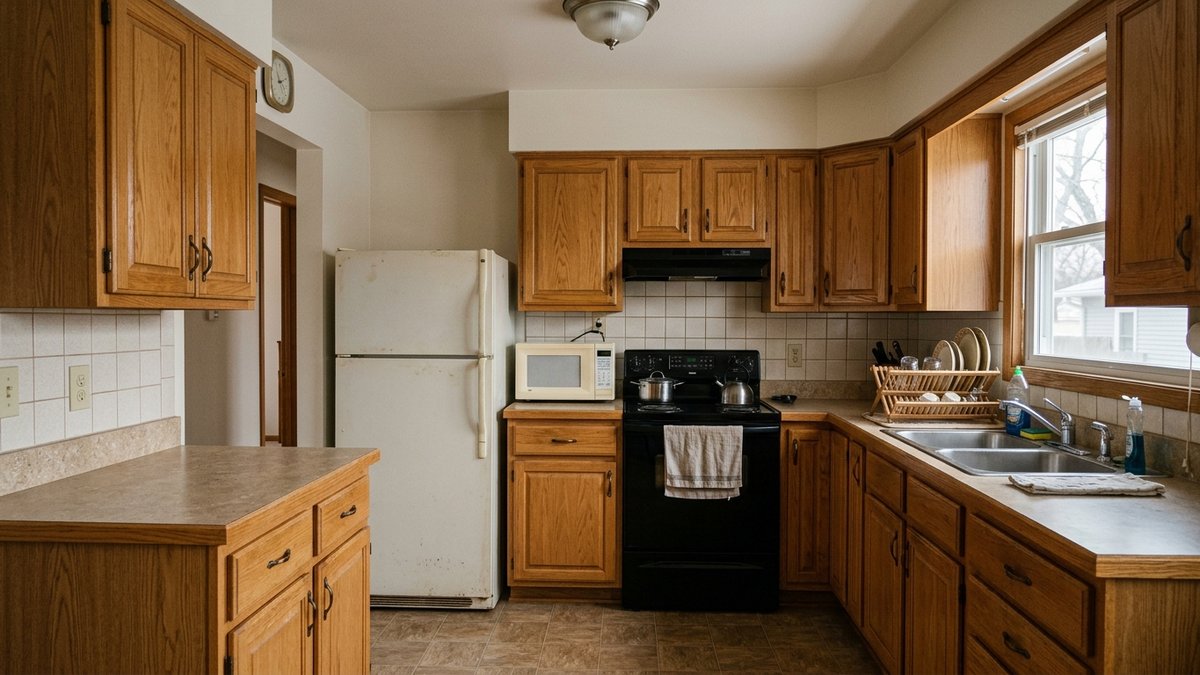
An inspection should separate urgent items from future projects. A roof near the end of its life is different from an older kitchen that still works. An electrical issue is different from dated carpet. Buyers sometimes spend too much energy on cosmetic updates and not enough on systems that can affect daily cost.
Central Yankton homes can vary widely. One older home may have had careful updates over time. Another may have charming details but deferred maintenance. A third may have a mix of both. The purchase price will not tell you which one you are buying.
Ask for age, service history, and permit context when available. Then put each repair into one of three groups: required before closing or soon after, likely within the next few years, and optional later.
Use that list when comparing homes. A cheaper house with a tired roof and old mechanicals may cost more than a higher-priced house with documented updates. The better choice is the one that fits your cash position after closing.
Michelle’s buyer lens is calm and practical here. You do not have to fear every older house. You do need a repair budget that matches the house, not the dream version of the house.
How Should Buyers Compare Central Yankton With Rural Or Lake-Area Homes?
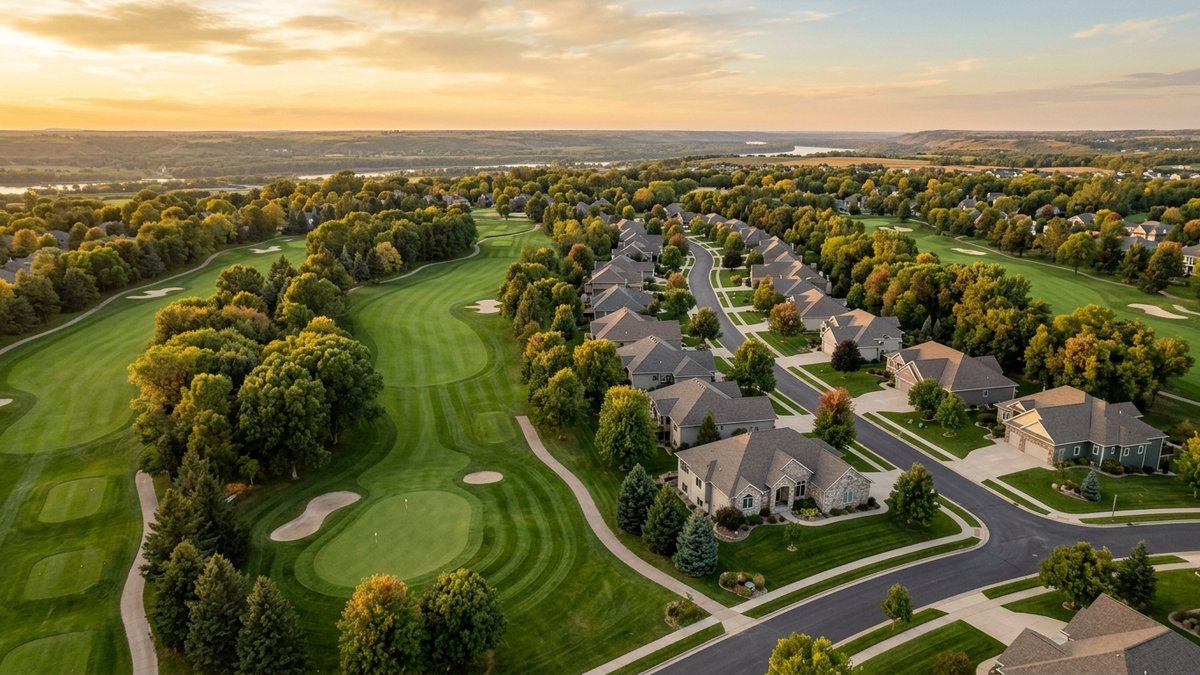
Compare the utility setup and maintenance pattern, not just the style of home. In-town Yankton homes may have city water, sewer, and garbage charges. Rural or lake-area homes may involve different wells, septic systems, propane, private roads, garbage service, or insurance questions.
That comparison matters because monthly cost is only one part of ownership. A central home may trade a smaller lot or older systems for convenient access to services. A rural property may trade more space for more owner responsibility. A lake-area home may add its own insurance, access, and maintenance questions.
The City of Yankton homepage and public documents directory point buyers toward utilities, fee schedules, building permits, planning and zoning, maps, water, wastewater, and solid waste information. Use those resources to confirm what the city handles and what the owner handles.
Do the same with insurance, taxes, and repairs. Ask for quotes before the deadline. Ask what the lender will count in the payment. Ask the inspector which systems are most likely to affect the first two years of ownership.
If you are still deciding where to look, the Yankton buyer page and living in Yankton cost-of-living guide can help you compare the broader local fit.
What Cost Checklist Should You Use Before Making An Offer?
Use a three-part checklist: monthly recurring costs, annual recurring costs, and near-term repair costs. That keeps the older-home decision from turning into one emotional tour.
Monthly recurring costs include mortgage, tax escrow if used, insurance, water, sewer, garbage, electric, gas, internet, and any HOA or special service charge if one applies. Annual recurring costs include routine maintenance, HVAC service, filters, gutter cleaning, tree trimming, snow removal, insurance review, and small repairs.
Near-term repair costs should come from the inspection and your own priorities. Put roof, HVAC, water heater, sewer line, electrical panel, windows, foundation, drainage, appliances, and cosmetic updates on the list. Mark each one as urgent, soon, or later.
If a house is older, ask whether there are lead paint, asbestos, knob-and-tube, galvanized plumbing, or other age-related questions that need a qualified professional. Do not diagnose those from a showing. Use the inspection period and the right experts.
Before you write, decide how much cash you want left after closing. A buyer who empties savings to buy an older home may feel squeezed when the first repair arrives. That does not make the house wrong. It means the offer, timing, or budget needs a harder look.
A smart offer can reflect that reality. You may ask for inspection time, seller repairs, a credit where allowed, or a price that leaves room for the first projects. The point is not to win the house at any cost. The point is to own it without turning normal maintenance into a crisis.
For help sorting the numbers against actual homes for sale in Yankton SD, contact Michelle. Bring the utility, repair, and cash reserve questions to the first serious showing. The best older-home purchase is the one where the charm, payment, timing, and repair budget all make sense.
Frequently Asked Questions
Are older homes in central Yankton expensive to own?
Not automatically. Some older homes have strong updates and practical locations. The key is checking systems, utilities, taxes, insurance, and maintenance before deciding.
Which utilities should I budget for in Yankton?
City of Yankton customers should include water, sewer, and solid waste charges, plus electric, gas if applicable, internet, taxes, insurance, and maintenance.
What repairs matter most on an older house?
Start with roof, HVAC, water heater, electrical, plumbing, sewer line, foundation, drainage, windows, and appliances. Cosmetic updates can wait if the systems need attention.
How does an in-town home compare with a rural property?
A rural home may have well, septic, propane, private garbage, road, or larger-site maintenance costs. Compare the exact utility and repair setup before choosing.
Buyer Guides
Buy a Home in Yankton
The buyer service page for search help, offer strategy, and local guidance.
Open guideBuyer Guides
Yankton Buyer Guide
Step-by-step education for financing, inspections, offers, and closing.
Open guideBuyer Guides
Homes for Sale
Current inventory plus local search context by property type and area.
Open guide
About the Author
Michelle Maloney is the Broker/Owner of Maloney Real Estate in Yankton, South Dakota. She helps buyers and sellers understand the local market, compare their options, and make confident real estate decisions across Yankton and southeast South Dakota.
Sources
City of Yankton Utilities, City of Yankton homepage and public documents directory, City of Yankton Housing Study, City of Yankton Planning and Zoning.
Questions About the Yankton Market?
Ask Michelle's team about pricing, neighborhoods, timing, or your next move. No pitch, no pressure.