By Michelle Maloney, Broker/Owner, Maloney Real Estate · SD License #14315
What can’t a listing photo tell you?
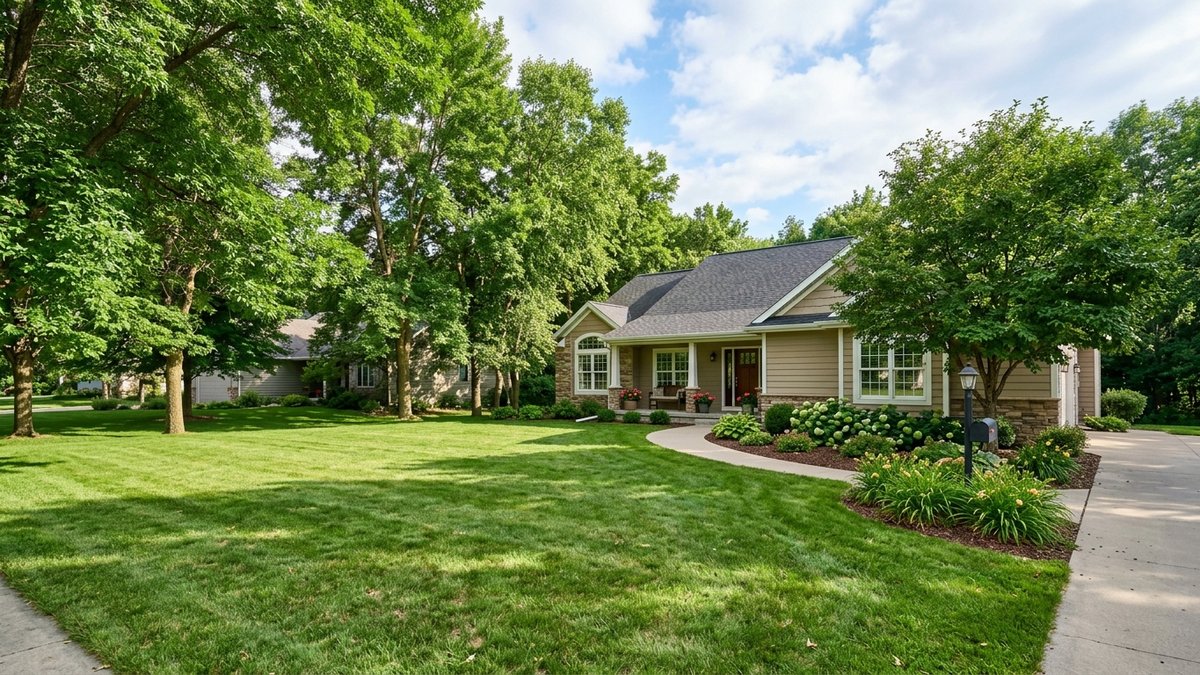
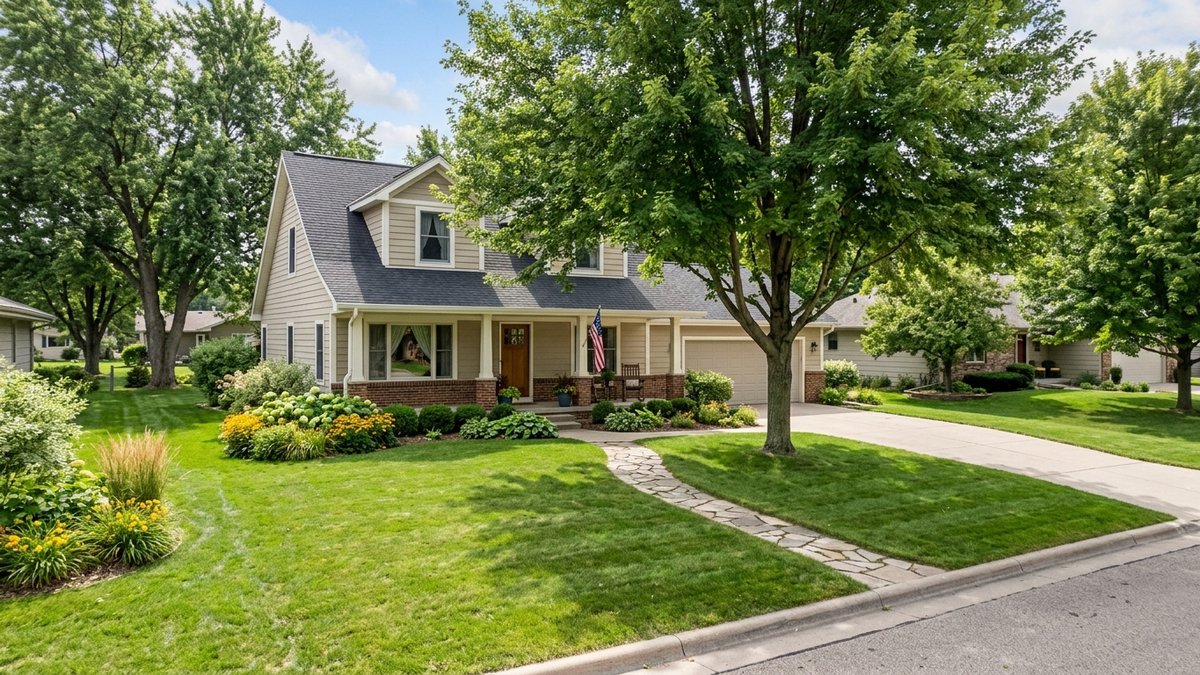
Listing photos are built to sell. That’s not a trick, it’s the job. The photographer picks the clear afternoon, the clean counters and the angle that makes the backyard look deep. When you’re scrolling homes for sale in Yankton on your phone at night, those photos do a good job of telling you whether a house is worth a showing. They do a poor job of telling you whether it’s worth an offer.
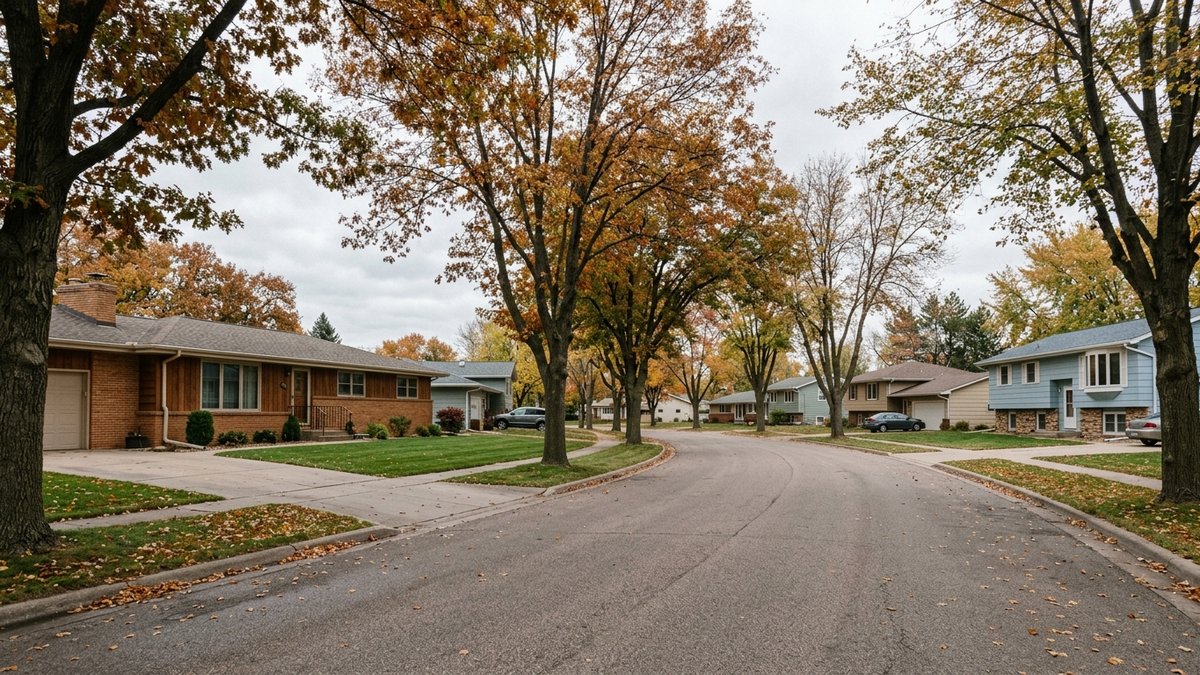
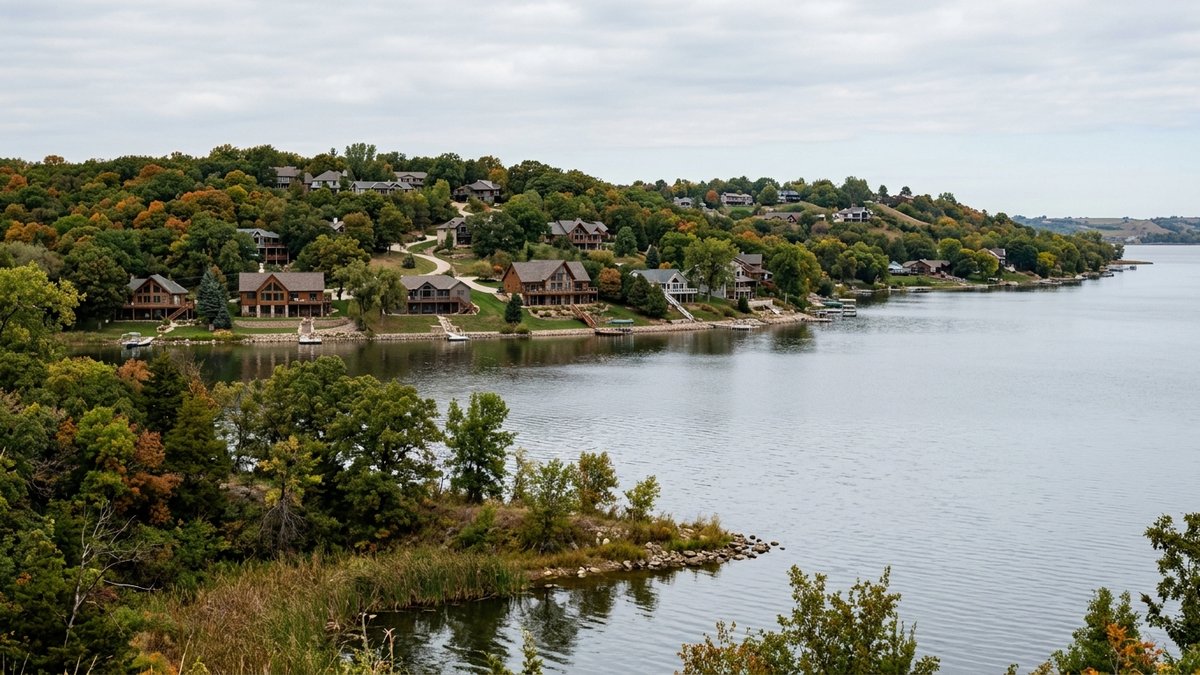
The gaps fall into a few groups. A photo can show you a roof, but not how old the covering is or whether it has ever leaked. It can show you a green lawn, but not whether water sat in that yard for days after a heavy rain. It can show a finished basement, but not what’s behind the new drywall, whether the lower level has been tested for radon, or whether the lot sits in a flood plain. And a wide-angle shot of a lake view or a tree-lined street says nothing about the paperwork that comes with the house.
None of this means the seller is hiding anything. It means a photo is the wrong tool for those questions. The right tools are the seller’s written answers, your own eyes at the showing and a qualified inspector after you’re under contract. You’ll get the most from all three if you know which gaps to look for before you fall for the pictures.
When should you see the disclosure statement?
Before you write an offer. South Dakota law says the seller of residential real property must give the buyer a completed copy of the property condition disclosure statement before the buyer makes a written offer. The South Dakota Real Estate Commission describes the same duty for most sellers of residential homes, whether they sell through a licensed agent or on their own, and notes that some transfers are exceptions.
That timing is the most useful thing a buyer can know here. The statement is meant to reach you while you’re still deciding, not after you’ve signed. So if you’re serious about a Yankton home, ask your agent for the completed statement before you talk price. Read it the same day, with the listing photos open next to it. Every place where the photos make a promise, the statement either backs it up, adds detail or leaves a blank.
The duty doesn’t stop at delivery. If the seller becomes aware of a change of material fact after giving you the statement, and before closing or possession, whichever comes first, state law requires a written amendment. A spring storm between your offer and closing is the kind of event where that matters. Keep the original and any amendment together so you can compare them.
If a listing says the statement isn’t available, ask why before you invest more time. It may be one of the exceptions, or it may just not be uploaded yet. Either way, you want the answer before you write. For the seller’s side of the same rules, see South Dakota seller disclosure requirements.
Which disclosure answers fill the photo gaps?
The statutory form is long, and most of it is check boxes. Here are the parts that line up with what photos can’t show.
Roof answers
The form asks for the type of roof covering, its age if known, whether the seller is aware of any roof leakage past or present, and whether roof repairs have been made, when and by whom. A photo can’t give you any of that. If the age is blank or “unknown,” write that down as a question for the showing and the inspection. Our guide to roof age questions for Yankton buyers walks through what to ask next.
Water and flood plain answers
The form asks whether the seller is aware of water in the front, rear or side yard for more than forty-eight hours, and whether the property is in a flood plain. It also asks whether the seller knows if drain tile is installed. These are the answers a summer listing photo of a green yard can’t give you. Whether you’re looking at a sloped in-town lot or acreage outside town, read this part slowly. If an answer surprises you, use drainage questions for buyers near Yankton to plan what to look at in person.
Walls, floors and pests
The form asks about cracked interior walls, ceilings or floors, cracks in driveways, sidewalks and patios, insulation in the attic, walls and floors, and pest infestation or damage. Fresh paint and good lighting can make a room look flawless in a photo. The written answer tells you whether the seller knows of something under it.
Keep one thing in mind as you read. The form itself says it is not a warranty of any kind by the seller or anyone representing a party in the transaction. It’s the seller’s account of what they know. That’s valuable, and it’s also exactly why the next two steps exist.
What should you check in person and at inspection?
Take your gap list to the showing. Look at ceilings under the roof areas you asked about. Walk the yard, and look at where water would go from the downspouts. Open the door to the lower level and notice whether it smells damp. Look at the spots where photos were cropped tight. You’re not diagnosing anything. You’re deciding which questions you need a professional to answer.
Two gaps deserve a specific plan.
Radon on the lower level
Radon is a question no photo can answer. If you plan to use a basement or lower level as a bedroom, office or family room, ask whether the home has a prior radon result and where the test was placed. Our radon testing questions for Yankton buyers cover what a useful report includes and when a new test is worth discussing.
Older homes and lead paint
For most housing built before 1978, the federal lead-based paint disclosure rule applies. The seller must tell you about any known lead-based paint and hazards, and you get a 10-day opportunity, or a mutually agreed period, to arrange a lead inspection or risk assessment. You can also waive it. Check the year built on the listing before you write. Our guide to lead paint checks for older Yankton homes covers what to ask for in the disclosure and when a certified lead inspection or risk assessment makes sense.
After that, your general home inspection is where the remaining photo gaps get a professional look. Our overview of South Dakota home inspection expectations explains what an inspector usually covers and what may need a specialist. Ask your agent how the inspection period in your purchase agreement fits with these steps, and ask a qualified attorney if a contract question comes up. This article is general process education, not advice about your agreement.
How do you turn the gaps into an offer plan?
Make one short list for each home you’re serious about. Put three columns on it: what the photos suggested, what the disclosure statement says and what’s still open. The open column is your plan. Some items you can settle at a second showing. Some go on the inspection list. A few may change the price you’re comfortable offering, or whether you write an offer at all.
Keeping this list changes how you shop. You stop comparing homes by their best photo and start comparing them by what you actually know. On a quiet street in town or a lake lot with a view, that’s the comparison that holds up after closing.
When you’re ready to look again, start with homes for sale in Yankton and keep the gap list beside you.
Frequently Asked Questions
Does the South Dakota disclosure statement ask about radon?
Yes. The hazardous conditions section lists radon gas for the house and for a well. For each item the seller marks whether the condition exists and whether tests were performed. If a test is reported, ask for the full report.
Does the form ask about permits for past work?
Yes. The structural section asks whether the seller is aware of work that needed a building, plumbing, electrical or other permit, whether a permit was obtained and whether an inspector approved the work. If the answers are yes, ask for the permit records.
Does the form ask about storm damage and insurance claims?
Yes. The structural section asks about past or present damage from fire, smoke, wind, floods, hail or snow, whether insurance claims were made and paid, and whether the damage was repaired. Ask what was fixed and when.
Can a seller answer Do Not Know on the form?
Yes. Many questions offer a Do Not Know choice next to Yes, No and N/A, plus a comments column. Treat each Do Not Know on your gap list as an open question for the showing or the inspection.
Buyer Guides
Buy a Home in Yankton
The buyer service page for search help, offer strategy, and local guidance.
Open guideBuyer Guides
Yankton Buyer Guide
Step-by-step education for financing, inspections, offers, and closing.
Open guideBuyer Guides
Homes for Sale
Current inventory plus local search context by property type and area.
Open guide
About the Author
Michelle Maloney is the Broker/Owner of Maloney Real Estate in Yankton, South Dakota. She helps buyers and sellers understand the local market, compare their options, and make confident real estate decisions across Yankton and southeast South Dakota.
Sources
South Dakota Codified Laws 43-4-38, Buyer furnished completed disclosure statement prior to written offer, South Dakota Codified Laws 43-4-44, Property Condition Disclosure Statement, South Dakota Real Estate Commission, Consumer Information, South Dakota Real Estate Commission, Real Estate License Laws and Administrative Rules (as of July 1, 2025), U.S. EPA, Real Estate Disclosures about Potential Lead Hazards (May 27, 2026), South Dakota Real Estate Commission, Lead-Based Paint Seller's Disclosure Form (2021).
Questions About the Yankton Market?
Ask Michelle's team about pricing, neighborhoods, timing, or your next move. No pitch, no pressure.