By Michelle Maloney, Broker/Owner, Maloney Real Estate · SD License #14315
What is the real difference between an in-town Yankton home and a Gavins Point area property?
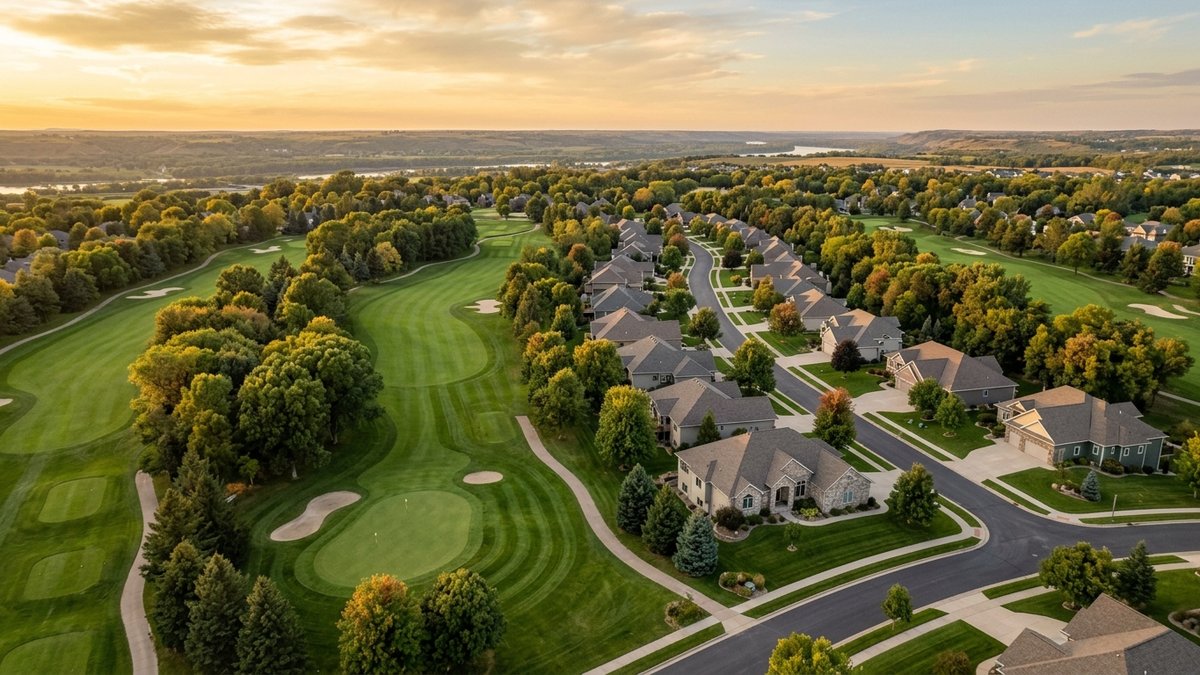
The biggest difference is usually the daily routine, not the number of minutes on a map. An in-town home can place ordinary errands, appointments, service calls, and city utilities closer to the center of life. A property near Gavins Point can make lake time, outdoor storage, and a quieter setting part of the everyday picture. Neither choice is automatically better. The better fit is the one that works on a regular Tuesday in January as well as on a July weekend.
That is why buyers looking at Yankton lake homes need to compare the house and the address together. Start by writing down the routines that are hard to move: where you work, how often you need to be in town, whether you want a garage or boat storage, and how much exterior upkeep feels reasonable. Then use the same list for every showing. A lake-area home may solve one set of priorities while adding another set of questions.
How do utilities change the year-round comparison?
The City of Yankton manages water, sewer, and garbage utilities for city service. That gives an in-town buyer a clear place to begin when reviewing a specific address. It does not mean every property with a Yankton mailing address has the same setup. The city notes that an outside-city water connection needs permission and follows different rates, so the actual service arrangement needs to be confirmed for the parcel.
For a South Dakota lake-area or rural property, the comparison may include a private well, an on-site wastewater system, propane, electric service, internet options, and the people who maintain each system. South Dakota’s Department of Agriculture and Natural Resources says on-site wastewater systems commonly use a septic tank and drainfield, and that many state residents rely on them. That is not a reason to avoid a property. It is a reason to request the system details, ask what has been maintained, and have the appropriate professionals review the specific setup.
What should full-time buyers test before they fall in love with the lake setting?
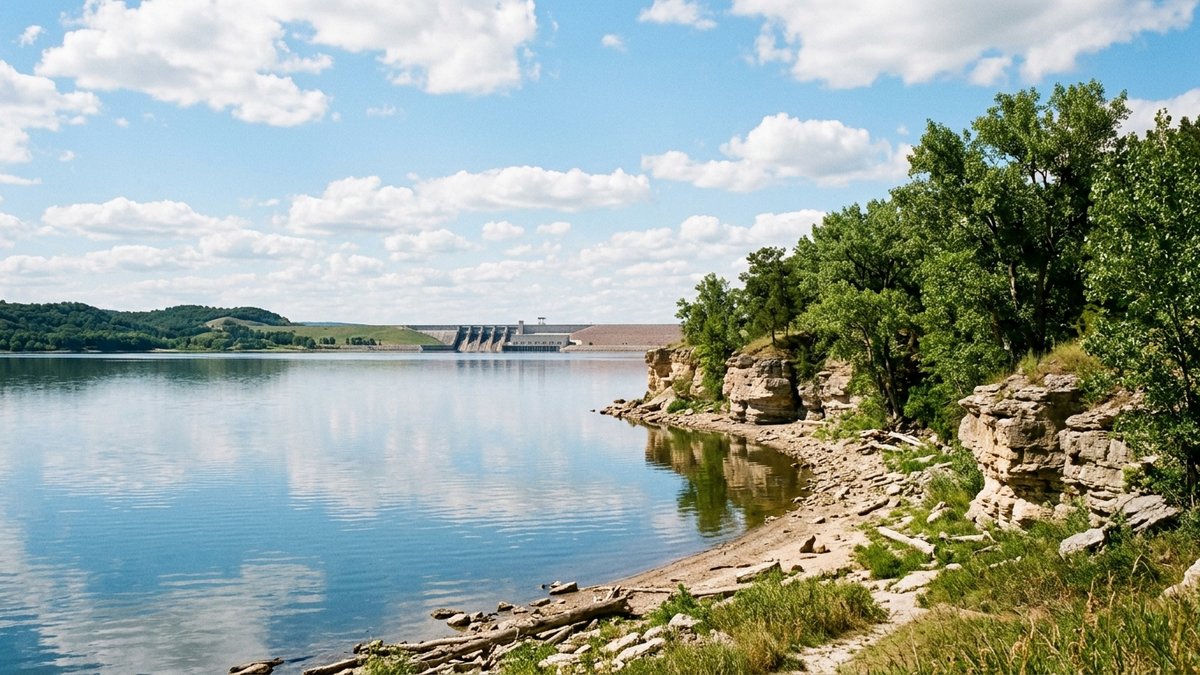
Run the real drive, not the summer showing drive. Leave the property at the time you would normally head to work, pick up groceries, meet an appointment, or return after dark. USACE places Gavins Point about four miles west of Yankton on Highway 52, which makes a side-by-side drive test easy to arrange. The result will vary by the actual street, driveway, and where the buyer spends most of the week.
While you are there, look beyond the view. Notice driveway grade, parking, turning space, garage depth, exterior stairs, storage, tree cover, and the tasks that come with the lot. Ask who maintains the road and driveway, what equipment is used, and which details are covered by a service provider versus the owner. A property may sit near town and still live very differently once winter conditions, deliveries, visitors, or a service call are part of the plan.
Does the South Dakota and Nebraska border matter when comparing lake properties?
Yes. USACE identifies Lewis and Clark Lake and Gavins Point as straddling the South Dakota and Nebraska border. The lake lifestyle can feel continuous across the water, but the parcel is in one jurisdiction or the other. Confirm the actual county, state, and service providers before carrying an assumption from one listing to the next.
This is especially useful when a buyer searches lake homes for sale Yankton SD alongside nearby Nebraska options. Keep the comparison practical: the address, parcel records, utility setup, access route, and local contacts should all match the property being considered. A South Dakota source about an on-site wastewater system is useful for a South Dakota property, but it does not answer the same question for a Nebraska-side parcel. When the property crosses a state line, ask the relevant local office or qualified professional to confirm the detail that affects that address.
How should flood and water questions fit into the decision?
A lake or river location does not answer a parcel’s flood question by itself. USACE notes that dams do not eliminate flood risk. Treat that as a reminder to get address-specific information, not as a judgment about any particular home near Gavins Point. The listing, disclosures, insurance professional, lender when applicable, and the appropriate mapping resources can each have a role in clarifying the property you are considering.
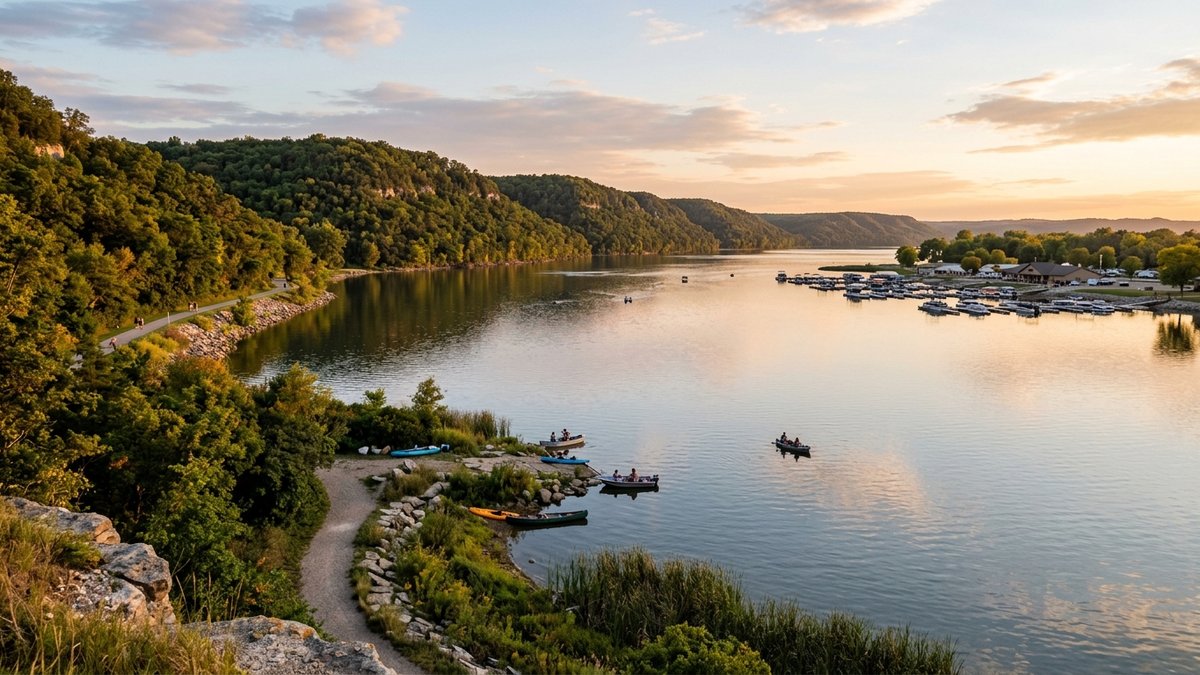
The same approach applies to water access. A home can be near Lewis and Clark Lake without having private shoreline, a dock right, or the access arrangement a buyer expects. Ask what is included with the property, what access is public, what access is private, and what ongoing responsibilities apply. The lake is a major reason people enjoy living in Yankton SD, but the useful comparison is always between the buyer’s intended use and the documented features of the specific parcel.
What documents make the comparison more useful?
Photos and a listing description help narrow the field, but they rarely answer the full-time ownership questions. Once a property is a serious possibility, gather the records that describe the address rather than the scenery. For an in-town home, that can include the current utility arrangement and any details that affect the home itself. For a lake-area or rural home, it can include the water source, wastewater records, road or shared-driveway information, and documents connected to access or common areas.
The point is not to turn every showing into an investigation before deciding whether you like the home. It is to keep a buyer from comparing a fully documented city address with a lake-area address that still has major unanswered questions. Keep a simple note for each property: what is confirmed, what is listed but needs documentation, and which professional or local office can answer the remaining question. That record makes a side-by-side decision calmer and more specific.
How can you compare two finalists without getting distracted by the view?
Use the same six lines for both properties: daily drive, utility and wastewater setup, road and driveway responsibility, heating and storage, parcel-specific water questions, and state and county location. Then add two personal lines: the activities you want to do most often and the work you do not want to take on. A buyer who keeps a boat at home may place more weight on storage. A buyer who values a simpler errand pattern may place more weight on the in-town routine.
Give each item a short note after every visit. The goal is not a score that pretends one lifestyle is objectively better. The goal is a clear record of the tradeoffs that matter to your household. That is more useful than comparing bedroom counts alone, especially when a search includes an in-town home, a cabin-style property, an acreage, or one of the lake homes near Yankton that has a very different setup from the last property you toured.
Which option fits your everyday plan?
An in-town Yankton home may be the stronger fit when the priority is a simpler daily pattern, city utility service at the address, and less emphasis on outdoor storage or lake-oriented upkeep. A Gavins Point area property may be the stronger fit when access to Lewis and Clark Lake, a larger outdoor setting, or room for recreational equipment is central to how you plan to live. Both choices can work year-round when the property details support the routine.
Before narrowing the search, compare each finalist on the same page: daily drive, water and wastewater setup, road and driveway responsibility, heating and storage needs, parcel-specific water or flood questions, and the state and county that govern the address. For more context, review the Yankton lake-home search guide, buying acreage near Yankton, and living in Yankton. Michelle can help you line up current homes, cabins, acreages, and lake-area options with the questions that matter before you decide where to focus.
Frequently Asked Questions
Are lake-area homes near Gavins Point suitable for year-round living?
They can be, but the answer depends on the individual address. Review the heating, water and wastewater setup, road and driveway maintenance, storage, and the daily drive before treating a seasonal-looking property as a full-time fit.
Do all homes near Yankton have city water and sewer?
No. The City of Yankton manages water, sewer, and garbage utilities for city service, while lake-area and rural properties can have a different setup. Confirm the services for the specific address.
Why does the property state matter near Lewis and Clark Lake?
Lewis and Clark Lake spans the South Dakota and Nebraska border. The parcel location affects which local and state sources apply to services, records, and property questions.
What is the first comparison to make between an in-town and lake-area home?
Compare how each address supports your normal week. Put the drive, utilities, upkeep, storage, and access questions beside the features you want from the home.
Lifestyle
Living in Yankton
The main lifestyle and relocation hub.
Open guideLifestyle
Relocation Guide
Moving timeline, utilities, DMV, schools, and practical next steps.
Open guideLifestyle
Lake and River Life
Lewis and Clark Lake, Missouri River access, and recreation.
Open guide
About the Author
Michelle Maloney is the Broker/Owner of Maloney Real Estate in Yankton, South Dakota. She helps buyers and sellers understand the local market, compare their options, and make confident real estate decisions across Yankton and southeast South Dakota.
Sources
U.S. Army Corps of Engineers: Gavins Point Dam and Lewis and Clark Lake, City of Yankton: Utilities, South Dakota Department of Agriculture and Natural Resources: On-Site Wastewater Systems.
Questions About the Yankton Market?
Ask Michelle's team about pricing, neighborhoods, timing, or your next move. No pitch, no pressure.