By Michelle Maloney, Broker/Owner, Maloney Real Estate · SD License #14315
What should you check first on a Yankton commercial property?
Start with the use, not the building. A storefront, office, service shop, mixed-use building, or contractor space can look right online and still be wrong for the way you plan to operate.
Before touring, write a one-page use plan. Include your hours, expected customer traffic, staffing, deliveries, equipment, signage, parking, accessibility needs, and likely improvements. That list turns a vague property search into questions you can take to the city, lender, contractor, and inspector.
The City of Yankton keeps Planning and Zoning, the zoning map, building permit information, code enforcement, floodplain, storm water, downtown facade grant, and code links in its city resources. The first question is not simply whether a space is available. It is whether the property fits your use, access needs, and next planned improvement.
If you are comparing commercial property for sale in Yankton SD, ask for zoning confirmation before treating price as the deciding point. A prior tenant does not prove your planned use works. Retail, medical, office, food service, and light service uses can create different parking, signage, plumbing, entrance, delivery, and permit questions.
Michelle can help frame the real estate side of that decision. Verify zoning and legal use with the city and your attorney before relying on them. This early check protects your inspection budget because you can investigate expensive building systems after the basic use has a path.
How does zoning change the offer conversation?
Zoning changes the offer because it changes risk. A buyer who skips that step may spend inspection money on the roof and HVAC while missing the reason the business plan may not work.
The City of Yankton zoning map should be part of the early review. This is especially important downtown, along Broadway, near a residential edge, or outside the in-town pattern you expected. Confirm the district, allowed uses, conditional-use questions, and whether city, county, or extra-territorial review may apply.
Put unresolved use, permit, access, and improvement questions into the due diligence timeline. Do not assume a building with a counter can support every retail use. An office does not automatically become a restaurant without questions about plumbing, ventilation, grease handling, parking, and permits.
Use the Yankton buyer process as the operating model: confirm the fit, identify who must answer each question, and write contingencies that allow those answers to arrive. A clean offer can still protect you. It needs the right questions in the right order.
Set decision dates before signing. Decide when zoning confirmation, financing, inspections, contractor estimates, document review, and insurance must be complete. Then assign each item to a person. That makes it easier to see which unanswered question could stop the purchase before a deadline passes.
What local development context matters before you buy?
Yankton commercial decisions need local context because customer patterns, visibility, parking, visitor traffic, and nearby housing all affect a property. Context helps you ask better questions, but it does not set the value of one building.
The City of Yankton retail study page says the city engaged SB Friedman Development Advisors to analyze retail conditions and trends. The 2015 study examined retail potential and attraction strategy. A 2016 phase studied opportunities for retail, restaurants, and a hotel in the Yankton market area.
The City and Yankton Thrive have also partnered on housing studies to understand current conditions and future needs. That context may matter when you consider office, service, or mixed-use property near residential activity. It still does not promise demand for your exact business or location.
Test the site against your actual customer. Visit during the hours you expect to operate. Watch traffic movement, parking turnover, pedestrian activity, deliveries, and neighboring uses. A location that works at noon may feel very different at 7 a.m. or after 5 p.m.
Finally, test the exit. A flexible building may support more than one future user. A highly specialized buildout can narrow the resale or leasing pool. Compare the property with your operating plan, remodeling budget, and backup use before calling the location a fit.
Do the same analysis for access and visibility. A business that depends on walk-in traffic may value frontage differently from an appointment-based office. A contractor may care more about loading, outdoor storage rules, and truck movement. A service business may need convenient short visits and clear wayfinding. The correct location test depends on how revenue actually reaches the door.
Which building issues deserve attention before inspection?
Inspection matters, but commercial due diligence starts before the inspector arrives. Walk the site like an owner and operator. Identify customer and staff parking, delivery access, sign visibility, entrance constraints, trash handling, snow storage, and the path equipment must take into the building.
Separate visible condition from expensive systems. Roof, HVAC, electrical service, plumbing, sewer, drainage, accessibility, structure, and environmental questions can control the improvement budget. Cosmetic finishes should not distract you from systems that affect occupancy or operation.
Ask about permit history when a space has been divided, converted, or remodeled. Check whether floodplain or storm water information creates another review step. If your use needs more electrical capacity, plumbing, ventilation, or accessible access, get a realistic contractor opinion before treating the improvement number as settled.
Build a repair table with three columns: required before opening, needed soon, and optional later. Add a cost range and responsible professional to each item. This makes it easier to compare two buildings whose list prices hide very different opening costs.
Commercial buyers must think like buyers, owners, operators, and future sellers at the same time. The Yankton affordability calculator can help frame a general payment conversation, but a lender and commercial specialists should model this property’s financing, improvements, reserves, and operating costs.
Include an opening reserve in that model. Closing costs and planned construction are not the only cash demands. Delays, change orders, equipment needs, utility deposits, and early operating expenses can arrive before the business reaches a normal month. A property is not affordable merely because the down payment and initial contractor estimate fit.
When should you bring in local help?
Bring in local help before you fall in love with the building. The useful team depends on the property, but it often includes your lender, insurance contact, attorney, inspector, contractor, and city offices tied to zoning or permits.
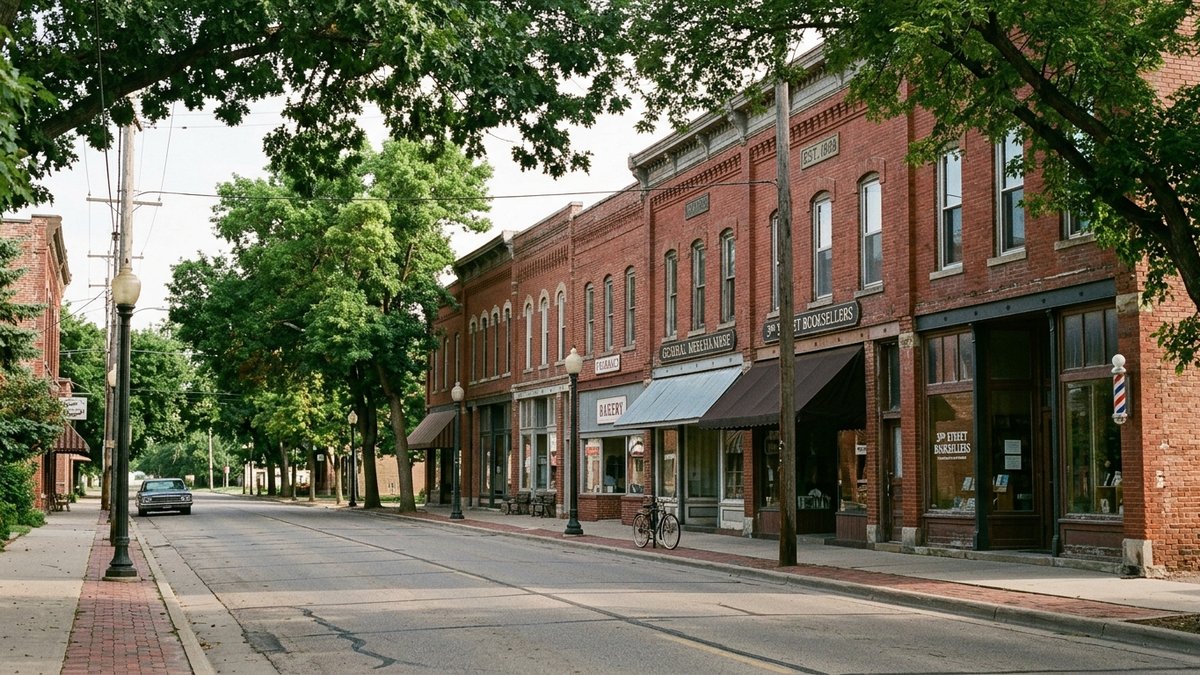
A downtown storefront needs different questions than a warehouse or office building. Property near residential use may need closer review of noise, traffic, hours, parking, and deliveries. If facade work is part of the plan, review city program information before counting assistance in your budget.
Ask each professional for a specific decision, not a general opinion. The lender should explain financing and reserve needs. The insurer should identify coverage concerns. The contractor should price the planned use. The attorney should review legal documents and contingencies. City staff should answer the questions within their authority.
Michelle’s role is to help you compare realistic options and keep the offer tied to the risk. Her local background and Yankton experience can help organize the property search, while the specialists address their parts of the transaction.
Before removing contingencies, hold a final go or no-go review. Confirm use, access, financing, insurance, major systems, improvement costs, and the backup exit. If those pieces do not work, a cheap building can become expensive. If they check out, you can move forward with clearer expectations.
Keep the final decision in writing. List the assumptions that make the purchase work and the evidence supporting each one. If an assumption is still based on hope, identify who can verify it and whether the deadline allows that work. That short review gives the team one shared picture of the deal.
How should you compare two commercial properties?
Compare total fit, not list price alone. Build one worksheet with the same categories for every property: permitted use, location, access, parking, visibility, building condition, improvement cost, financing, insurance, operating expense, opening timeline, and exit flexibility.
Start with non-negotiables. If the business needs loading access, a certain electrical service, customer parking, or room for expansion, mark those items before scoring finishes and flooring. A cheaper building that fails a core requirement is not the stronger option.
Next, estimate the cash and time needed to open. Include professional reviews, permits, construction, equipment, signs, deposits, and a reserve for delays. Separate confirmed quotes from estimates. A low purchase price can lose its advantage when the path to occupancy is longer or less certain.
Then compare ongoing operation. Think about customer convenience, employee access, deliveries, utilities, maintenance, insurance, and snow or grounds responsibilities. Those recurring factors can matter more than a one-time cosmetic upgrade.
Finally, consider the property without your exact business in it. Ask whether the layout, access, and improvements would appeal to another reasonable user. This does not predict resale, but it helps identify where a specialized plan creates extra risk.
Score the choices only after the factual checks are complete. A simple red, yellow, and green system works well. Red means the property does not meet a key need. Yellow means a professional answer or cost is still missing. Green means the item is verified and acceptable.
The best property is the one whose use, cost, timeline, and backup plan work together. That conclusion may favor a less polished building with stronger fundamentals or a higher-priced building that needs fewer changes. The worksheet makes that tradeoff visible before the offer becomes emotional.
Frequently Asked Questions
Does a prior tenant prove my use is allowed?
Not by itself. A prior tenant can give you a clue, but your planned use should still be checked with the City of Yankton, your attorney, and any other needed professional.
When should I check the Yankton zoning map?
Check zoning early, before you spend serious time on inspections or contractor bids. Zoning can affect allowed use, parking, signage, remodeling plans, and offer contingencies.
What should I ask before touring a commercial building?
Ask about zoning, permitted use, parking, signage, utilities, building permits, floodplain, storm water, access, and likely remodeling needs. Then decide which items need professional review.
Do Yankton city studies tell me what a property is worth?
The retail and housing studies can add useful market context, but they do not value one property. Use them to frame questions about demand, location, and future use.
Buyer Guides
Buy a Home in Yankton
The buyer service page for search help, offer strategy, and local guidance.
Open guideBuyer Guides
Yankton Buyer Guide
Step-by-step education for financing, inspections, offers, and closing.
Open guideBuyer Guides
Homes for Sale
Current inventory plus local search context by property type and area.
Open guide
About the Author
Michelle Maloney is the Broker/Owner of Maloney Real Estate in Yankton, South Dakota. She helps buyers and sellers understand the local market, compare their options, and make confident real estate decisions across Yankton and southeast South Dakota.
Sources
City of Yankton Planning and Zoning, City of Yankton Retail Study, City of Yankton Housing Study, City of Yankton Zoning Map.
Questions About the Yankton Market?
Ask Michelle's team about pricing, neighborhoods, timing, or your next move. No pitch, no pressure.