By Michelle Maloney, Broker/Owner, Maloney Real Estate · SD License #14315
What does a South Dakota home inspection usually cover?
A South Dakota home inspection usually looks at the visible condition of the home, not every hidden risk inside the walls. The South Dakota Real Estate Commission explains that inspections are part of a buyer’s due diligence, but they are not required by state law.
For most Yankton buyers, the main items are the roof, foundation, structure, electrical, plumbing, heating, cooling, moisture, drainage, and visible safety concerns. Those items matter because they can affect your repair budget, insurance questions, lender comfort, and closing plan.
The inspector is not there to pass or fail the house. The report is a decision tool. It helps you sort ordinary maintenance from problems that could change what you’re willing to pay or accept.
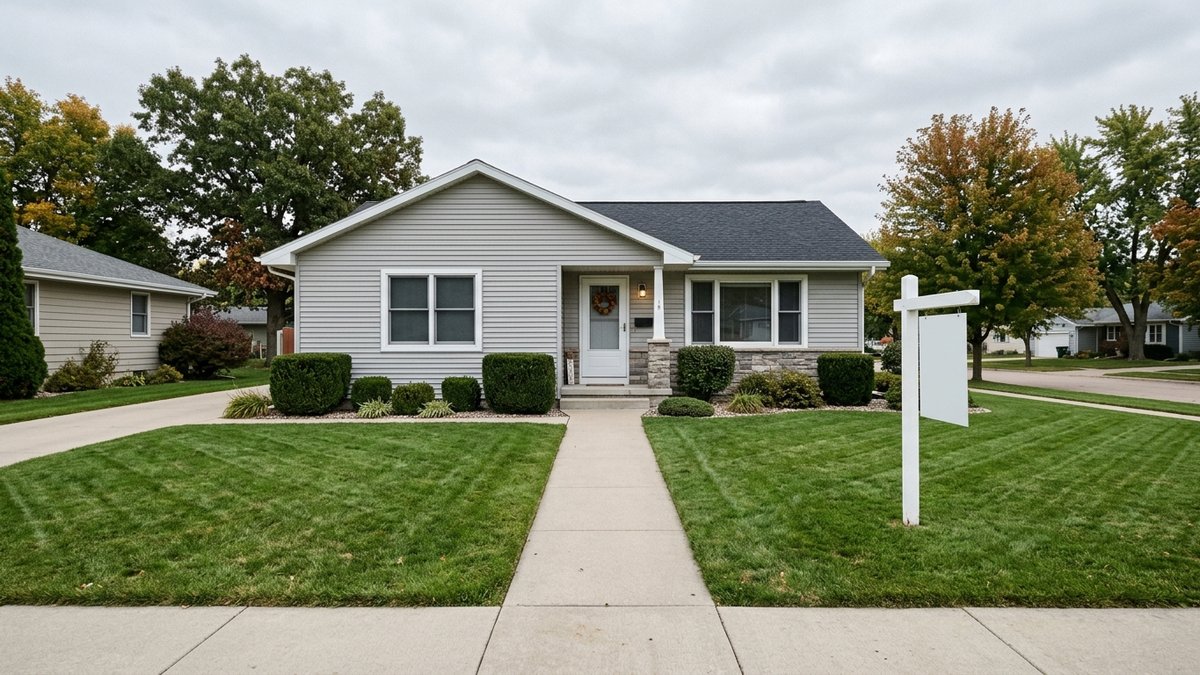
In town, that might mean older wiring, grading that sends water toward the foundation, a tired furnace, or a roof near the end of its service life. Around Lewis and Clark Lake or rural parts of southeast South Dakota, the checklist can widen. You may need separate attention on wells, septic systems, shoreline conditions, drainage, outbuildings, private roads, or buried utilities.
That wider property review is one reason your Yankton buying process should make room for inspection scheduling early. If the home has special systems, ask before you write the offer what inspections, tests, or specialist appointments may fit your timeline.
Inspection reports can look intimidating because they include photos and a long list of observations. Read them in order of risk. A loose handrail and a foundation crack do not belong in the same bucket. You want to know what is urgent, what is costly, and what can wait until after closing.
How much should you budget for an inspection?
Most buyers should plan on several hundred dollars for a standard inspection, then add more if the property needs extra tests. Houzeo’s South Dakota inspection guide cites about $450 as a typical ballpark, while the final cost can change by home size, age, and scope.
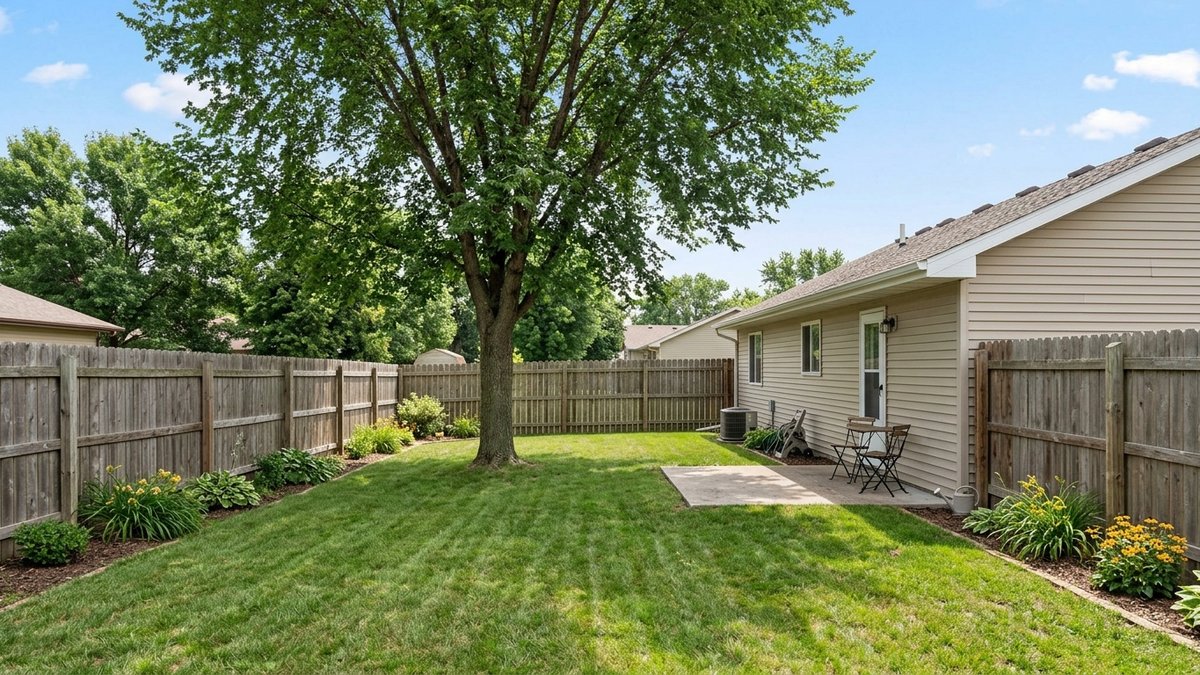
That number is only a starting point. A smaller in-town home may be less involved than an acreage with a well, septic system, shop building, and older mechanicals. Lake-area homes can also take more time when drainage, slope, retaining areas, or shoreline improvements need a closer look.
Ask what is included before you schedule. A standard home inspection may not include radon, pests, sewer scope, chimney, well water testing, septic inspection, mold testing, or detailed HVAC diagnostics. Those can be separate appointments with separate fees.
This is where your budget should match the property, not just the purchase price. A buyer looking at a newer Yankton subdivision home may need a different inspection plan than a buyer looking near Lewis and Clark Lake. A buyer comparing acreages outside town has another set of questions.
If you’re still sorting payment comfort, use a Yankton mortgage estimate before you add inspection and repair costs to the bigger picture. The inspection fee is paid before you own the home, so it needs to fit your cash plan.
Do not treat inspection cost as wasted money if the report changes your mind. Sometimes the value is knowing which repairs are normal. Sometimes the value is learning that the house needs more work than your budget allows.
What should you do when the report has problems?
Start by separating the report into three groups: safety, major systems, and ordinary maintenance. That keeps you from getting stuck on small items while missing the issue that could affect your next decision.
Safety items might include exposed wiring, missing handrails, active moisture, or a heating concern. Major systems include roof, foundation, plumbing, electrical, HVAC, septic, well, and structural items. Maintenance items are the smaller fixes many homes have, especially older homes.
Redfin’s South Dakota inspection guide notes that inspections are widely used even though they are not required. That fits what buyers often see here. The report becomes part of the conversation about repairs, credits, price, timing, or whether more professional review is needed.
Your response should match the market and the issue. In a tight Yankton price range, a seller may push back on a long list of small repairs. A serious roof, foundation, water, septic, or electrical concern usually deserves a more careful conversation.
A practical order helps:
- Ask the inspector to clarify anything you don’t understand.
- Get contractor, lender, insurance, or title input when the issue touches their work.
- Decide which items affect your willingness or ability to close.
- Put any repair or credit request in writing through the contract process.
- Keep cosmetic preferences out of the inspection request unless they were part of the agreement.
This is general real estate information, not legal, tax, lending, or financial advice. Verify contract, financing, title, insurance, and cost questions with your lender, title company, CPA, attorney, or insurance professional.
How are lake-area and rural inspections different?
Lake-area and rural inspections often have more moving parts because the property may depend on private systems. A home near Lewis and Clark Lake, a small acreage outside Yankton, or a rural property in southeast South Dakota can involve more than the house itself.
Look beyond the walls. Water source, septic condition, drainage, slope, shoreline improvements, outbuildings, driveways, and access can all affect ownership costs. The inspector may flag concerns, but you may still need separate professionals for wells, septic systems, shoreline work, insurance, or structural review.
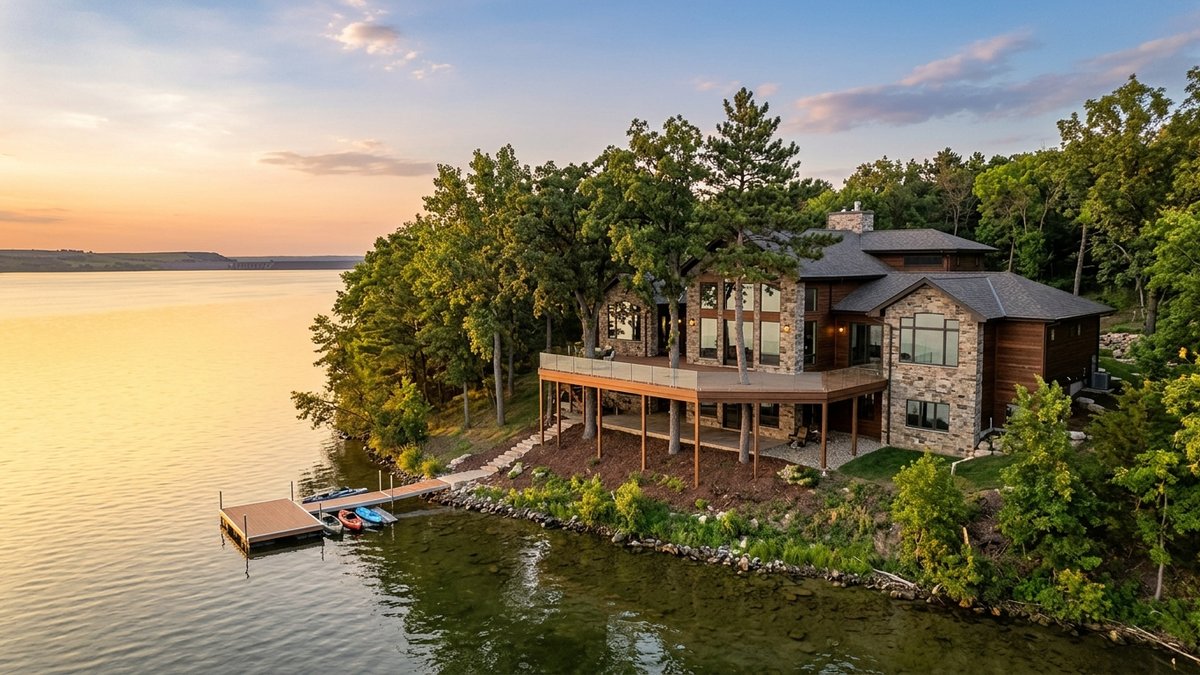
For example, a lake-area buyer may care about roof age and furnace condition, just like any buyer. But that buyer may also need to understand drainage toward the home, retaining features, dock or shoreline questions, and whether insurance has any special requirements.
Rural buyers should ask what the inspector can and cannot evaluate. A general home inspector may not test water quality, open a septic tank, scope a sewer line, or judge every outbuilding system. You want clear expectations before the deadline starts running.
This is also where local context matters. A buyer moving from Sioux Falls, Omaha, or the Twin Cities may be used to city utilities and city lots. A Yankton-area acreage or lake home can add ownership questions that are normal here, but new to you.
If your search includes both in-town houses and nearby acreage, compare the inspection plan before you compare only the list price. The right fit may depend on the follow-up costs you are comfortable carrying. The Lewis and Clark Lake living guide is a good place to frame those lifestyle and property questions.
When can inspection results change the deal?
Inspection results can change the deal when the issue affects price, repair cost, financing, insurance, or your comfort with the home. They do not always change the deal, and they do not guarantee a seller will agree to every request.
The Homes of Yankton inspection negotiation guide explains that local negotiations may involve repairs, credits, price adjustments, or contract flexibility. In tighter inventory periods, buyers may have less room to press small items. Major safety, structural, moisture, or system concerns still deserve attention.
The best request is specific. Instead of asking the seller to fix everything, focus on the items that affect closing or immediate ownership. If a lender or insurance professional needs an item addressed, say that clearly after you verify it with them.
Sellers should also pay attention before listing. If you know about an older roof, moisture concern, electrical issue, or septic question, deal with the strategy before showings begin. Your Yankton seller process should include a pricing and disclosure conversation, not just staging and photos.
Buyers should keep their own priorities clear. If the home fits your location, payment, and long-term plan, a repair issue may be solvable. If the report shows a cost you cannot carry, it may be better to pause than to force the purchase.
I walk clients through this by asking one plain question: does this finding change your decision, or does it just change your to-do list? That answer usually points to the next step.
Frequently Asked Questions
Are home inspections required in South Dakota?
No. The South Dakota Real Estate Commission treats inspections as a buyer due diligence step, not a state legal requirement. Many buyers still use them because the report can affect repair requests, financing questions, insurance questions, and closing comfort.
How long does a home inspection report take?
Many buyers receive the written report within a day or two after the inspection, but timing depends on the inspector and property. Ask about delivery time before you schedule, because your contract deadline may leave little room for delay.
Should I attend the inspection walkthrough?
Yes, if your inspector allows it and your schedule works. Being there helps you hear context that can be hard to read in photos later. It also gives you a better feel for which items are urgent and which are normal maintenance.
Can I ask the seller to make repairs after inspection?
Often, yes, but the seller does not have to agree to every request. Your options depend on your contract, the issue, your deadline, and the local market. Verify contract questions with your agent or attorney before you rely on a repair strategy.
Do lake homes near Yankton need extra inspections?
They may. Lake-area and rural homes can raise questions about wells, septic systems, drainage, shoreline improvements, outbuildings, and insurance. Ask early which specialists should be involved, because those appointments can take extra time.
Buyer Guides
Buy a Home in Yankton
The buyer service page for search help, offer strategy, and local guidance.
Open guideBuyer Guides
Yankton Buyer Guide
Step-by-step education for financing, inspections, offers, and closing.
Open guideBuyer Guides
Homes for Sale
Current inventory plus local search context by property type and area.
Open guide
About the Author
Michelle Maloney is the Broker/Owner of Maloney Real Estate in Yankton, South Dakota. She helps buyers and sellers understand the local market, compare their options, and make confident real estate decisions across Yankton and southeast South Dakota.
Sources
South Dakota Real Estate Commission Consumer Information, Home Inspection Issues in Yankton SD, Houzeo South Dakota Home Inspection Guide, Redfin South Dakota Home Inspection Guide, iBuyer South Dakota Home Inspection Cost Guide.
Questions About the Yankton Market?
Ask Michelle's team about pricing, neighborhoods, timing, or your next move. No pitch, no pressure.