By Michelle Maloney, Broker/Owner, Maloney Real Estate · SD License #14315
How much earnest money should you plan for in Yankton?
A practical starting point for earnest money in Yankton is often about 1% of the purchase price. South Dakota buyer guides describe earnest money as a negotiable deposit that often falls near that range. Those guides include Sudbeck Real Estate, The Kahler Team, Valente Realty, and Black Hills Property.
For a mid-range Yankton home, that can mean a deposit in the rough $2,000 to $5,000 range. A lower-priced home may use a flatter amount. A lake-area home, newer construction option, acreage, or especially competitive listing may call for more.
That doesn’t mean every offer needs the same number. You want the amount to say, “I’m serious,” without putting more cash at risk than makes sense for your file.
If you’re just starting your Yankton buyer process, ask about earnest money before you write the offer. You don’t want to win a house on Tuesday and then scramble to move funds by Wednesday.
The deposit also needs to fit the rest of your offer. A clean offer with a realistic closing date may not need the same deposit as an offer with a home sale contingency. A cash buyer may use earnest money differently than a buyer using FHA, VA, conventional, or rural development financing.
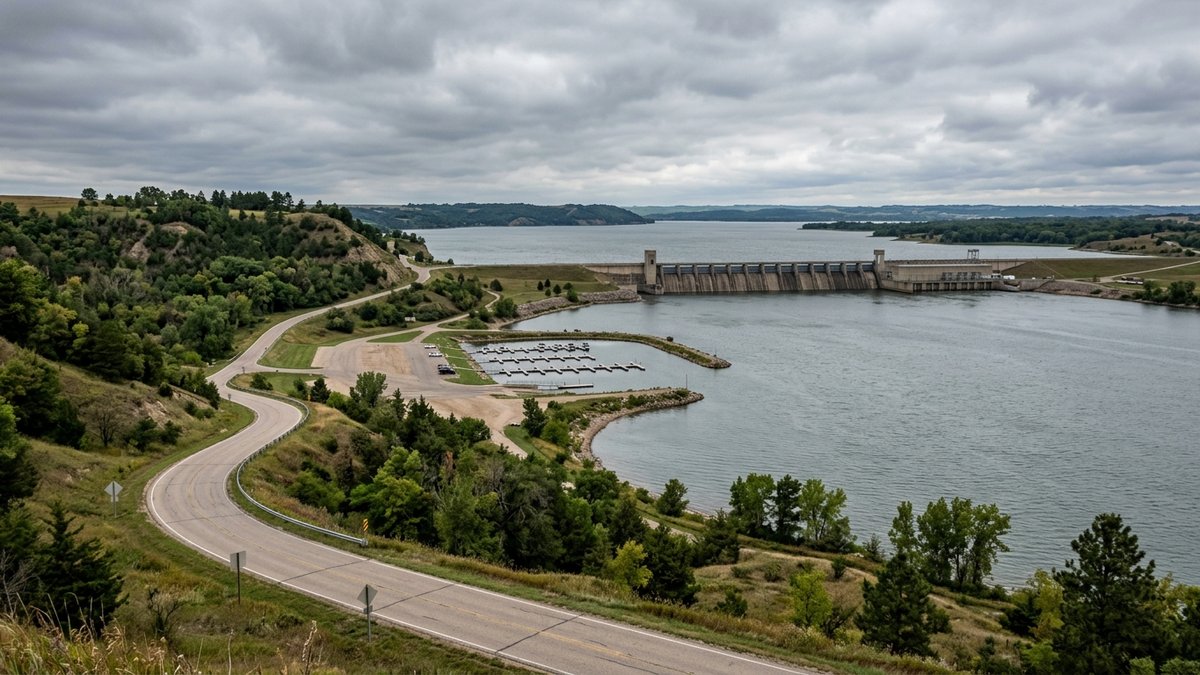
Local context matters. A home in town near daily services may draw a different buyer pool than a Lewis and Clark Lake property. An acreage outside Yankton can bring extra questions about wells, septic, surveys, and loan timing.
Here is the plain rule I use with buyers. Set the deposit high enough to support the offer. But don’t set it so high that you stop thinking clearly about inspections, financing, title work, and deadlines.
What does earnest money do for your offer?
Earnest money tells the seller you have real skin in the transaction. It is not an extra fee if the purchase closes. In a typical transaction, the deposit is credited back to you at closing and becomes part of your funds for the purchase.
The seller is looking for more than price. They are also judging whether the buyer will follow through. Earnest money is one piece of that signal.
In a slower situation, a standard deposit may be enough. If a Yankton listing has been sitting for a while, the seller may care more about inspection terms, financing strength, and closing date. If a well-priced home draws quick activity, the deposit can carry more weight.
That shows up most clearly when buyers compete for the same home. Imagine two similar offers on a home in Garden Estates, Fox Run, or another in-town area with limited active inventory. If one buyer offers a small deposit and another offers a stronger one, the seller may read the stronger deposit as a firmer commitment.
Price still matters. Terms matter too. Earnest money does not make a weak offer magically strong.
The deposit can help when it lines up with the rest of the file:
- Your lender letter is current and matches the offer price.
- Your inspection timeline is clear and reasonable.
- Your closing date works for the seller.
- Your funds are ready before the deadline.
- Your contingencies are written with care.
If you’re comparing homes and payment comfort at the same time, use the mortgage payment estimator early. Earnest money is only one cash item. You still need to plan for inspections, appraisal costs when applicable, down payment funds, closing costs, moving expenses, and any reserves your lender wants.
When do you pay earnest money after an accepted offer?
Most buyers need to deliver earnest money soon after the purchase agreement is accepted. The exact deadline should be written in the contract, so read that line before you sign.
In many South Dakota transactions, the deposit is held by a title or closing company, a broker trust account, or another agreed escrow holder. The Opendoor earnest money guide explains the same idea: the money is held while the transaction moves toward closing.
That escrow step matters. You should know where the money goes, how to deliver it, and what form of payment is accepted. A personal check may work in some cases. Other files may require wired funds, cashier’s check, or another method.
Verify instructions before sending money. Wire fraud is real in real estate, and buyers should confirm wiring instructions by calling a trusted phone number. Don’t use a phone number pulled only from a new email thread.
Timing can also affect offer strength. If you can deliver earnest money quickly, that may give the seller more confidence. If your funds need to be transferred from another bank or gift source, plan before you offer.
This is where relocation buyers can get caught. If you’re moving from Omaha, Sioux City, Rochester, or the Twin Cities, your funds may sit in an out-of-state account. That is not a problem by itself. Know transfer limits and bank timing before the contract clock starts.
Build that into your relocation planning for Yankton. The same trip where you compare neighborhoods, commute routes, and lake-area options is also a good time to talk through the cash you’ll need ready.
Can you lose earnest money in South Dakota?
You may be able to lose earnest money if you miss a contract deadline or cancel outside your agreed protections. The same concern can apply if you fail to close for a reason the contract does not protect. The exact answer depends on the purchase agreement and your facts.
This is general real estate information, not legal, tax, lending, or financial advice. Verify this with your lender, title company, CPA, attorney, or insurance professional when it applies to your situation.
Buyers often focus on the deposit amount first. I want you to focus just as much on the deadlines tied to that deposit.
Common risk points include inspection timing, financing approval, appraisal language, title review, insurance questions, and closing date. If you need to cancel, the reason and timing matter.
A home inspection is a good example. If the agreement gives you an inspection period, you need to complete inspections and respond within that window. A late inspection decision can create a much different conversation than an on-time one.
The same idea applies to financing. If your lender needs documents, respond quickly. If your loan depends on a property condition, appraisal result, employment update, or source of funds, don’t let those issues sit.
Rural and lake-area properties can add extra checks. Around Lewis and Clark Lake or on acreages near Yankton, buyers may need to ask about private roads, wells, septic systems, flood insurance, shoreline rules, or association documents. Those items should be handled through the right inspection, title, lending, and insurance channels.
That does not mean you should be afraid of earnest money. It means you should treat it like a serious deadline system. A good offer protects your ability to investigate the property while still showing the seller you intend to close.
How do you choose the right deposit for your offer?
Start with the house, then look at the market around it. A one-size deposit does not work well in Yankton because the buyer pool changes by property type.
An in-town starter home may attract first-time buyers watching monthly payment closely. A newer home in an established subdivision may draw buyers who can act faster. A Lewis and Clark Lake property may bring second-home buyers, relocation buyers, or people waiting for a specific view, access, or lot.
The deposit should fit that competitive setting. It should also fit your cash plan.
Before you choose a number, ask these questions:
- How many similar homes are available right now?
- Is the seller likely to receive more than one offer?
- How strong is your lender letter?
- Do you need a home sale contingency?
- How much cash do you need for inspections and closing?
- What deadlines protect your deposit?
If your budget is still in motion, the affordability calculator can help you see the bigger picture. You need more than the deposit in the bank. You need enough cash to keep the purchase comfortable.
The right earnest money number also depends on how badly you want that specific property. If the home checks rare boxes, you may decide a stronger deposit is worth it. If the home is one of several good options, you may not need to stretch.
That is a local judgment call. I would rather help you write an offer that fits the property than chase a number that sounded right online.
For most Yankton buyers, the best answer is prepared, not flashy. Have your deposit ready, understand the contract deadlines, and choose an amount that supports the offer.
Frequently Asked Questions
Is earnest money required to buy a home in Yankton?
There is not one fixed earnest money amount for every South Dakota purchase. In practice, many sellers expect some deposit because it shows commitment. The amount is negotiated in the offer and should match the property, price point, and terms.
Who holds earnest money in a South Dakota home purchase?
Earnest money is commonly held by a title or closing company, a broker trust account, or another escrow holder named in the agreement. Your contract should identify where the money goes and when it is due. Confirm payment instructions before sending funds.
Does earnest money count toward my down payment?
If the transaction closes, earnest money is usually credited to you at closing. It can reduce the amount you still need to bring for down payment and closing costs. Ask your lender and title company how it will appear on your closing statement.
Should I offer more earnest money in a multiple-offer situation?
A higher deposit can help show commitment, especially when several buyers want the same Yankton home. It should still fit your contract protections and cash plan. Do not raise earnest money without understanding the inspection, financing, appraisal, title, and closing deadlines.
Buyer Guides
Buy a Home in Yankton
The buyer service page for search help, offer strategy, and local guidance.
Open guideBuyer Guides
Yankton Buyer Guide
Step-by-step education for financing, inspections, offers, and closing.
Open guideBuyer Guides
Homes for Sale
Current inventory plus local search context by property type and area.
Open guide
About the Author
Michelle Maloney is the Broker/Owner of Maloney Real Estate in Yankton, South Dakota. She helps buyers and sellers understand the local market, compare their options, and make confident real estate decisions across Yankton and southeast South Dakota.
Sources
Sudbeck Real Estate: Earnest Money in Spearfish, The Kahler Team: Earnest Money Explained for Rapid City Buyers, Valente Realty: Earnest Money Explained for Sturgis Buyers, Black Hills Property: Earnest Money in Hot Springs, Opendoor: Earnest Money Guide.
Questions About the Yankton Market?
Ask Michelle's team about pricing, neighborhoods, timing, or your next move. No pitch, no pressure.