By Michelle Maloney, Broker/Owner, Maloney Real Estate · SD License #14315
What should you ask about drainage before buying near Yankton?
Start by asking where water has collected, whether it has entered the house, and what has been done to move it away from the structure. Then ask for enough detail to understand the answer. If a seller mentions grading, drain tile, a sump pump, new gutters, buried downspout lines, or a past repair, ask when the work was done, what problem it addressed, and whether records are available. The goal is not to turn a showing into an engineering inspection. It is to decide whether the answer gives you a clear next question before you rely on it.
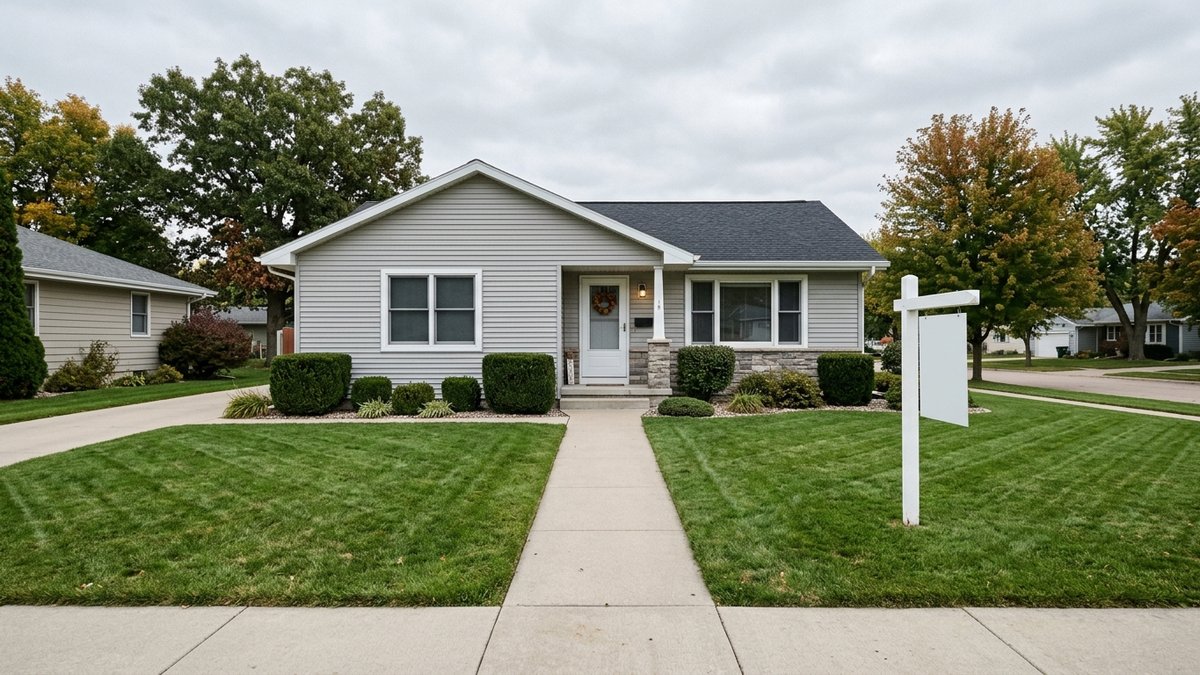
For buyers looking at homes for sale in Yankton, drainage is usually a property-specific issue. One house may have a low spot in the yard, a downspout that ends near the foundation, or a driveway that directs runoff toward a garage. Another may have none of those concerns. A nearby home, a general neighborhood description, or a listing photo cannot settle the question for the address you are considering.
Keep the questions in three buckets. Ask about the home’s water history. Ask how water moves across the lot and away from the house. Ask what documents, observations, or professional review can help confirm the answer. That keeps the conversation useful without assuming that any one feature proves a problem or that a visible improvement solved every concern.
How can the South Dakota seller disclosure guide your questions?
South Dakota’s property condition disclosure form gives buyers a practical starting point because it asks sellers about several water and drainage subjects. The form includes questions about water remaining in the front, rear, or side yard for more than 48 hours, floodplain location, water penetration in walls, windows, doors, basements, or crawl spaces, and water-related repairs. It also asks about drain tile, past flood damage, insurance claims, sewer blockage or backup, and certain drainage or runoff from a sewer, septic tank, storage tank, or drain.
Read those answers as a prompt for follow-up, not as a substitute for evaluating the property. The form says it reflects the seller’s knowledge, is not a warranty, and is not a substitute for inspections or other warranties. If an answer is yes, do not know, or needs explanation, ask what happened, when it happened, what was repaired, and whether there are invoices, permits, reports, photos, or other records that help explain the history.
That distinction matters when buying a home in Yankton SD. A disclosure can help you identify what needs a closer look, but it cannot tell you whether a past issue will affect this property’s current condition. Keep the actual form and any supporting material with the rest of your property notes so you can compare it with what you see during a visit and what an inspector observes.
What should you look for while you are at the property?
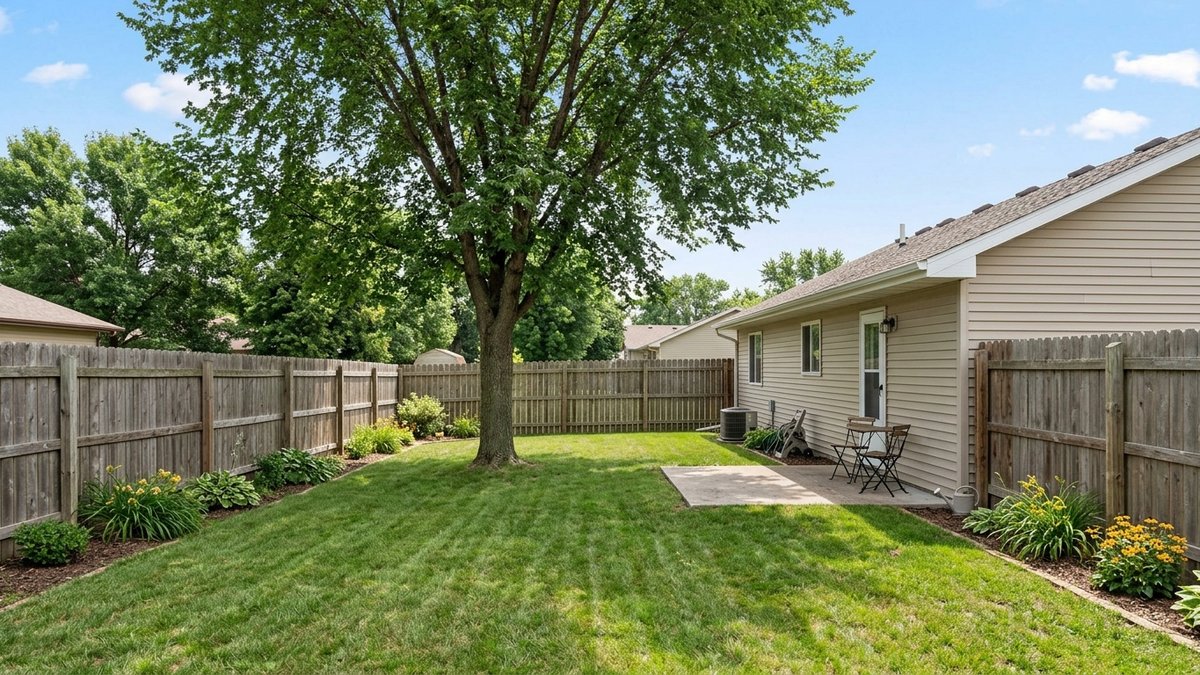
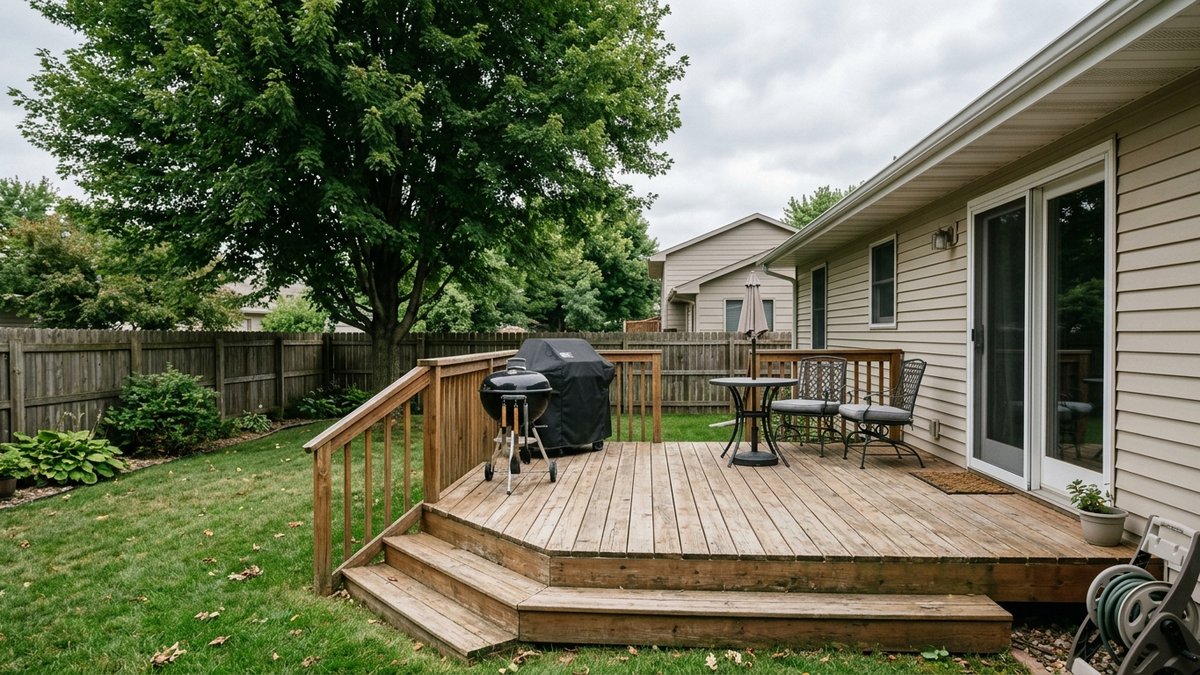
Use the showing to trace a simple water path. Look at where roof runoff appears to leave the house, where the yard slopes near the foundation, and whether sidewalks, patios, driveways, or landscaping appear to direct water toward or away from the structure. If you see a sump-pump discharge, a drain inlet, a swale, a retaining wall, or a buried downspout outlet, ask what it serves and where it sends water. A feature is not automatically good or bad. It is a reason to understand how that property’s drainage is intended to work.
Inside, note questions rather than drawing a conclusion from one mark or material. Staining, repaired wall areas, a musty odor, patched concrete, or a dehumidifier may have an ordinary explanation, a past repair, or a condition that needs more review. Ask the seller or listing side for the property’s history and then let the appropriate professional evaluate observable conditions within their scope. That is more useful than trying to diagnose a foundation, sewer, or drainage system during a showing.
This same approach works for a house in town, a rural home, or acreage near Yankton. The water source, sewer arrangement, lot layout, and nearby land can change the questions, but the buyer’s job remains the same: identify what you need to understand about this property before your inspection and transaction deadlines pass.
Is the property in a mapped floodplain or another local drainage area?
For a property inside the City of Yankton, use the address to check the flood-map resources identified by the city. The City of Yankton participates in FEMA’s National Flood Insurance Program and directs address searches to FEMA’s National Flood Hazard Layer. Its current Flood Insurance Rate Maps and Flood Insurance Study are dated July 6, 2010. A map search is useful because it is tied to a location, not a general impression of the neighborhood.
Treat a map result as one part of the property review. It may raise a question about floodplain context, but it does not answer every yard-drainage, roof-runoff, foundation, sewer, or surface-water question. Ask the relevant local authority about an address-specific question when you need clarification on a city record or local floodplain process. For a home outside city limits, start with the county or other local authority that has responsibility for that property rather than assuming city information applies.
This is one reason a buyer should not collapse every water question into the phrase floodplain. A property can have a drainage concern that is separate from a mapped floodplain question, and a map question can need follow-up even when the yard looks dry on the day of a showing. Keep each question tied to the record, location, or condition it actually concerns.
What can a home inspection tell you about drainage?
A South Dakota home inspection is a visual inspection and written evaluation of observable components. The South Dakota Real Estate Commission explains that inspectors do not perform invasive procedures and that a structural engineering evaluation is different from a home inspection. That makes the inspection period an important time to be specific about your concern. Tell the inspector that drainage, water history, or a visible condition is a priority so you can understand what they can observe and what falls outside their scope.
An inspector may help you identify observable conditions involving the foundation, exterior, roof, plumbing, or other components. If the inspection raises a more focused question, the next review may belong with a qualified drainage, foundation, sewer, septic, engineering, or other specialist, depending on the issue. The right professional is determined by the actual concern, not by a generic checklist.
Keep the transaction process separate from the property evaluation. A report can give you information about conditions an inspector observed. Questions about how an inspection result affects an offer, contingency, deadline, or document should be handled through the appropriate real estate, legal, title, lending, or other qualified professional for that specific question. The South Dakota home inspection guide offers more general context on what an inspection can cover.
A four-part drainage review before you rely on an answer
Use a four-part review to keep the next step clear. First, read the seller disclosure for the water and drainage questions that apply to the property. Second, make a short list during the showing of features or conditions you want explained, such as drainage outlets, grading, water-entry history, or a past repair. Third, use an address-specific map search and local authority when you have a floodplain or local-record question. Fourth, use the inspection period to get the right professional review for any concern that remains.
This framework helps you avoid two common mistakes. The first is accepting a broad reassurance without asking what it is based on. The second is assuming that one detail, such as a sump pump or a flood-map result, settles every water question. A careful buyer separates the disclosure, the site observations, the map context, and the professional review. That gives you a clearer picture of what you know, what you still need to ask, and who can answer the next question.
If you are comparing homes for sale in Yankton or southeast South Dakota, Michelle Maloney can help you keep the property questions, showing notes, and next real estate steps organized around the home you are considering. The related links include the Yankton buyer guide and contact page when you are ready to discuss your search.
Frequently Asked Questions
Does a seller disclosure prove that a home has no drainage issues?
No. The South Dakota form reflects the seller's knowledge and says it is not a warranty or a substitute for inspections or other warranties. Use it to identify follow-up questions for the specific property.
Should I check a flood map for a home in Yankton?
For an in-city address, the City of Yankton directs buyers to FEMA flood-map resources. Use an address-specific search and ask the relevant local authority if you need clarification about a property record or local process.
Can a home inspector diagnose every drainage concern?
A home inspection is visual and noninvasive. An inspector can evaluate observable conditions within the inspection scope, but a focused concern may call for another qualified professional.
What records should I ask about after a drainage repair is disclosed?
Ask what work was done, when it was completed, what issue it addressed, and whether there are invoices, permits, reports, photos, or other records that help explain the property's history.
Buyer Guides
Buy a Home in Yankton
The buyer service page for search help, offer strategy, and local guidance.
Open guideBuyer Guides
Yankton Buyer Guide
Step-by-step education for financing, inspections, offers, and closing.
Open guideBuyer Guides
Homes for Sale
Current inventory plus local search context by property type and area.
Open guide
About the Author
Michelle Maloney is the Broker/Owner of Maloney Real Estate in Yankton, South Dakota. She helps buyers and sellers understand the local market, compare their options, and make confident real estate decisions across Yankton and southeast South Dakota.
Sources
South Dakota Codified Law 43-4-44, Property Condition Disclosure Statement, City of Yankton Floodplain Information, FEMA Flood Map Service Center, South Dakota Real Estate Commission Consumer Information.
Questions About the Yankton Market?
Ask Michelle's team about pricing, neighborhoods, timing, or your next move. No pitch, no pressure.