By Michelle Maloney, Broker/Owner, Maloney Real Estate · SD License #14315
Who is responsible for the sidewalk in front of a Yankton home?
You are, once you own it. Yankton’s code makes the property owner responsible for keeping every sidewalk next to the property in a safe, unobstructed and passable condition.
The sidewalk sits on public property or a sidewalk easement, so it’s easy to assume the city keeps it up. In Yankton the owner carries the upkeep, and South Dakota law puts the repair of an adjoining sidewalk on the owner too.
So treat a cracked, heaved or crumbling sidewalk in front of a house you like as a repair that comes with the house. Count it the way you’d count an old water heater or a tired roof. If it needs work, that work becomes yours at closing.
Corner lots usually mean more of it. A house with two street frontages often has two runs of sidewalk to keep up. The corner lot checklist for Yankton buyers covers the other trade-offs on those lots, from yard use to snow.
A rough sidewalk is no reason to skip a house you like. Know what you’re taking on before you write the offer, and price it in.
What should you look for on the sidewalk during a showing?
Walk it, don’t just drive past it. Give the sidewalk the same two minutes you’d give the driveway or the front steps, and look for anything that would catch the foot of someone who isn’t watching where they step.
Start with the joints. Look for slabs that have lifted or dropped so one edge sits higher than the next. A raised edge is the kind of defect that keeps a walk from being safe and passable. Look closely where tree roots run near the walk, and where the slabs meet the driveway.
Then look at the surface. Note wide cracks, broken corners, crumbling patches and low spots where water sits after rain. Take photos so you can compare houses later, and so you can show a contractor what you saw. If you’re buying from out of town, have your agent walk the full frontage on a video call and point the camera at each joint and every spot where the slabs meet the driveway.
Ask the seller two direct questions. Has the city ever contacted them about the sidewalk? Have they replaced any sections, and do they have the permit and receipt? If a seller replaced a run of sidewalk, they should be able to tell you when and who did the work.
Write down what you see. If the sidewalk needs work, you have a few choices. You can ask for a repair, ask for a credit, adjust your offer or accept it as is. Which one makes sense depends on the rest of the house and the market you’re buying in. Bring it up with your agent before the offer, not after the inspection.
Can the city add a sidewalk to a block that has none?
It can, under the city’s rules. A lot without a sidewalk can be required to add one. The rules are in Chapter 21 of the city code.
On an established block, the decision runs through the city commission. Owners get at least 10 days’ notice before a public hearing, and at the hearing they can speak and object. State law sets the same kind of notice and hearing steps before a city requires a new sidewalk.
If a sidewalk is ordered and an owner doesn’t build it in the required way and time, the city can have it installed and assess the cost against the owner. State law gives cities the same tool. For a buyer, a block with no sidewalk today could one day bring an order to build one, with the cost assessed to whoever owns the lot.
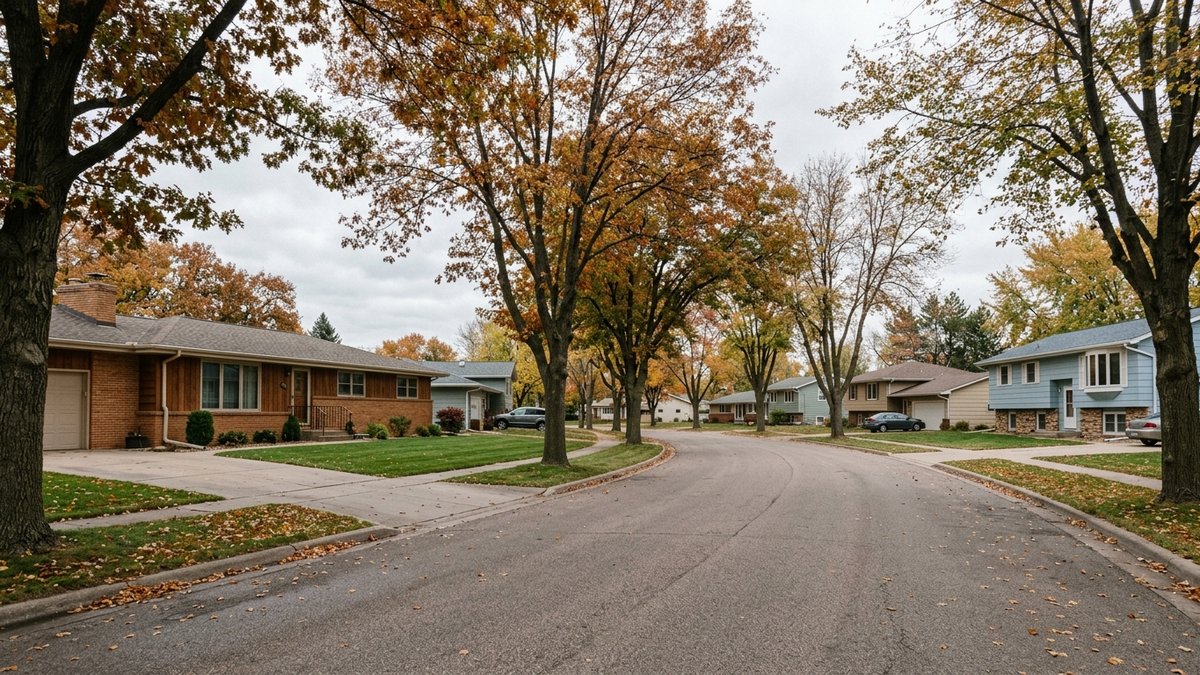
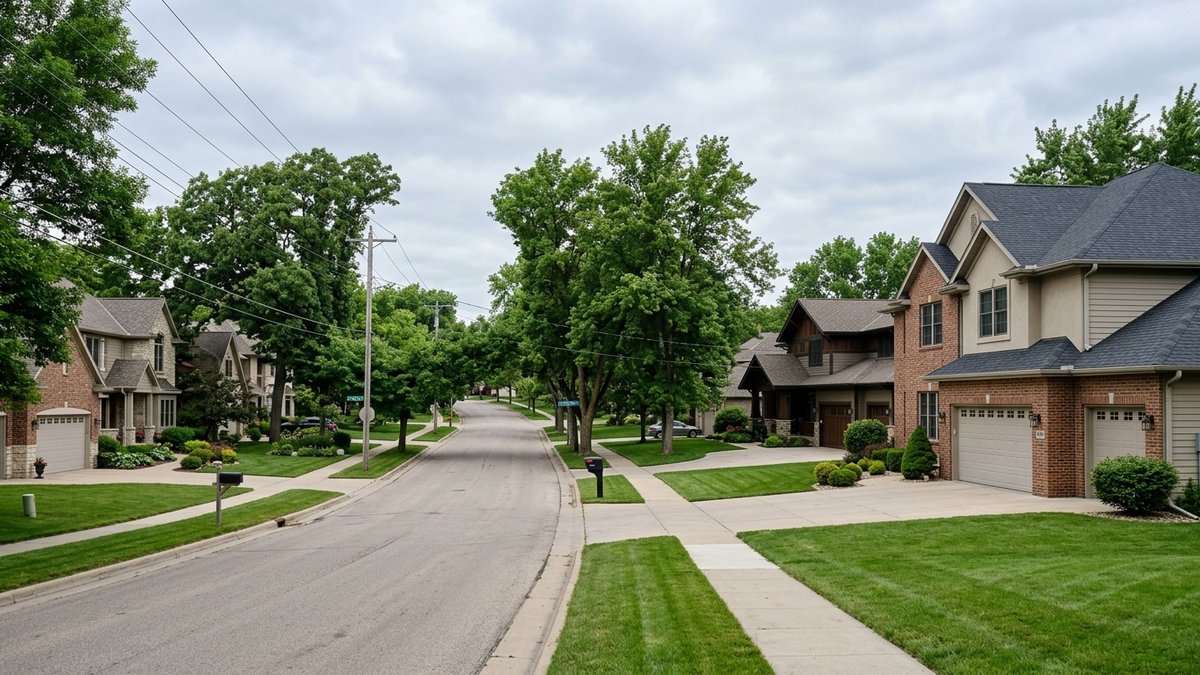
Read the block while you’re there. Walk to each corner and look at what the neighbors have. A block where some lots have a sidewalk and others don’t is a block where the question has a reason to come up. A street where the walk stops partway, or picks up again on the next block, tells you the same thing. Notice whether the walk on the other side of the street runs the full length of the block. None of that predicts what the city will do, but it tells you which questions are worth asking.
Before you commit, ask the city which of its sidewalk rules cover the house you’re considering, whether any sidewalk hearing or order is pending for that block, and how the cost would be handled if one went ahead. Then decide with that answer in hand.
If you’re comparing a house on a block with sidewalks against one on a block without, put the difference on paper. One already has the walk and the upkeep that comes with it. The other may stay as it is or may one day get a sidewalk you’d help pay for.
Do you need a permit to fix or replace a sidewalk or driveway?
Plan on it. Yankton’s code requires a permit from the city before any sidewalk or driveway, or any part of one, is constructed, and the city’s permit forms include a Sidewalk and Driveway Permit Application. The work has to meet the city’s specifications.
That matters in two ways. If you plan to replace a broken section after closing, build the permit and the inspection into your timeline. Once the work is done, keep the permit and the receipt with your closing papers, so you can answer the same questions for your own buyer someday.
It also matters for work the seller already did. Ask whether the work was permitted and approved, and ask for the permit and the contractor’s name. A sidewalk or driveway that went in without a permit is a question to settle before closing, while the seller can still answer it.
State law lets cities set sidewalk width and material by ordinance, and Yankton does. So a replacement isn’t a do-it-however-you-like project. The specifications cover things like width and material, and they apply to the spot in front of your house.
If you’re thinking about bigger changes, like widening a driveway or adding onto the garage, ask the city’s public works department before you buy what sidewalk and driveway work that project would involve, and how long permits take in the season you’d build.
What happens when the city does the sidewalk work instead?
You can end up with a special assessment. When the city does sidewalk work an owner was supposed to do, the code and state law let it charge the cost back.
Snow removal is a clear example. Yankton gives owners 24 hours after a snowfall ends to clear the public sidewalk next to their property. If an owner doesn’t, the city can have the snow removed, charge the cost against the property and collect it as a special assessment. State law gives cities the power to require snow removal and to recover the cost that way.
For a buyer, that’s the reason to ask before you close. City charges for sidewalk work can be assessed against the property. Ask the title company to check the property for special assessments, including any sidewalk or snow-removal charges for that address, and talk with your agent about who pays them before closing.
If the house you’re buying comes with a long frontage, a corner or a block that might get a new sidewalk, those questions carry more weight. For how assessments fit into the rest of your ownership costs, the Yankton County property tax guide is a good next read. If you’re still comparing homes, start from the Yankton homes for sale page and add a sidewalk walk to every showing.
Frequently Asked Questions
Am I responsible for the public sidewalk in front of my Yankton house?
Yes. Yankton's code puts the owner in charge of keeping adjacent sidewalks safe, unobstructed and passable, and South Dakota law also makes keeping an adjoining sidewalk in repair the owner's job.
Can the city make me add a sidewalk where there isn't one?
It can, under the city's rules, so ask the city which rules apply to the lot. On an established block, the city's procedure includes at least 10 days' notice and a public hearing. If a sidewalk is ordered and not built, the city can install it and assess the cost against the owner.
Do I need a permit to replace a cracked sidewalk or driveway?
Plan on it. Yankton's code requires a permit from the city before any sidewalk or driveway, or any part of one, is constructed, and the work has to meet the city's specifications. Ask the public works department about smaller patches.
How fast do I have to clear snow from a Yankton sidewalk?
Within 24 hours after the snow stops. If you don't, the city can clear it, charge the cost against the property and collect it as a special assessment.
How do I find out about assessments before closing?
Ask the title company to check the property for special assessments, including any sidewalk or snow-removal charges for that address.
Buyer Guides
Buy a Home in Yankton
The buyer service page for search help, offer strategy, and local guidance.
Open guideBuyer Guides
Yankton Buyer Guide
Step-by-step education for financing, inspections, offers, and closing.
Open guideBuyer Guides
Homes for Sale
Current inventory plus local search context by property type and area.
Open guide
About the Author
Michelle Maloney is the Broker/Owner of Maloney Real Estate in Yankton, South Dakota. She helps buyers and sellers understand the local market, compare their options, and make confident real estate decisions across Yankton and southeast South Dakota.
Sources
City of Yankton Municipal Code, Chapter 21, Article III Sidewalk and Driveway Construction and Repair, City of Yankton Municipal Code, Chapter 21, Article I (Section 21-1 Removal of Snow and Ice), South Dakota Codified Laws Chapter 9-46, Sidewalk Improvements, South Dakota Codified Laws 9-30-5, Snow Removal by Special Assessment, City of Yankton, Sidewalk Snow and Ice Removal, City of Yankton, Building Services and Permits.
Questions About the Yankton Market?
Ask Michelle's team about pricing, neighborhoods, timing, or your next move. No pitch, no pressure.