By Michelle Maloney, Broker/Owner, Maloney Real Estate · SD License #14315
What space are you actually comparing in the Yankton listing?
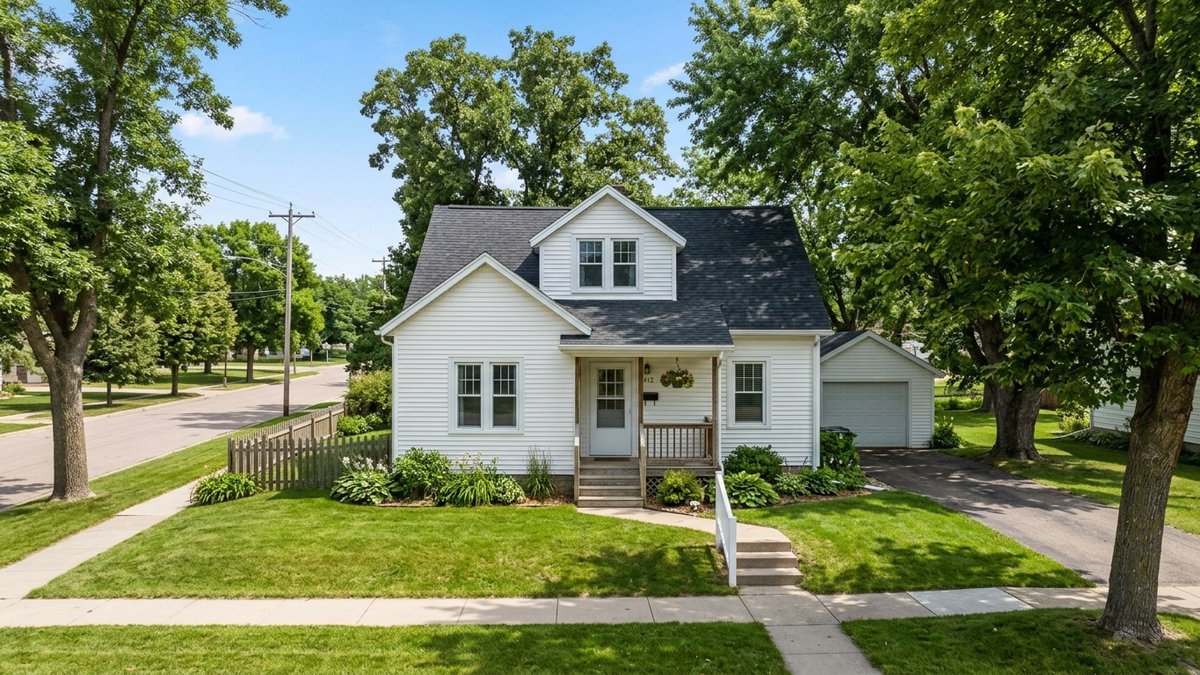
Start with the attic’s documented measurement and your intended use. A listing’s total square footage, a floor-plan outline and the space where you can comfortably stand may tell you different things. Ask which source supplied the listing figure, when it was measured and how the attic appears in that calculation. Keep the answer with the listing so you can compare it with the next home.
Walk the room before assigning it a job. Picture the furniture you would need, where you would stand and how you would reach the storage. A desk beneath a roof slope may work differently from a bed that needs access on both sides. A wide floor does not automatically give you a wide area for standing, moving or placing tall furniture. Bring your own room requirements to the showing.
For your Yankton search, compare the rooms you can already rely on separately from the attic. If you need a bedroom, make that need explicit. Ask who can confirm the room’s permitted use and what documents support the description. If you want occasional hobby space, write down that different purpose. Avoid letting a broad label such as bonus room answer a more specific question.
Ask for a sketch that distinguishes the attic from the rest of the house. Note low edges, stairs and any unfinished route to the room. Then ask how those features affect the reported area. You are collecting questions for the person doing the measurement, rather than deciding the reporting category from a photograph.
This also sharpens a comparison between two southeast South Dakota homes. One might meet your needs using ordinary finished rooms alone. Another might meet them only if the attic works as you hope. Those are different starting points even when their listing totals look similar. The one-level and multi-level home comparison helps you examine the daily layout after you identify which rooms belong in each comparison.
How do sloped ceilings affect reported finished area?
Sloped ceilings can change the area reported in an appraisal. Fannie Mae’s property-measuring guidance, updated September 4, 2025, describes the ANSI measurement standard used for applicable appraisal assignments. It says that finished areas generally have at least seven-foot ceilings. In a sloped-ceiling room, at least half of the finished square footage must reach seven feet, and floor area below five feet is excluded from finished area.
Use that distinction to request the measurement basis, rather than trying to certify the room yourself. Ask where the height boundaries fall on the sketch and whether the reported area includes low edges you cannot use as ordinary standing space. Ask the lender which measurement and reporting requirements apply to your appraisal assignment. The guidance does not establish a universal rule for every loan or every local building decision.
A separate reporting category also does not settle the attic’s value. Fannie Mae’s Selling Guide calls for separate reporting of nonstandard finished area and recognition of any contribution it makes. The appraiser evaluates market evidence. You cannot infer a dollar amount from the floor area alone, and you should not assume that separately reported space contributes nothing.
Keep the measurement conversation focused. Request the source of the figure, the relevant sketch and an explanation of any difference between the listing and the appraisal. You do not need to turn that difference into an accusation. You need to understand what each figure describes before comparing the property with another home.
For example, you might like an attic reading room even if part of its floor is too low to be counted as standard finished area. That is your practical preference. The appraisal category is a different question. Keep both answers visible instead of converting your enthusiasm for the room into a claim about its measured size or market value.
Which records should you request for the finished attic?
Request the attic’s alteration history and any available plans, permits, inspection records and contractor documentation. Ask when the space was finished, what work was done and whether the current owner completed it. If the seller inherited the finished space from a previous owner, find out which records remain available. A missing document is a question to investigate, not a conclusion about the work.
Match each record to what you see. A project description for flooring and paint may not explain a new stair, bathroom, dormer or heating system. Ask whether the available documents cover the actual features that matter to your proposed use. An invoice can identify a contractor or a scope of work, but it should not be treated as the answer to every approval question.
For an in-town Yankton property, ask the building authority responsible for the address about the record set and intended room use. For a rural or lake-area address, first confirm which authority has jurisdiction. Keep that inquiry specific to the property. Do not carry an answer about one address into another purchase or assume that a South Dakota answer applies to property across the Nebraska border.
South Dakota’s property condition disclosure form includes questions about ceiling or attic insulation, roof leakage and roof repairs. Read the seller’s answers alongside the work history. Ask for clarification when an answer raises a concern about the attic. The form describes the seller’s knowledge and says it is not a warranty or a substitute for an inspection.
If you are considering another change after closing, describe it before you request a professional opinion. Adding a bathroom, changing access or using the space for sleeping creates different questions from keeping it as it is. Ask the relevant official and qualified professional what they need to review. The historic-home questions guide provides additional context when designation or preservation review is part of the property’s record.
Can the attic support the way you plan to use it?
Have the attic evaluated for the use you are considering, with clear limits on what the inspection can answer. The South Dakota Real Estate Commission describes a home inspection as a visual inspection and written evaluation of observable components. It distinguishes that work from structural engineering and from an appraisal. Ask your inspector which attic questions are within the inspection scope and which need another professional.
During the showing, note the stair route, headroom, handrails, windows and room access. Ask a qualified inspector or building official about concerns affecting safe use or sleeping-room suitability. Do not decide that a window is an acceptable exit because it looks large, or that a stair is suitable because you can climb it. Take photographs with permission and make the concern specific.
Comfort deserves its own questions. Ask how the attic is heated and cooled, whether the equipment serves that room and what documentation describes insulation or related work. Ask the seller how the space has been used through different seasons. A pleasant showing is useful, but it is only a visit. If year-round use matters to you, ask an appropriate HVAC or building professional what further evaluation would answer the question.
Look for accessible evidence of moisture or prior repair and compare it with the disclosure. Ask the inspector to explain what was visible, what was inaccessible and whether a specialist is recommended. Finished walls can limit what can be observed. Keep those limits in the decision so that an attractive surface does not become a claim about concealed conditions.
The South Dakota home inspection guide can help you organize the broader inspection. For the attic, give the inspector a focused list tied to your intended use. If the room is essential to your purchase, ask what additional evaluation is needed and when the findings could be available. Let those answers shape the next conversation with your real estate professional.
Compare the home with and without the attic you hope to use
Compare the property as documented today, then identify what depends on an unresolved attic question. That gives you a clearer decision than treating all extra floor space as interchangeable. Your notes can use three columns: confirmed usable rooms, evidence still requested and intended uses that need professional review.
In the confirmed column, describe the room, its documented area and the use you have verified. In the evidence column, list the missing measurement explanation, alteration record or inspection finding. In the review column, name the person who can answer the remaining question. Keep a date beside each request so you can discuss it within the transaction’s actual timetable.
Read the appraisal when it becomes available and ask the lender about any attic description you do not understand. The Consumer Financial Protection Bureau explains that an appraisal is an independent opinion of value and can describe the property and its comparison with other homes. It is another document to review, rather than a substitute for the attic’s condition evaluation.
Then ask a direct personal question: Would this Yankton home still fit your needs if the attic served a more limited purpose? If the answer is yes, you can evaluate the room as an additional feature. If the answer is no, identify the evidence that must resolve your concern. Ask your agent, lender and appropriate specialists how to address that concern within your purchase process.
Keep possible improvement costs separate from confirmed space. Request a property-specific scope and estimate before relying on a future change. A room that needs a different access arrangement or further professional review should not be treated as a completed project in your comparison. Bring the measurement, records and intended-use questions to your next showing, with the attic’s role in your decision clearly written down.
Frequently Asked Questions
Does a finished attic automatically count as living space?
No. Ask how it was measured and reported, what records support its use and what professionals have evaluated. Flooring and paint alone do not answer those questions.
What does Fannie Mae say about sloped attic ceilings?
Its September 4, 2025 measurement guidance describes a seven-foot height test for at least half of a sloped-ceiling room's finished area and excludes floor area below five feet. Ask the lender how the applicable appraisal requirements affect the property.
Does separately reported attic area have no value?
Separate reporting does not mean zero value. The appraiser evaluates its market contribution. Do not assign a dollar amount solely from the area or reporting label.
Can an appraisal replace an attic inspection?
No. South Dakota's Real Estate Commission distinguishes an appraisal's value estimate from a visual home inspection. A structural or other concern may need a qualified specialist.
What should I request before depending on an attic bedroom?
Request the measurement basis, available alteration and approval records, and address-specific confirmation of the intended use. Ask the inspector or relevant official which access, exit and condition questions need further review.
Buyer Guides
Buy a Home in Yankton
The buyer service page for search help, offer strategy, and local guidance.
Open guideBuyer Guides
Yankton Buyer Guide
Step-by-step education for financing, inspections, offers, and closing.
Open guideBuyer Guides
Homes for Sale
Current inventory plus local search context by property type and area.
Open guide
About the Author
Michelle Maloney is the Broker/Owner of Maloney Real Estate in Yankton, South Dakota. She helps buyers and sellers understand the local market, compare their options, and make confident real estate decisions across Yankton and southeast South Dakota.
Sources
Fannie Mae, Standardizing Property Measuring Guidelines, updated September 4, 2025, Fannie Mae Selling Guide B4-1.3-05, June 4, 2025, South Dakota Real Estate Commission, Consumer Information, South Dakota Legislature, Property Condition Disclosure Statement, SDCL 43-4-44, Consumer Financial Protection Bureau, What are appraisals?.
Questions About the Yankton Market?
Ask Michelle's team about pricing, neighborhoods, timing, or your next move. No pitch, no pressure.