
By Michelle Maloney, Broker/Owner, Maloney Real Estate · SD License #14315
What does South Dakota require sellers to disclose?
South Dakota seller disclosure requirements focus on known material facts about the property. In plain English, you need to answer the disclosure form honestly based on what you know about the home.
This is not a promise that the house is perfect. It is also not a home inspection. It is your good-faith statement about known issues, past problems, repairs, and conditions that could affect the buyer’s decision.
The South Dakota Real Estate Commission says most owners and sellers of residential homes must provide a disclosure statement, including for-sale-by-owner sellers, unless an exception applies. That matters in Yankton because sellers sometimes assume the form is only a brokerage requirement. It is bigger than that.
The disclosure can cover things like:
- Roof leaks, basement water, or drainage problems you know about.
- Structural issues, foundation movement, or major repairs.
- Plumbing, heating, cooling, or electrical concerns.
- Environmental or health hazards listed on the form.
- Boundary, title, easement, or access issues you know about.
- Past damage, insurance claims, or repairs that should be explained.
If you are preparing a Yankton home for market, gather repair receipts, contractor notes, insurance paperwork, and any inspection reports you already have. That helps you answer accurately instead of guessing from memory.
This is also where your broader Yankton seller process starts to matter. Disclosure is not a side document you rush through after photos. It should be handled before showings and offer conversations create pressure.
When does the buyer need to receive the disclosure?
Timing matters. South Dakota Codified Law 43-4-38 says the disclosure statement must be furnished before the buyer makes a written offer. That source was accessed through the South Dakota Legislature in May 2026.
That timing can feel strict, but it helps both sides start from the same facts. The buyer gets material information before writing terms, and you reduce the chance of a late surprise after the offer is signed.
Nolo, accessed May 2026, explains that buyers also have a right to cancel after receiving the disclosure. The period is 3 days after personal delivery, or 6 days after the disclosure is mailed.
For a seller, late disclosure can create a late decision point. If the form is handed over after the offer is already moving, the buyer may need time to review it, which can slow the deal, reopen conversations, or add stress during inspection week.
My practical advice is simple: finish the disclosure before your listing goes active. If you are using the seller guide to prep your home, put this near the top of the checklist with cleaning, repairs, pricing, and photos.
This is especially helpful for lake-area homes near Lewis and Clark Lake or older homes in established Yankton neighborhoods. Those properties may have more history to explain, from drainage work to septic details, shoreline items, additions, or past remodels.
If you are unsure whether a past issue belongs on the form, pause before guessing. Your agent can help you think through the real estate process, and legal questions should go to an attorney.
Does an as-is sale avoid disclosure?
No. Selling as is usually means you are telling buyers you do not plan to make repairs or offer repair credits. It does not remove the need to answer disclosure questions honestly when disclosure law applies.
You still want to be truthful about known material issues when South Dakota disclosure law applies. If you know the basement took water, the roof leaked, or the furnace has a serious issue, the as-is label does not make those facts disappear.
This comes up often with estate properties, rentals, fixer-uppers, and homes that need work before listing. A seller may say, “The buyer can inspect it.” The buyer can inspect it, but that does not replace your duty to answer the disclosure based on actual knowledge.
The cleaner approach is to be direct. If the home needs work, say what you know, price accordingly, and let the buyer evaluate the condition. That usually creates a steadier negotiation than vague answers that fall apart during inspection.
An as-is strategy can still be the right fit for some Yankton sellers. It may fit a property that needs updates, a seller who is relocating quickly, or a situation where repair funds are limited. The key is matching the pricing, disclosure, and buyer expectations.
If you are comparing repairs against net proceeds, use a seller net sheet early. Disclosure affects the deal, but so do repair costs, closing costs, payoff amounts, and the price range buyers will accept.
What happens if something changes after you disclose?
If you learn new information after giving the disclosure, handle it in writing. Nolo, accessed May 2026, notes that sellers may need to amend the disclosure if they learn something new before closing.
That can happen in normal ways. A storm damages shingles after the listing goes active. A plumber finds a sewer line problem during a repair. An inspection reveals something you did not know before.
Do not let new information sit as a private note. Put it in the right written form and make sure the buyer receives it through the proper channel. That keeps the file cleaner and helps everyone understand what changed.
From a transaction standpoint, this can affect repair talks, credits, deadlines, and buyer comfort. It can also affect whether the buyer wants more inspections before moving forward.
You do not need to panic when new information comes up. Responding quickly and clearly is usually the better path, because silence tends to make small issues feel bigger.
This is one reason I prefer organized listing prep. Before we price a property, we talk through condition, recent repairs, and likely buyer questions. A clear disclosure helps support the home value conversation because buyers judge price and condition together.
Which transfers may need extra review?
South Dakota disclosure rules do not apply to every transfer. USLegal, accessed May 2026, describes exceptions that can include transfers by court order, some foreclosure-related transfers, and other statutory situations.
That does not mean you should assume your sale is exempt. The details matter. Estate sales, trustee situations, commercial uses, mixed-use property, foreclosure-related transfers, and family transfers can all need closer review.
A 2025 discussion from W. Law SD about South Dakota case law also points to continued questions around whether a transaction fits the residential disclosure requirement. That is a useful reminder for 2026 sellers: the label on the listing is not the whole analysis.
If your property is a straightforward owner-occupied residential sale in Yankton, you should expect disclosure to be part of the process. If your sale has an unusual ownership structure or transaction history, ask early.
Your agent can flag process questions and help gather the right documents. An attorney should answer legal questions about whether an exemption applies, what the statute requires, or how responsibility may be handled.
The goal is not to make the sale harder. The goal is to avoid surprises after a buyer is emotionally and financially invested in the deal.
How can you protect the transaction before listing?
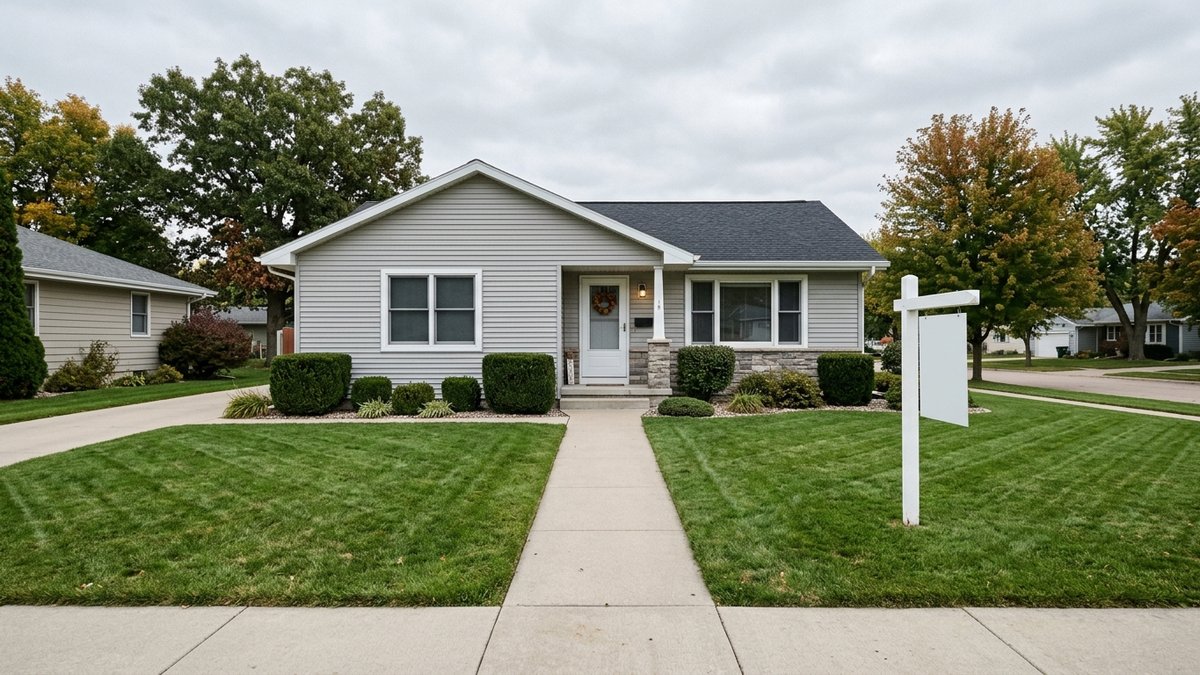
Start by taking the disclosure seriously before the sign goes in the yard. A rushed form can create more friction than a clear answer about an old problem.
Use this basic prep list:
- Walk through the property room by room before completing the form.
- Pull repair invoices, permits, warranties, and insurance paperwork.
- Write down known past issues, even if you believe they were repaired.
- Avoid guessing. If you do not know, do not pretend you do.
- Ask your agent about process questions and your attorney about legal questions.
- Update the disclosure in writing if new facts come up before closing.
This is not about scaring buyers away. In my experience, clear disclosure often helps the right buyer stay engaged because they can understand the home’s condition sooner.
Buyers in Yankton, Crofton, Vermillion, Tabor, and the Lewis and Clark Lake area are making real financial decisions. They want to know what they are buying. You want fewer late surprises, fewer inspection fights, and a cleaner path to closing.
If a known issue affects value, repair cost, insurance, financing, or future use, expect buyers to care about it. The better you explain it, the easier it is for everyone to decide how to handle it.
Frequently Asked Questions
Do all South Dakota home sellers need to complete a disclosure?
Most residential sellers do, according to the South Dakota Real Estate Commission consumer information accessed May 2026. Some statutory exceptions exist, so unusual transfers should be reviewed with an attorney or title professional.
Can a South Dakota buyer cancel after receiving the disclosure?
Yes, the buyer may have a rescission window after receiving the disclosure. Nolo, accessed May 2026, describes the period as 3 days after personal delivery or 6 days after mailing.
What if I do not know about a defect?
South Dakota disclosure is generally based on the seller's actual knowledge. You are not expected to know every hidden defect, but you should not hide, minimize, or misstate problems you do know about.
Should I disclose a problem that was repaired years ago?
Often, the most practical move is to explain the known issue and the repair history. Provide receipts or contractor details when you have them, and ask an attorney if you are unsure about a specific legal question.
Who should help me with disclosure questions in Yankton?
Your REALTOR can help with the listing process, timing, and buyer communication. Questions about the statute, exemptions, or legal responsibility should go to a South Dakota real estate attorney.
Seller Guides
Sell Your Yankton Home
The seller service page for pricing, prep, marketing, and agent help.
Open guideSeller Guides
Yankton Seller Guide
The full education hub for selling in the local market.
Open guideSeller Guides
Home Value Review
Request a local CMA before relying on a broad online estimate.
Open guide
About the Author
Michelle Maloney is the Broker/Owner of Maloney Real Estate in Yankton, South Dakota. She helps buyers and sellers understand the local market, compare their options, and make confident real estate decisions across Yankton and southeast South Dakota.
Sources
South Dakota Legislature, Codified Law 43-4-38, Nolo, Selling a South Dakota Home: What Are My Disclosure Obligations?, South Dakota Real Estate Commission, Consumer Information, USLegal, South Dakota Seller's Disclosure Law, W. Law SD, Supreme Court Clarifies Seller's Disclosure Statement Requirement.
Questions About the Yankton Market?
Ask Michelle's team about pricing, neighborhoods, timing, or your next move. No pitch, no pressure.